Environmental Concerns and Corporate Responsibility
Stopping climate change and environmental degradation requires more than individual actions. The role of corporations in accelerating or mitigating these issues is significant. There are several companies globally known for their detrimental environmental impacts. Here, we delve into five corporations that are frequently criticized for their environmental records.
Context / Why this matters
Consumer choices can influence corporate practices and policies. When consumers actively avoid supporting environmentally destructive companies, it sends a strong message to these corporations. Companies may then reconsider their practices to align with public expectations and reduce their environmental footprint. The following section details these corporations and the actions they have taken that warrant attention.
Main discussion
Sheen
The first company on the list is Sheen, a prominent retailer. Sheen's business model involves producing vast quantities of clothing at low costs. The result is millions of garments piling up in landfills annually. Fast fashion's impact on the environment includes excessive water usage, textile waste, and pollution from manufacturing processes. Actions from consumers that encourage sustainable fashion practices can help.
Coca-Cola
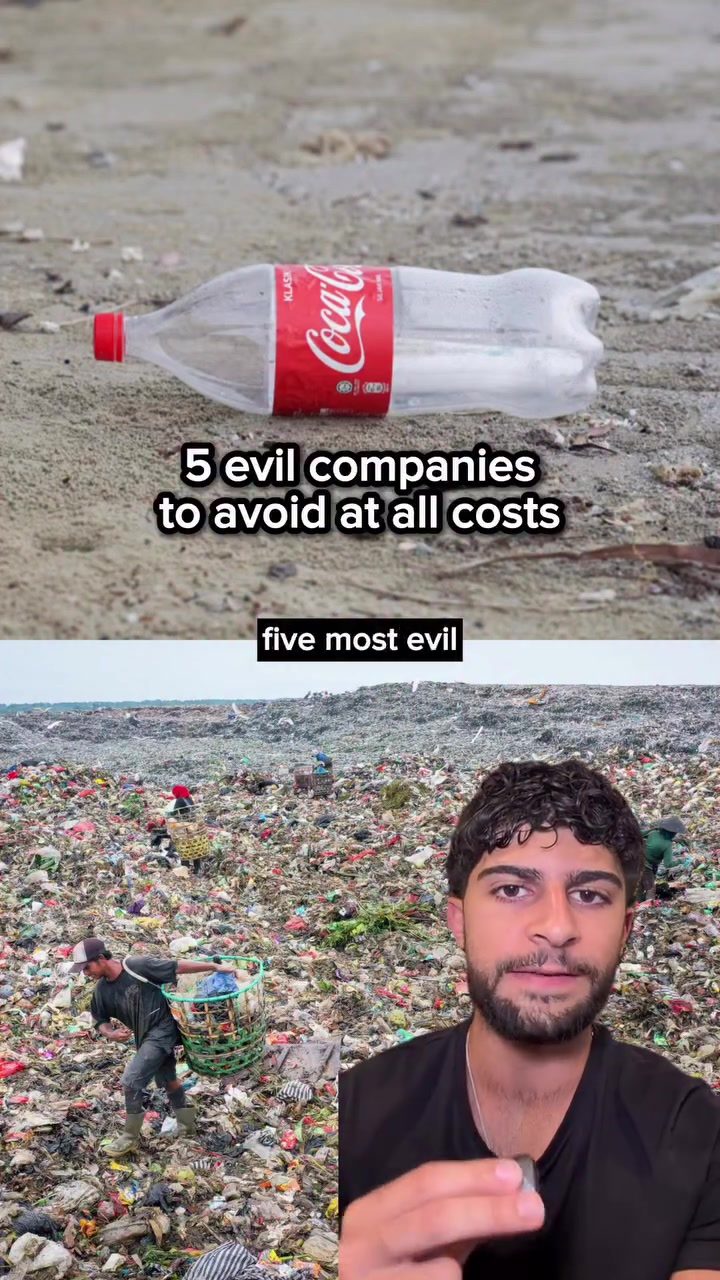
Coca-Cola is one of the world's largest beverage companies and a significant contributor to plastic pollution. Coca-Cola produces over 1 billion single-use plastic bottles annually. These bottles end up in landfills and oceans, causing severe harm to marine life. Additionally, the production of these bottles consumes vast amounts of resources and energy.
Nestle
Nestle, a multinational food and drink company, has faced numerous controversies. Lawsuits for child labor allegations and legal battles over water rights have been significant concerns. Nestle has faced backlash for operating in regions with water scarcity and for its practices in bottling water. Additionally, Nestle's stance on water as a human right has been contentious, with the company arguing that water is a resource for trade rather than a fundamental human necessity.
Tyson Foods
Tyson Foods, a major poultry, beef, and pork producer, has faced criticism for animal abuse and labor practices. The company has faced criminal charges due to animal cruelty incidents and poor working conditions. Additionally, Tyson Foods has invested in lab-grown meat, a move seen as a response to growing consumer concerns about sustainability and animal welfare. However, the company continues to face scrutiny for its environmental impact and labor practices.
Pepsi
Pepsi, another major beverage company, has also been criticized for its environmental impact. Pepsi's production and distribution processes contribute to plastic pollution and resource depletion. The company has faced backlash for its sustainable packaging initiatives, which have been seen as insufficient in addressing the scale of the problem.
These companies have one thing in common: they are all slowly destroying our planet. Their practices, whether in terms of waste generation, resource depletion, or pollution, have significant environmental consequences. Avoiding these companies and supporting more sustainable alternatives can help mitigate these impacts.
Practical Tips
Making informed consumer choices is crucial. Here are some practical tips to help you make a difference:
Research and Choose Sustainable Brands
Do some research and opt for brands that prioritize sustainability. Look for companies that have transparent supply chains, use eco-friendly materials, and have strong environmental policies.
Reduce, Reuse, Recycle
Reduce consumption of single-use items, reuse items when possible, and recycle whenever you can. This helps minimize waste and conserve resources.
Support Local and Small Businesses
Local and small businesses often have a smaller environmental footprint compared to large corporations. Supporting them can help promote more sustainable practices.
Participate in Advocacy
Join advocacy groups or participate in campaigns that push for stricter environmental regulations and corporate responsibility. Your voice can make a difference.
Use Reusable Alternatives
Consider using reusable items like water bottles, bags, and containers. This reduces the demand for single-use plastics and other disposable items.
Important Takeaways
Individual Actions Matter
Every consumer choice, no matter how small, can contribute to larger environmental changes. Avoiding companies with poor environmental records and promoting sustainable practices can significantly impact.
Corporate Responsibility
Companies must take responsibility for their environmental impact. This includes adopting sustainable practices, reducing waste, and ensuring ethical labor conditions.
Consumer Power
Consumers have the power to influence corporate practices. By making informed choices and supporting environmentally responsible companies, you can drive change.
Long-term Impact
Environmental degradation is a long-term issue. Sustained effort and consistent changes in consumer behavior and corporate policies are necessary for significant impact.
Conclusion
Avoiding companies that damage the environment is a step toward a more sustainable future. By choosing sustainable alternatives and supporting ethical practices, consumers can drive change. The responsibility lies with both individuals and corporations to protect the planet for future generations. Every action counts, and every choice matters.
Watch the Reel
Questions readers ask
Which companies are mentioned as having significant environmental impacts in the article?
The article highlights five companies known for their environmental issues: Shell, Coca-Cola, Nestlé, and two others. These companies are criticized for their practices and products that contribute to environmental problems.
What is the primary concern with Coca-Cola's environmental impact?
Coca-Cola is frequently criticized for its extensive use of plastic packaging, which contributes significantly to plastic pollution. Many of their products are sold in single-use plastic bottles, which often end up in landfills and oceans.
How does Nestlé contribute to environmental issues?
Nestlé is known for its involvement in deforestation, particularly in regions like the Amazon rainforest, where their supply chains have been linked to illegal logging and land clearing for agriculture.
Why is it important for consumers to make sustainable choices?
Consumer choices can significantly influence corporate behavior. By choosing to boycott companies with harmful environmental practices, consumers can send a strong message, encouraging these corporations to adopt more sustainable practices and reduce their environmental footprint.
What role do corporations play in environmental degradation?
Corporations play a substantial role in environmental degradation through their production processes, supply chains, and waste management practices. Many large companies contribute to issues like deforestation, pollution, and climate change, and therefore it is important to hold them accountable for their environmental impacts.
Related deep dives
Similar reads based on topic and creator.


Recent articles
Fresh deep dives from the latest Reels we unpacked.




Comments
Be the first to comment.