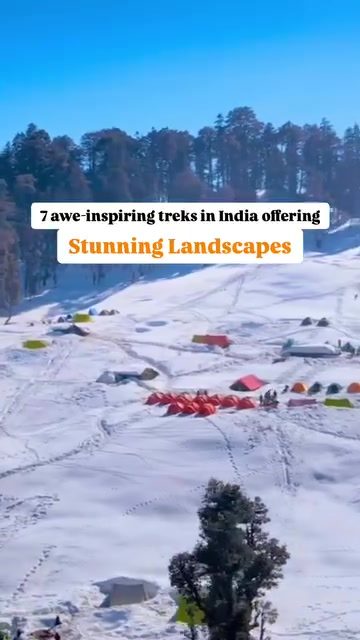
Inspiring Treks in India
India is a treasure trove of natural beauty, offering some of the most awe-inspiring treks in the world. These treks provide stunning landscapes, challenging terrains, and unforgettable experiences. From the rugged mountains of the Himalayas to the lush valleys of the Western Ghats, trekking in India is an adventure that every nature enthusiast should embark upon.
Why This Matters
Trekking in India is more than just a physical challenge; it's a journey through diverse cultures, breathtaking landscapes, and rich history. Whether you're a seasoned trekker or a beginner, India's varied terrains offer something for everyone. The treks not only test your endurance but also provide a sense of accomplishment and tranquility that is hard to find elsewhere. Plus, the camaraderie among trekkers and the warmth of local communities make the experience even more memorable.
Main Discussion
The Allure of High-Altitude Treks
High-altitude treks in India are particularly captivating. The thin air, the breathtaking vistas, and the sense of isolation from the world below make these treks a unique adventure. Some of the most famous high-altitude treks include the Hampta Pass Trek, the Goechala Trek, and the Triund Trek.
Hampta Pass Trek
The Hampta Pass Trek is a stunning journey through the Pir Panjal and Zanskar mountain ranges. At an altitude of 4,270 meters, this trek offers a mix of lush green meadows, snow-capped peaks, and crystal-clear rivers. The trail passes through dense pine forests, alpine meadows, and glacial lakes, providing a variety of landscapes to enjoy. The highlight of this trek is the Hampta Pass, a narrow ridge that offers panoramic views of the surrounding mountains.
Highlights:
- Altitude: 4,270 meters
- Terrain: Rugged, mountainous
- Landmarks: Hampta Pass, glaciers, alpine meadows, and rivers
Triund Trek
The Triund Trek is a popular choice for trekkers looking for a relatively easy but rewarding experience. At an altitude of 2,850 meters, this trek offers stunning views of the Dhauladhar range and the Kangra Valley. The trek starts from the picturesque town of McLeod Ganj and takes you through dense forests and rocky terrains. The highlight of this trek is the view from the top, where you can see a sea of clouds below you, creating a surreal landscape.
Highlights:
- Altitude: 2,850 meters
- Terrain: Rocky, with dense forests
- Landmarks: Views of the Dhauladhar range, Kangra Valley, and clouds from a high point
Goechala Trek
The Goechala Trek is one of the most challenging and rewarding treks in India. At an altitude of 4,700 meters, this trek takes you through the heart of the Himalayas, offering breathtaking views of some of the highest peaks in the world, including Mount Kanchenjunga. The trek is known for its challenging terrain, which includes steep climbs, glacial lakes, and high-altitude campsites.
Highlights:
- Altitude: 4,700 meters
- Terrain: Challenging, with snow-capped mountains and clouds
- Landmarks: Views of Mount Kanchenjunga, glacial lakes, and high-altitude campsites
The Beauty of the Landscapes
One of the most striking features of trekking in India is the diverse and stunning landscapes. From the snow-capped peaks of the Himalayas to the lush greenery of the Western Ghats, each trek offers a unique visual spectacle. The landscapes are not just scenic; they also tell a story of the region's geological and cultural history.
The Himalayan Region
The Himalayan region is home to some of the most breathtaking landscapes in the world. The snow-capped peaks, glacial lakes, and alpine meadows create a surreal atmosphere that is hard to match. The region is also home to a variety of flora and fauna, making it a paradise for nature lovers.
Key Features:
- Snow-capped Peaks: Iconic mountains like Mount Everest, Kanchenjunga, and Nanda Devi.
- Glacial Lakes: Crystal-clear lakes formed by melting glaciers.
- Alpine Meadows: Lush green meadows dotted with wildflowers.
The Western Ghats
The Western Ghats, a UNESCO World Heritage Site, offer a completely different trekking experience. The dense forests, waterfalls, and lush valleys provide a refreshing contrast to the rugged terrain of the Himalayas. The region is also known for its biodiversity, making it a hotspot for wildlife enthusiasts.
Key Features:
- Dense Forests: Green canopies teeming with wildlife.
- Waterfalls: Majestic waterfalls cascading down steep cliffs.
- Lush Valleys: Green valleys with a variety of flora and fauna.
- Wildlife: Home to a variety of rare species.
The Cultural Experience
Trekking in India is not just about the physical challenge and natural beauty; it's also about the cultural experience. The routes pass through villages and towns where you can interact with the locals, learn about their traditions, and taste their cuisine. The warmth and hospitality of the local communities make the trek even more memorable.
Interacting with Locals
One of the best ways to experience the local culture is by interacting with the villagers and understanding their way of life. Many treks pass through remote villages where you can stay in local homestays, try traditional food, and participate in local festivals. This immersive experience adds a unique dimension to your trek.
Highlight:
- Homestays: Staying with local families to experience their lifestyle.
- Local Cuisine: Tasting traditional dishes and understanding their culinary heritage.
Festivals and Celebrations
India is a land of festivals, and many treks coincide with local celebrations. Participating in these festivals can be a highlight of your trek. From the Holi festival in the Himalayas to the Onam festival in Kerala, these celebrations offer a glimpse into India's rich cultural tapestry.
Highlight:
- Holi: The festival of colors celebrated with great enthusiasm in the Himalayan region.
- Onam: Kerala's harvest festival celebrated with traditional dances, feasts, and boat races.
Practical Tips
Preparing for a Trek
Proper preparation is key to a successful and enjoyable trek. Here are some practical tips to help you get ready for your adventure.
Gear and Equipment
Investing in the right gear and equipment is crucial. Some essentials include:
- Trekking Shoes: Comfortable and sturdy shoes with good grip.
- Clothing: Layered clothing suitable for varying temperatures.
- Backpack: A durable backpack with a comfortable fit.
- Tent and Sleeping Bag: For multi-day treks, a good quality tent and sleeping bag are essential.
- Water Bottle and Purifier: Stay hydrated and ensure the water is safe to drink.
- First Aid Kit: A basic first aid kit with essentials like bandages, antiseptic, and pain relievers.
Physical Fitness
Building your physical fitness is important, especially for high-altitude treks. Regular exercise, including cardiovascular workouts and strength training, can help you prepare for the challenges of trekking. Additionally, acclimatizing to the altitude by practicing at lower elevations can help prevent altitude sickness.
Altitude Sickness
Altitude sickness is a common issue for trekkers, especially at high altitudes. Symptoms can include headache, nausea, and shortness of breath. To prevent altitude sickness, ascend gradually, stay hydrated, and avoid overexertion.
Staying Safe
Safety should always be a priority when trekking. Here are some tips to ensure a safe and enjoyable experience:
- Hire a Guide: Experienced guides can provide valuable insights and ensure you stay on the right path.
- Stay on Marked Trails: Avoid straying from marked trails to prevent getting lost.
- Follow Local Guidelines: Adhere to local regulations and guidelines for trekking.
- Carry a Map and Compass: Even if you have a guide, having a map and compass can be helpful.
Important Takeaways
Trekking in India is a unique and rewarding experience. From the stunning landscapes to the rich cultural heritage, each trek offers a different adventure. Whether you're a seasoned trekker or a beginner, India's diverse terrains and welcoming communities make it a must-visit destination for adventure seekers.
Conclusion
India's inspiring treks offer more than just a physical challenge; they provide a journey through breathtaking landscapes, rich cultures, and unforgettable experiences. Whether it's the rugged terrain of the Himalayas or the lush valleys of the Western Ghats, trekking in India is an adventure that will leave you with memories to last a lifetime. So, pack your bags, lace up your shoes, and embark on an unforgettable journey through the stunning landscapes of India.
Watch the Reel
Questions readers ask
What are the top three most challenging treks in India?
Three of the most challenging treks in India include the Hampta Pass Trek, the Roopkund Trek, and the Chandra Taal Trek. These treks require a good level of physical fitness and endurance due to their high altitudes, steep ascents, and unpredictable weather conditions.
Are there any treks in India suitable for beginners?
Yes, there are several treks in India suitable for beginners. The Triund Trek, the Kheerganga Trek, and the Brahmatal Trek are among the most popular. These routes are less demanding but still offer incredible landscapes and experiences.
What is the best time to go trekking in India?
The best time for trekking in India is generally from March to May, and from September to November. These periods offer pleasant weather and clear skies. The monsoon season (June to August) should be avoided due to heavy rainfall and landslides, while winter (December to February) can be harsh and cold, especially in the Himalayas.
What are some unique cultural experiences encountered during treks in India?
Trekking in India often involves passing through remote villages and interacting with local communities. You might encounter unique cultural experiences such as traditional festivals, local cuisine, and ancient temples. Engaging with locals can provide deep insights into their way of life and enrich your trekking experience.
What kind of landscapes can I expect to see during treks in India?
India's treks offer a diverse range of landscapes, from the snow-capped peaks of the Himalayas to the lush valleys of the Western Ghats. Expect to see dense forests, serene lakes, and alpine meadows. Each trek presents a unique combination of natural wonders, making every journey distinct and memorable.
What essential items should I pack for a trek in India?
For a trek in India, it's essential to pack layers of warm clothing, a waterproof jacket, sturdy trekking shoes, a first-aid kit, and a reusable water bottle. Also, bring high-energy snacks, sun protection (hat, sunscreen, sunglasses), and a headlamp. Depending on the trek, you may also need a sleeping bag and a tent.
Can I go trekking in India as a solo traveler?
Yes, many treks in India are suitable for solo travelers. However, it's important to choose a well-marked route and inform someone of your plans. Some popular solo treks include the Triund Trek and the Kheerganga Trek. If you're new to trekking or unsure about a route, consider joining a guided group for added safety and support.
Related deep dives
Similar reads based on topic and creator.

Recent articles
Fresh deep dives from the latest Reels we unpacked.



Comments
Be the first to comment.