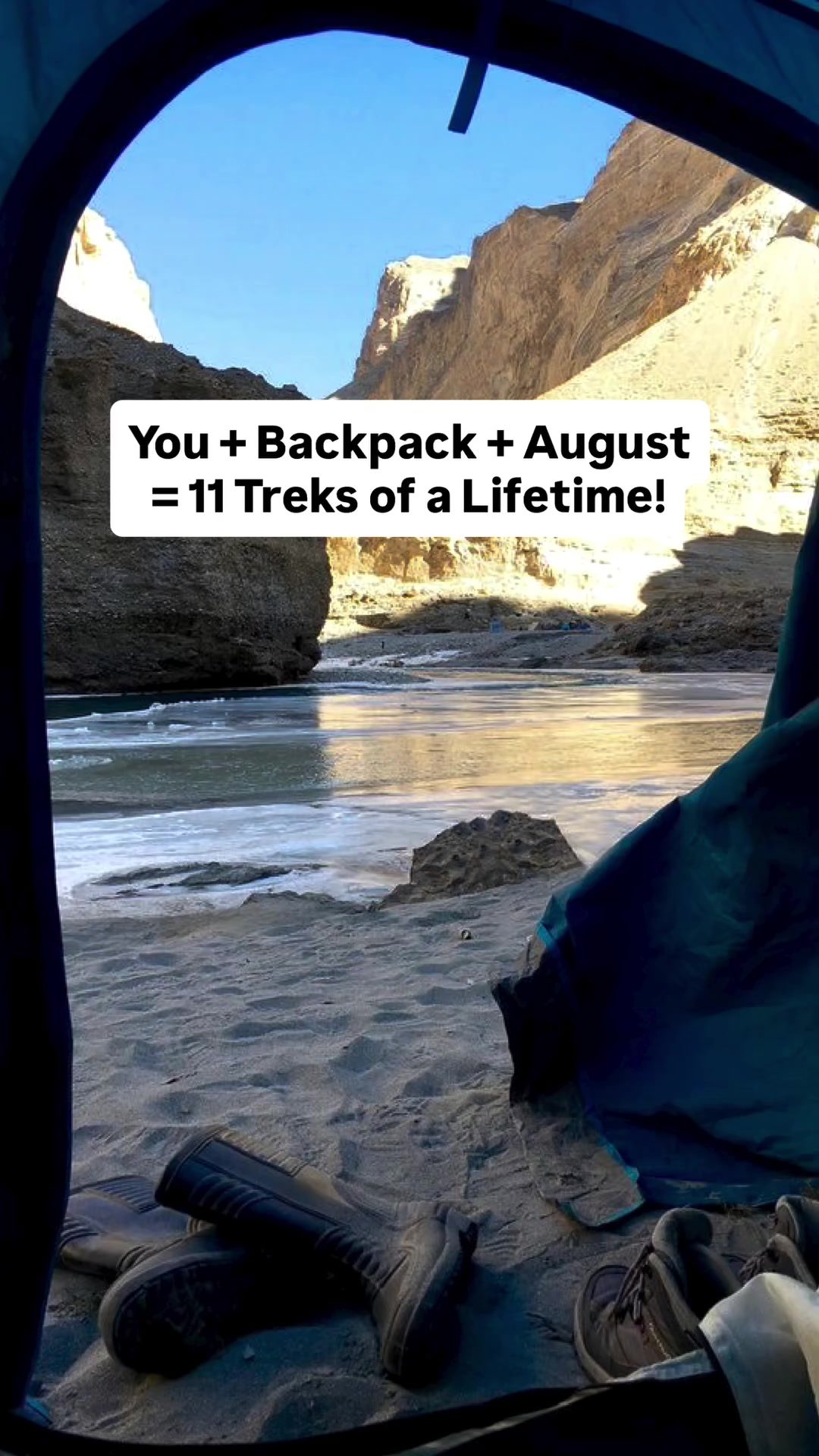
Trekking and Backpacking in India
India, with its diverse landscapes, offers a plethora of trekking and backpacking opportunities. Trekking and backpacking in India is not just about the destination; it's about the journey through its rugged terrains, lush forests, and breathtaking mountain passes. This guide will help you understand what makes trekking in India a unique experience and highlight some of the most scenic and popular trekking routes.
Context / Why this matters
For adventurers, trekking and backpacking in India offer a blend of cultural richness, natural beauty, and a sense of accomplishment. India's varied topography includes some of the world's highest mountain ranges, dense forests, and vast rivers, making it a paradise for outdoor enthusiasts. For backpackers, this means an experience filled with diverse landscapes, local experiences, and the thrill of exploring new territories.
Main discussion
Scenic Trekking Destinations
Pin Bhaba Pass
Pin Bhaba Pass is one of the most dramatic crossover treks in India. Located in the Himalayas, this pass offers stunning views of snow-capped peaks, alpine meadows, and glaciers. The trek takes you through the Kinnaur and Spiti regions, known for their contrasting landscapes and vibrant cultures.
The Pin Bhaba Pass trek is a moderate to difficult level trek, suitable for those with some trekking experience. The journey typically starts from the village of Bhaba in Kinnaur and ends at the village of Bhaba in Spiti, offering a unique opportunity to traverse two culturally distinct regions. The trek usually spans 10 to 12 days, covering a distance of approximately 60-70 kilometers.
The best time to undertake the Pin Bhaba Pass trek is between June and September, when the weather is relatively clear and the passes are accessible. However, be prepared for unpredictable weather conditions and always carry essential gear, including a sturdy backpack, warm clothing, and trekking poles.
Chandrakhani Pass
Chandrakhani Pass is located in the Kullu region of Himachal Pradesh and is considered one of the easiest pass climbs in the region. The trek offers panoramic views of the surrounding mountains, including the famous Parvati Valley.
The Chandrakhani Pass trek is relatively shorter and less strenuous compared to other treks in the region, making it ideal for beginners and families. The trail typically starts from the village of Naggar and takes you through dense forests, alpine meadows, and quaint villages. The trek usually spans 4 to 5 days, covering a distance of approximately 20-25 kilometers.
Trek organizers suggest that the best time to undertake the Chandrakhani Pass trek is between May and June or September and October. During these months, the weather is pleasant, and the landscapes are lush and vibrant. However, it's essential to carry a reliable backpack that can handle the terrain and changing weather conditions, as well as a good pair of hiking boots.
Trekking and Backpacking Essentials
Trekking and backpacking in India require careful planning and preparation. Here are some essential tips to help you make the most of your adventure:
- Choosing the Right Backpack: A good backpack is crucial for any trekking or backpacking trip. Opt for a backpack with a comfortable fit, plenty of storage space, and durable construction. Look for features like adjustable straps, multiple compartments, and water-resistant material.
- Weather-Appropriate Clothing: The weather in the Himalayas can be unpredictable, so it's essential to pack layers of clothing. Carry thermal wear, fleece jackets, waterproof jackets, and insulated pants. Don't forget to pack a pair of gloves, a hat, and a pair of sunglasses with UV protection.
- Footwear: Invest in a good pair of trekking shoes or boots with proper ankle support and grip. Ensure they are broken in before your trek to avoid blisters and discomfort.
- Navigation Tools: Carry a map and a compass, and consider using a GPS device or a smartphone with offline maps. Familiarize yourself with the route before you start your trek.
- Food and Water: Pack high-energy snacks, energy bars, and plenty of water. Depending on the duration of your trek, you may need to carry a portable stove and fuel for cooking.
- First Aid Kit: A basic first aid kit should include bandages, antiseptic ointment, pain relievers, and any personal medication. It's also a good idea to carry a whistle or a signal mirror in case of emergencies.
Experiencing Multiple Treks
One of the unique aspects of trekking in India is the opportunity to experience multiple treks in a single region. This allows you to explore diverse landscapes and gain a deeper understanding of the local culture and traditions. For example, you can combine the Pin Bhaba Pass trek with other treks in the Kinnaur and Spiti regions, such as the Kinner Kailash Trek or the Kais Pass Trek.
Similarly, the Chandrakhani Pass trek can be combined with other treks in the Kullu region, such as the Malana Trek or the Beas Kund Trek. This approach not only enriches your trekking experience but also allows you to make the most of your time and resources.
Practical tips
Planning Your Trek
- Research and Choose the Right Trek: Depending on your fitness level and experience, choose a trek that suits your abilities. Research the route, weather conditions, and necessary permits.
- Book with a Reputable Company: If you're new to trekking, consider booking with a reputable trekking company. They can provide experienced guides, arrange logistics, and ensure your safety.
- Stay Hydrated and Nourished: Carry plenty of water and high-energy snacks to keep your energy levels up. Stay hydrated and eat regularly, even if you don't feel hungry.
- Acclimatize Properly: Give your body time to adjust to the altitude. If you're trekking above 3,000 meters, consider spending an extra day at lower altitudes to allow your body to acclimate.
- Respect Local Customs and Environments: Follow the principles of Leave No Trace. Pack out all your trash, respect local customs, and minimize your impact on the environment.
- Stay Connected: Carry a satellite phone or a device with offline maps in case of emergencies. Let someone know your route and expected return date.
Essential Gear for Trekking
A well-equipped backpack is essential to ensure you have everything you need. Here is a checklist of essential gear for your trekking and backpacking adventure:
- Backpack: A sturdy, comfortable backpack with a capacity of 50-65 liters.
- Sleeping Bag: A four-season sleeping bag rated for temperatures below zero.
- Tent: A lightweight, durable tent suitable for the weather conditions.
- Clothing: Layered clothing including thermal wear, fleece, waterproof jacket, and pants.
- Footwear: Sturdy trekking boots with good grip and ankle support.
- Headgear: Warm hat and gloves.
- Navigation Tools: Map, compass, and GPS device or smartphone with offline maps.
- Food and Water: Energy bars, high-energy snacks, and a portable stove with fuel.
- First Aid Kit: Bandages, antiseptic ointment, pain relievers, and any personal medication.
- Other Essentials: Headlamp, whistle, water purification tablets, and a multi-tool.
Important takeaways
Trekking and backpacking in India offer a unique blend of adventure, cultural immersion, and natural beauty. The diverse landscapes, from snow-capped peaks to lush valleys, provide a rich experience for outdoor enthusiasts. Here are some key takeaways:
- Diverse Landscapes: India's varied topography offers a range of trekking and backpacking opportunities, from easy passes to challenging high-altitude treks.
- Cultural Immersion: Trekking in India allows you to experience local cultures, traditions, and way of life, enriching your adventure.
- Essential Gear: Proper gear, including a reliable backpack, insulated clothing, and sturdy footwear, is crucial for a safe and enjoyable trek.
- Planning and Preparation: Thorough research, proper acclimatization, and respect for the environment ensure a successful and fulfilling trek.
Conclusion
Trekking and backpacking in India are experiences that will leave you with unforgettable memories. Whether you're a seasoned trekker or a beginner, the diverse landscapes and rich cultural heritage offer something for everyone. From the dramatic Pin Bhaba Pass to the scenic Chandrakhani Pass, the opportunities for adventure are vast. With the right preparation and gear, your journey through India's breathtaking terrains will be an enriching and rewarding experience.
Watch the Reel
Questions readers ask
What are the best times of year for trekking in India?
The best times for trekking in India are typically between March and June, when the weather is pleasant and the skies are clear. Another good window is September to December, when the monsoon rains have ceased and the landscapes are lush. However, specific treks may have different optimal times based on snow conditions and accessibility.
Which treks in India are suitable for beginners?
For beginners, treks like the Chandrakhani Pass trek in Himachal Pradesh are ideal. This trek offers moderate difficulty levels and provides stunning views of the Himalayas. Other beginner-friendly treks include the Har ki Dun trek and the Triund trek in the Himalayas.
What makes the Pin Bhaba Pass trek unique?
The Pin Bhaba Pass trek is unique due to its remote location and the stunning contrast between the Pin Valley and the Bhaba Valley. It offers a sense of isolation and tranquility, with challenging terrain and breathtaking views of the surrounding mountains, making it a favorite among experienced trekkers.
What are some essential items to pack for trekking in India?
Essential items for trekking in India include sturdy hiking boots, warm clothing, a good quality backpack, a waterproof jacket, a first-aid kit, and a reliable map or GPS device. Additionally, carrying a reusable water bottle, high-energy snacks, and a hat for sun protection is recommended.
Are there treks in India that offer cultural experiences?
Yes, many treks in India offer rich cultural experiences. For instance, the Great Lakes Trek in Uttarakhand takes you through villages where you can interact with locals and learn about their way of life. Similarly, the Pin Bhaba Pass trek passes through areas inhabited by unique communities, providing insights into their traditions and customs.
What are some of the most scenic treks in India?
Some of the most scenic treks in India include the Roopkund Trek, known for its mysterious skeletal lake, and the Kuari Pass Trek, which offers panoramic views of some of the highest peaks in the Himalayas. The Chadar Trek, often referred to as the 'Moonland Trail,' is another stunning trek, taking you through frozen rivers and ice formations.
How can I ensure safety while trekking in India?
To ensure safety while trekking in India, always hire an experienced guide or join a reputable trekking group. Carry a first-aid kit and know basic first-aid procedures. Stay hydrated and listen to your body to avoid altitude sickness. Additionally, inform someone about your trekking plans and expected return time, and always check the weather forecast before starting your trek.
Related deep dives
Similar reads based on topic and creator.


Recent articles
Fresh deep dives from the latest Reels we unpacked.



Comments
Be the first to comment.