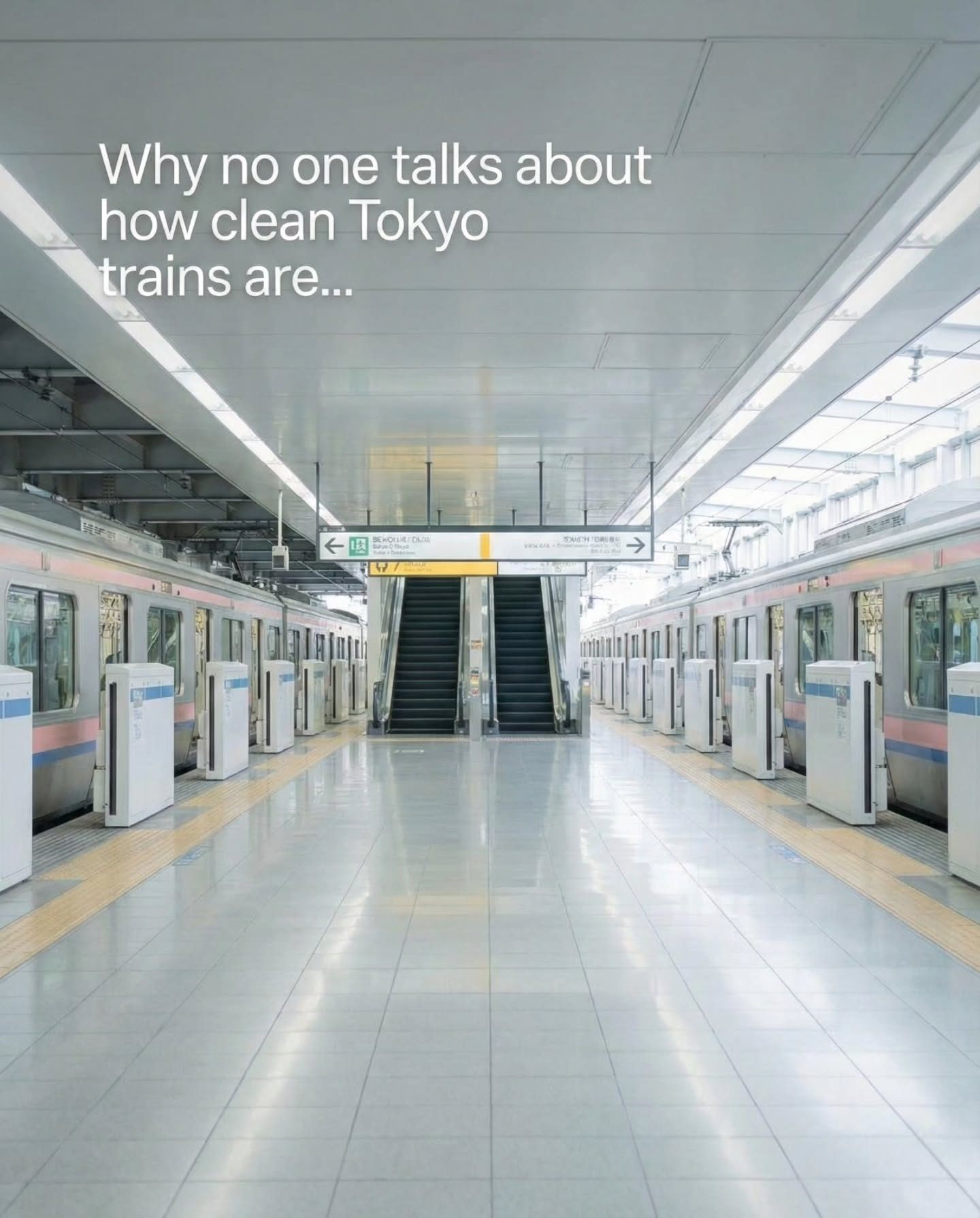
Cleanliness in Tokyo Trains
Tokyo's public transportation system is renowned for its efficiency and punctuality, but one aspect that often goes unnoticed is the exceptional cleanliness of its trains. Even during the peak rush hour, when trains are packed with commuters, the carriages remain remarkably spotless. This level of cleanliness is not an accident; it's a result of a collective effort by both the train operators and the passengers.
Context: Why This Matters
The cleanliness of public transportation is a critical factor in the overall quality of life in a city. It reflects not only the city's standards of hygiene but also its respect for the environment and its willingness to prioritize public health. Tokyo's approach to maintaining clean trains offers valuable insights that can be applied to other cities around the world.
Main Discussion
The Role of the Community
One of the key reasons behind the cleanliness of Tokyo's trains is the sense of community and responsibility that the city's residents share. People in Tokyo are known for taking their trash home with them. This practice not only keeps the trains clean but also contributes to a larger cultural attitude of environmental stewardship. When passengers take their trash with them, they reduce the burden on cleaning staff and minimize the risk of litter and waste buildup.
Maintenance and Technology
While the community's role is crucial, the maintenance and technology used by the train operators also play a significant part. Trains are regularly cleaned, and modern technologies are employed to ensure that they remain in top condition. The use of advanced cleaning solutions and frequent maintenance checks helps in keeping the trains spotless, even during the busiest times of the day. This level of maintenance is a testament to the city's commitment to providing a clean and comfortable environment for its citizens.
Cleanliness in Rush Hour
Rush hour is a challenging time for any public transportation system, but Tokyo trains handle it with remarkable efficiency. The cleanliness extends to every aspect of the train ride, from the seats and floors to the handrails and windows. Passengers are often seen waiting patiently for their turn to clean up after themselves, without any prompting from the train staff. This self-discipline and civic responsibility are part of the broader culture of respect and cleanliness that permeates Tokyo.
The View from Abroad
Looking at Tokyo's public transit system raises a question for other cities: Why can't this level of cleanliness and respect be achieved elsewhere? The answer lies in the combination of community responsibility and efficient management. While it might be challenging to replicate Tokyo's practices in other cities, there are certainly lessons to be learned. For instance, promoting a culture of self-responsibility, where passengers feel accountable for their own trash, can lead to significant improvements. Additionally, investing in better maintenance and using advanced cleaning technologies can enhance the overall cleanliness of public transportation systems.
Practical Tips
If you're planning to visit Tokyo or live in a city with public transit, here are a few practical tips to contribute to a cleaner environment:
- Take Your Trash Home: Simple but effective, taking your trash with you helps keep public spaces clean.
- Be Mindful of Others: Respect the space and comfort of others by not littering or leaving behind waste.
- Follow Local Customs: Adhering to local customs and practices, such as queueing, using designated areas for litter, and maintaining cleanliness, can help maintain a clean environment.
- Use Available Facilities: Make use of the cleaning facilities and waste bins provided in public spaces.
Important Takeaways
- Community Responsibility: The collective effort of passengers in keeping the trains clean is a significant factor in maintaining Tokyo's spotless public transportation.
- Efficient Maintenance: Regular and efficient maintenance, along with the use of advanced cleaning technologies, ensures that the trains remain clean.
- Cultural Norms: Tokyo's cleanliness is deeply ingrained in its culture, where respect for public spaces and personal responsibility are highly valued.
- Global Lessons: Other cities can learn from Tokyo's practices by promoting similar levels of responsibility and investing in effective maintenance systems.
Conclusion
The cleanliness of Tokyo's trains is a shining example of what can be achieved with a combination of community responsibility and efficient management. While replicating this level of cleanliness in other cities might be challenging, the principles behind it provide valuable insights. By promoting a culture of self-responsibility and investing in better maintenance, other cities can also strive to achieve similar levels of cleanliness in their public transportation systems.
Watch the Reel
Questions readers ask
What are some key differences between Tokyo's trains and trains in other major cities during rush hour?
In Tokyo, even during rush hour, trains are remarkably clean while in other cities, trains may become cluttered and dirty with commuters. The collective effort by both operators and passengers towards maintaining cleanliness and community responsibility helps to contribute to this. The maintenance of Tokyo’s trains is also important, with regular cleaning and inspection.
What role do passengers play in maintaining the cleanliness of Tokyo's trains?
Passengers in Tokyo actively contribute to keeping the trains clean. They are responsible for disposing of their trash in the proper bins, and adhering to etiquette rules. Passengers are aware that cleanliness is a shared responsibility, not just the job of train operators. This collective effort is critical in maintaining a clean train environment.
Who is responsible for the cleanliness of the trains during busy periods?
The cleanliness is a result of a collaborative effort. Train operators work diligently to maintain the trains, ensuring that they are consistently clean and well-maintained. Passengers also play a significant role by following train etiquette, disposing of their trash correctly, and respecting the clean environment.
What are some of the key aspects of Tokyo's train etiquette?
Tokyo's train etiquette includes simple but crucial practices. Passengers are expected to stand in line for entering and exiting the trains, to not eat or drink on the train, and to keep noise to a minimum. Additionally, they are expected to give up their seats for those who need them more, such as the elderly, pregnant, or disabled. These practices help maintain a clean and orderly environment.
How does Tokyo's public transportation system prioritize public health?
Tokyo's public transportation system prioritizes public health through meticulous maintenance and cleaning of the trains. Regular disinfection and cleaning procedures are followed, especially in high-contact areas. Additionally, the system encourages a clean environment by promoting rules and etiquette that passengers follow, such as proper disposal of trash and wearing masks.
Related deep dives
Similar reads based on topic and creator.




Recent articles
Fresh deep dives from the latest Reels we unpacked.




Comments
Be the first to comment.