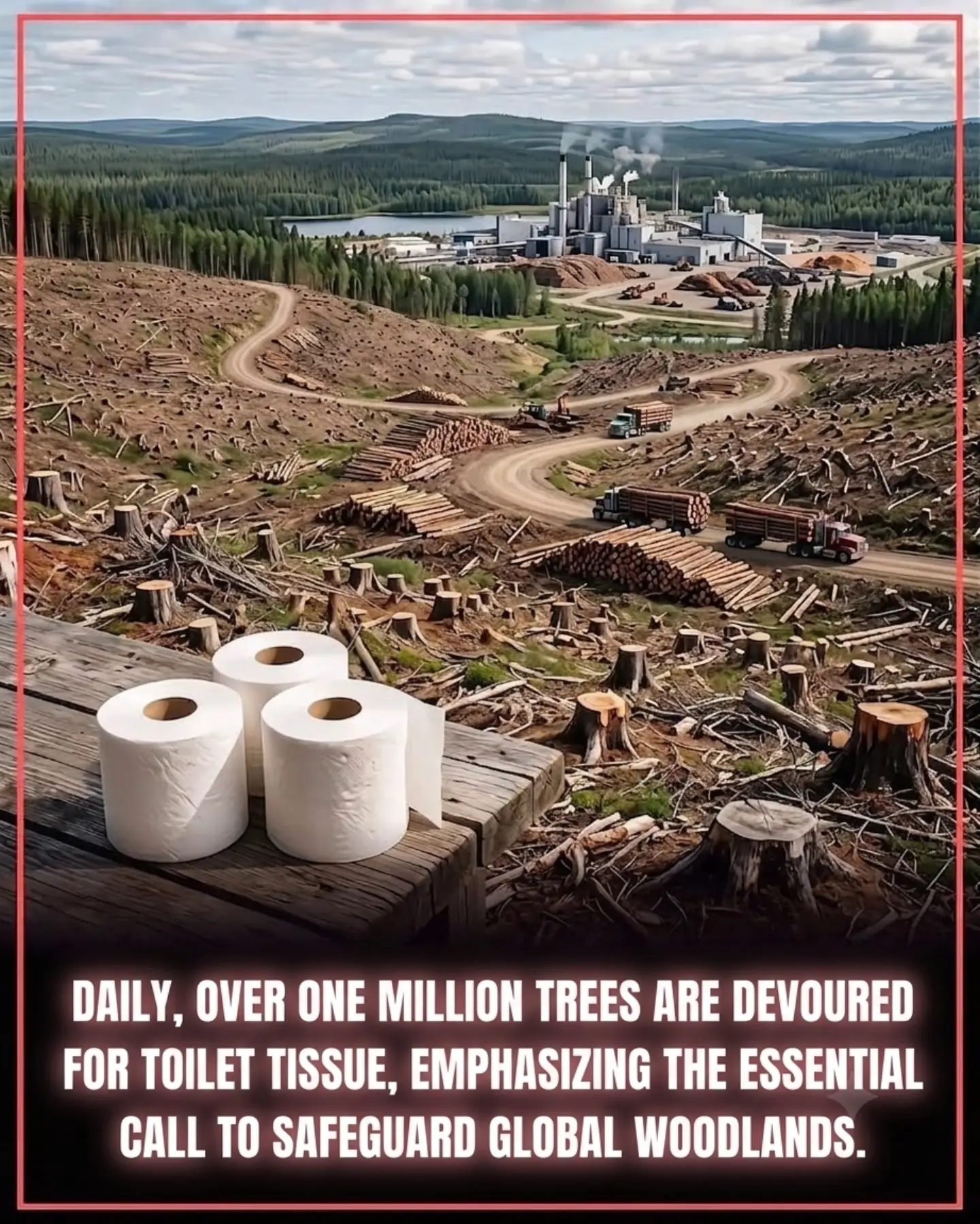
Deforestation and Toilet Paper
Toilet tissue is a staple in our daily lives, but its production has a significant environmental footprint. Global demand for toilet paper consumes over a million trees daily. This staggering figure highlights the urgent need to address deforestation driven by the toilet tissue industry.
Why This Matters
The environmental impact of toilet paper production is far-reaching. A significant portion of the wood used for toilet tissue comes from virgin forests, which are crucial ecosystems and carbon sinks. These forests play a vital role in maintaining biodiversity, regulating climate, and supporting local communities. The loss of these forests due to deforestation has severe consequences, including habitat destruction, soil erosion, and increased greenhouse gas emissions.
The Environmental Impact of Toilet Paper Production
Deforestation and Habitat Loss
The production of toilet tissue involves the harvesting of trees, often from virgin forests. These forests are home to a myriad of plant and animal species, many of which are endangered. Deforestation for toilet paper production not only displaces these species but also destroys their habitats, leading to a decline in biodiversity. The loss of these ecosystems can have cascading effects on the environment, including disruption of food chains and the loss of natural resources.
Carbon Emissions and Climate Change
Trees absorb carbon dioxide from the atmosphere, making them essential for mitigating climate change. When these trees are cut down for toilet paper production, the carbon stored in them is released back into the atmosphere, contributing to global warming. Additionally, the processes involved in converting wood into toilet tissue, such as pulping and bleaching, emit further greenhouse gases, exacerbating the problem.
Water Pollution
The production of toilet paper also involves significant water usage and can lead to water pollution. The chemicals used in the pulping and bleaching processes can contaminate water sources, affecting aquatic ecosystems and human health. This pollution can also impact downstream communities that rely on these water sources for drinking, irrigation, and other purposes.
Alternatives to Traditional Toilet Tissue
Fortunately, there are alternatives to traditional toilet paper that can help reduce deforestation and its associated environmental impacts.
Recycled Paper
Switching to recycled paper is one of the simplest ways to make a difference. Recycled toilet paper is made from post-consumer waste, reducing the demand for virgin wood. This not only saves trees but also conserves energy and water, and reduces pollution and greenhouse gas emissions. Many brands offer high-quality recycled toilet paper that is soft, durable, and gentle on the environment. Furthermore, recycled paper products are often more affordable than their virgin counterparts, making them a cost-effective choice.
Bamboo Toilet Paper
Bamboo is a fast-growing, renewable resource that requires less water and land than trees. Bamboo toilet paper is a sustainable alternative to traditional toilet tissue. It is also soft, strong, and gentle on the skin, making it a popular choice for eco-conscious consumers. Bamboo grows quickly and can be harvested without causing significant environmental damage, making it a more sustainable option than traditional tree-based toilet paper.
Biodegradable and Compostable Options
Biodegradable and compostable toilet paper options are also available. These products are designed to break down quickly and safely in the environment, reducing waste and minimizing environmental impact. Biodegradable and compostable toilet paper is an excellent choice for those looking to reduce their environmental footprint and contribute to a more sustainable future.
Innovative Solutions
Innovative solutions are emerging in the toilet paper industry, such as the use of alternative fibers like sugarcane and hemp. These fibers are sustainable and can be used to produce high-quality, eco-friendly toilet paper. Additionally, advancements in technology are enabling the production of toilet paper from agricultural waste, further reducing the demand for virgin wood and contributing to a more circular economy.
Practical Tips
Here are some practical tips for making more sustainable choices when it comes to toilet paper:
- Look for certifications such as the Forest Stewardship Council (FSC) label, which ensures that the product comes from responsibly managed forests.
- Choose toilet paper made from recycled materials or bamboo.
- Opt for biodegradable and compostable options when possible.
- Consider using a bidet or family cloth as an alternative to traditional toilet paper.
Important Takeaways
The environmental impact of toilet paper production is significant, with over a million trees being consumed daily. This has severe consequences for deforestation, habitat loss, carbon emissions, water pollution, and climate change. However, there are sustainable alternatives available, such as recycled paper, bamboo, and biodegradable options. By making informed choices, we can collectively reduce the environmental impact of toilet paper and contribute to a more sustainable future.
Conclusion
The demand for toilet tissue has a substantial impact on global deforestation. By understanding the environmental consequences and exploring sustainable alternatives, we can make choices that protect our forests and mitigate climate change. Small changes, such as switching to recycled or bamboo toilet paper, can have a significant impact when adopted on a large scale. Let's strive for a more sustainable future by making conscious choices in our daily lives.
Watch the Reel
Questions readers ask
How many trees are cut down daily for toilet paper production?
Approximately one million trees are cut down daily to meet the global demand for toilet paper. This highlights the significant role toilet tissue production plays in deforestation.
What types of forests are most affected by toilet paper deforestation?
Virgin forests, which are untouched and pristine ecosystems, are the most affected. These forests are crucial for biodiversity, climate regulation, and supporting local communities.
How does toilet paper production contribute to climate change?
Toilet paper production contributes to climate change by depleting forests that act as carbon sinks. Deforestation releases stored carbon into the atmosphere and reduces the planet's ability to absorb greenhouse gases.
What are some sustainable alternatives to traditional toilet paper?
Sustainable alternatives include recycled toilet paper, bamboo toilet paper, and even bidets. These options help reduce the demand for virgin wood pulp and lower the environmental impact of daily paper usage.
What can individuals do to protect forests from deforestation caused by toilet paper production?
Individuals can choose sustainable toilet paper products, reduce overall toilet paper usage, and advocate for better forest management practices. These actions help decrease the demand for virgin wood pulp and support global forest conservation efforts.
What are the consequences of deforestation driven by toilet tissue production?
Deforestation driven by toilet tissue production leads to habitat destruction, soil erosion, and increased greenhouse gas emissions. This results in a loss of biodiversity, disrupted ecosystems, and accelerated climate change.
How does the environmental impact of toilet paper production affect local communities?
The environmental impact of toilet paper production can disrupt local communities that rely on forests for their livelihoods and well-being. Deforestation can lead to the loss of resources, displacement of communities, and reduced access to clean water.
Related deep dives
Similar reads based on topic and creator.




Recent articles
Fresh deep dives from the latest Reels we unpacked.




Comments
Be the first to comment.