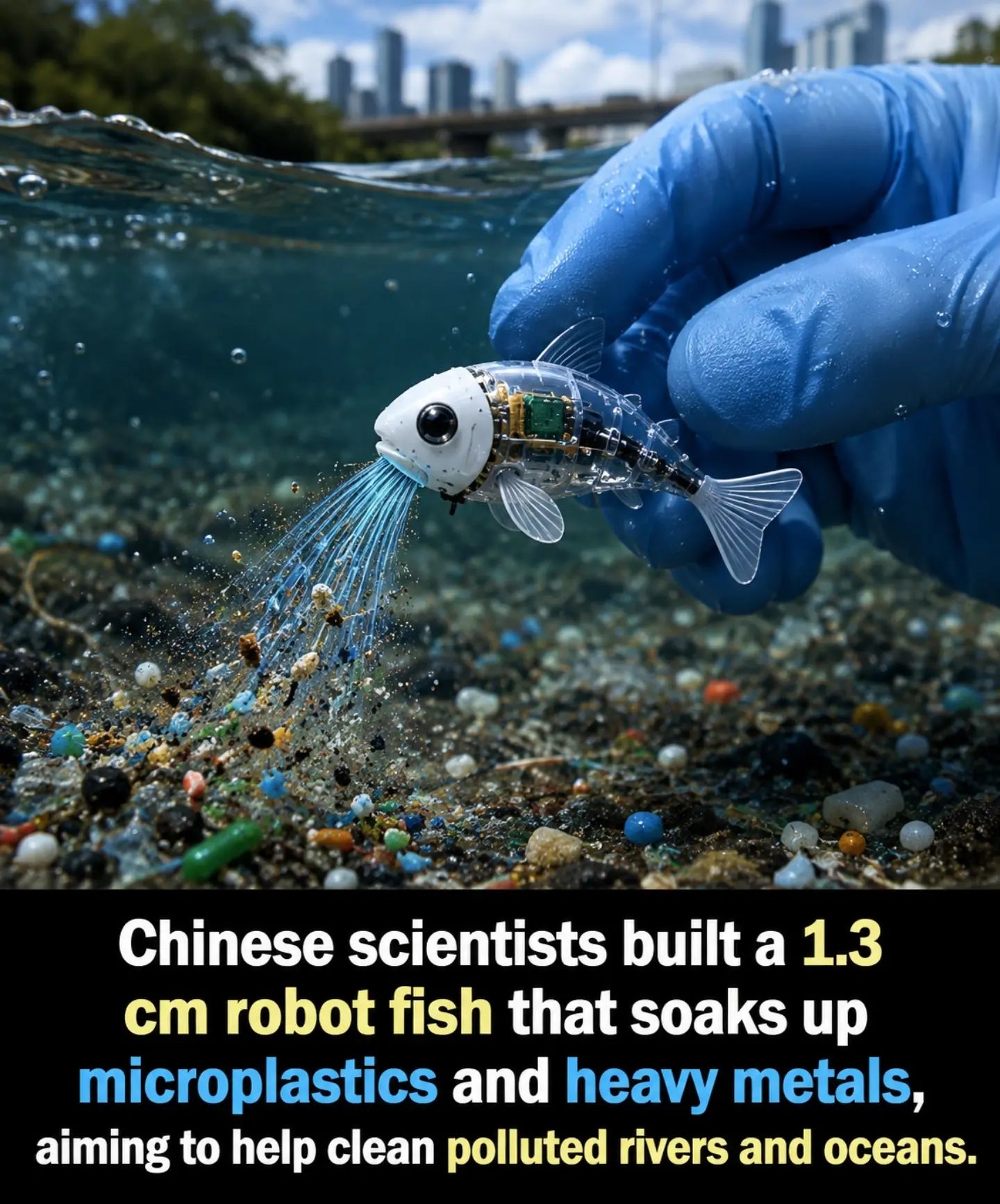
Microplastic Cleanup Robot
Microplastics have become a significant environmental concern, polluting rivers, oceans, and even freshwater systems. These tiny particles, often measuring less than 5 millimeters, originate from the breakdown of larger plastic debris and synthetic fibers. Their small size makes them difficult to remove using traditional cleaning methods. Enter the microplastic cleanup robot, a technological solution that has garnered attention for its innovative approach to tackling this issue.
Context / Why this matters
Microplastic pollution is pervasive, impacting marine life, water quality, and even human health. Addressing this problem requires innovative solutions that can efficiently and effectively remove microplastics from water environments. The development of a microplastic cleanup robot highlights a proactive approach to environmental stewardship, providing a glimpse into how technology can be leveraged to mitigate pollution and safeguard ecosystems.
Main discussion
The Innovation: A Miniature Robot Fish
Chinese scientists have developed a miniature robot fish designed specifically to absorb microplastics and heavy metals from polluted waterways. The robot measures approximately 1.3 cm in size, making it perfectly suited for navigating through water and collecting these tiny pollutants. Its small size also enables it to reach areas that larger cleaning devices cannot access, making it a versatile tool for environmental cleanup efforts.
How the Robot Works
The robot fish is designed to mimic the natural behaviors of fish, moving effortlessly through the water. It incorporates advanced materials and technologies that allow it to absorb microplastics and heavy metals. These pollutants adhere to the robot's surface, which can then be collected and disposed of safely. The robot's small size and agile movements enable it to cover large areas efficiently, making it a cost-effective solution for environmental cleanup.
The Importance of Microplastic Removal
Microplastics pose a significant threat to marine ecosystems and human health. They can be ingested by marine animals, leading to digestive issues, reduced appetite, and even death. Additionally, microplastics can accumulate in the food chain, potentially affecting humans who consume contaminated seafood. Removing these pollutants is crucial for maintaining the health of aquatic ecosystems and ensuring the safety of seafood.
Practical tips
While the microplastic cleanup robot is a promising innovation, there are several practical tips that individuals and communities can adopt to reduce microplastic pollution:
-
Reduce Plastic Use: One of the most effective ways to combat microplastic pollution is to reduce overall plastic use. Opt for reusable items such as water bottles, shopping bags, and containers.
-
Proper Disposal: Ensure that plastic waste is disposed of correctly. Recycle plastics when possible and avoid littering to prevent plastic from entering waterways.
-
Support Cleanup Efforts: Participate in local cleanup events and support organizations that work on environmental conservation. Community efforts can significantly impact the health of water ecosystems.
-
Advocate for Policy Changes: Advocate for policies that address plastic pollution. Encourage governments and industries to implement regulations that limit plastic production and promote sustainable alternatives.
Important takeaways
The development of a microplastic cleanup robot represents a significant advancement in environmental technology. Here are the key takeaways from this innovative solution:
- Efficiency: The robot's small size and agile movements allow it to cover large areas quickly, making it an efficient tool for cleaning polluted waterways.
- Versatility: The robot can navigate through various water environments, including rivers and oceans, making it a versatile solution for different ecosystems.
- Sustainability: By removing microplastics and heavy metals, the robot helps protect marine life and ensures the safety of seafood, promoting sustainable aquaculture.
Conclusion
Microplastic pollution is a growing concern that requires innovative solutions. The development of a microplastic cleanup robot by Chinese scientists offers a promising approach to addressing this issue. By mimicking the natural behaviors of fish, the robot can efficiently absorb microplastics and heavy metals, protecting aquatic ecosystems and human health. While this technology is a significant step forward, it is essential to complement it with individual and community efforts to reduce plastic use and support environmental conservation. Together, these actions can help mitigate the impact of microplastic pollution and safeguard our aquatic environments for future generations.
Watch the Reel
Questions readers ask
How does the tiny robot fish help in microplastic pollution cleanup?
The tiny robot fish, built by Chinese scientists, is designed to navigate through small spaces in waterways. The robot absorbs pollutants, making it an effective tool for microplastic pollution cleanup. It offers a targeted and versatile solution for removing microplastics, which are typically difficult to capture with traditional methods.
What makes microplastics difficult to remove from water environments?
Microplastics are challenging to remove due to their small size, often less than 5 millimeters. Traditional cleaning methods are not equipped to handle such minuscule particles, which makes them pervasive in various water bodies, including rivers, oceans, and freshwater systems.
How does the microplastic cleanup robot differ from traditional cleanup methods?
Traditional methods often struggle with microplastics due to their small size. This tiny robot fish, however, is specifically designed to navigate confined spaces and absorb microplastics. It provides a more efficient and effective approach to cleaning polluted water compared to conventional techniques.
What are the environmental impacts of microplastic pollution?
Microplastic pollution affects marine life and water quality. Tiny particles can be ingested by marine organisms, causing harm and entering the food chain. Additionally, microplastics can absorb and release toxic chemicals, posing a risk to both aquatic ecosystems and human health.
Why is a robot fish an innovative solution for microplastic pollution?
The robot fish's small size allows it to access areas that larger cleanup devices cannot reach. Its ability to absorb microplastics makes it a novel and effective tool for combating water pollution. This innovative design addresses the specific challenges posed by microplastic contamination, providing a targeted and efficient cleanup solution.
Can the microplastic robot fish be used in different types of water bodies?
Yes, the tiny robot fish is versatile and can be deployed in various water environments, including rivers, oceans, and freshwater systems. Its small size and maneuverability make it suitable for navigating different water conditions, offering a flexible solution for microplastic pollution cleanup.
What are the advantages of using a robot fish for pollution cleanup in waterways?
The robot fish offers several advantages, such as its small size, allowing it to reach confined spaces. It can efficiently absorb microplastics, making it a cost-effective and environmentally friendly solution. Additionally, its versatility enables it to be used in various water bodies, addressing the widespread issue of microplastic pollution.
Related deep dives
Similar reads based on topic and creator.




Recent articles
Fresh deep dives from the latest Reels we unpacked.




Comments
Be the first to comment.