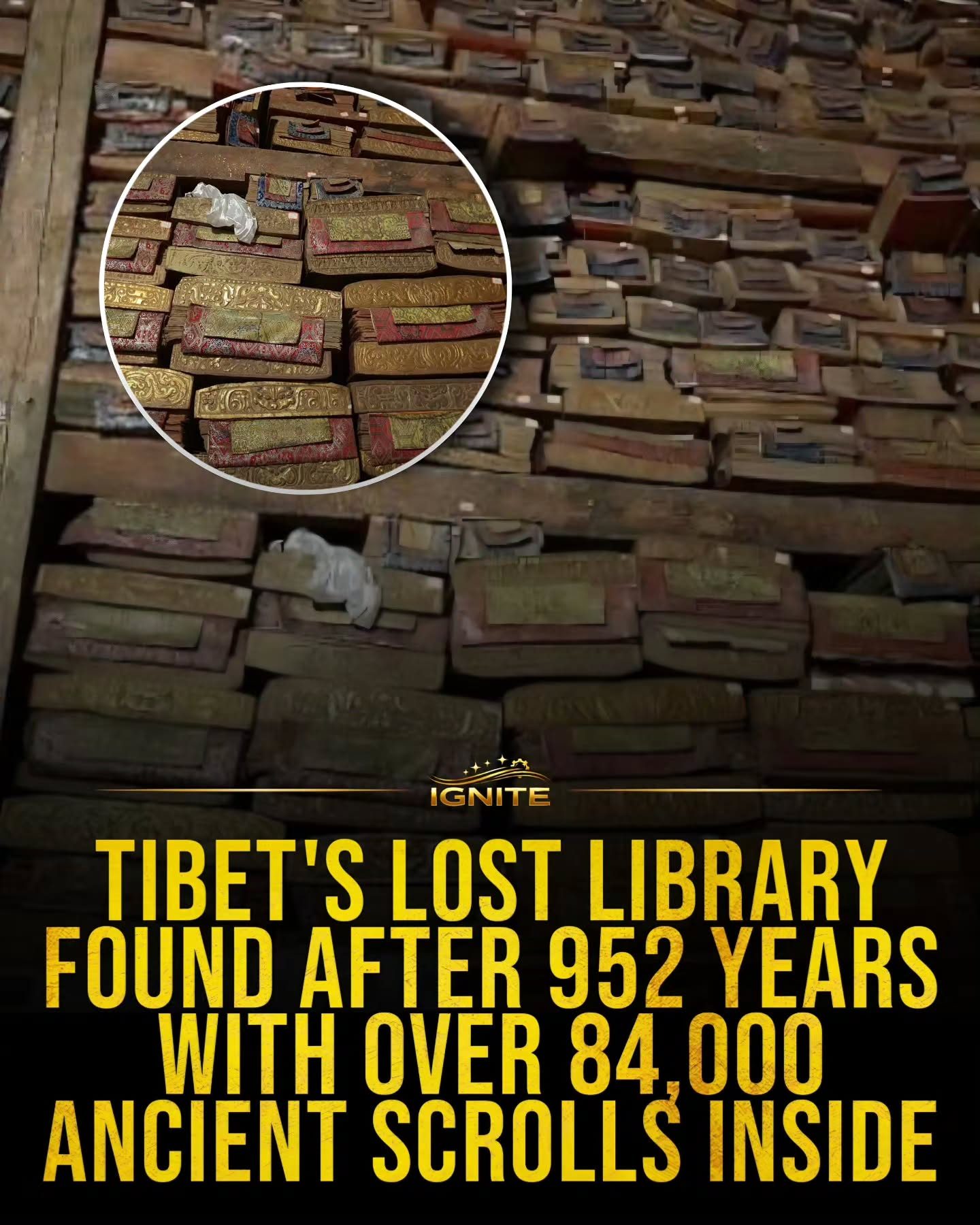
Ancient Library Discovery in Tibet
The discovery of a lost library in Tibet, hidden for 952 years, has brought to light over 84,000 ancient scrolls. This extraordinary find sheds new light on the region's cultural and historical heritage, offering unprecedented insights into ancient Tibetan society.
Context / Why this matters
The significance of this discovery goes beyond the sheer number of scrolls. This library, preserved for nearly a millennium, provides a rare opportunity to study Tibetan history, culture, and knowledge systems from a period largely undocumented in the modern era. The scrolls contain a wealth of information that can help scholars understand the evolution of Tibetan literature, philosophy, and religious practices. Moreover, the discovery highlights the resilience of cultural heritage and the importance of preserving historical artifacts.
Main discussion
The Rediscovery
The library's rediscovery is a testament to the endurance of ancient knowledge. Hidden in the remote landscapes of Tibet, the scrolls have remained remarkably well-preserved, despite the passage of time. The scrolls, believed to date back over 952 years, are a treasure trove of historical and cultural information. The discovery of such a vast collection of ancient documents is unprecedented and offers a unique glimpse into the past.
Historical Significance
The scrolls are likely to contain a diverse range of texts, from religious manuscripts and philosophical treatises to historical records and literary works. For scholars, these documents are invaluable for studying the intellectual and cultural landscape of medieval Tibet. They provide a deeper understanding of the social, political, and religious dynamics of the period, as well as the daily lives of the people.
Preservation Challenges
One of the most remarkable aspects of this discovery is the preservation of the scrolls. The remote location and the unique environmental conditions have played a crucial role in maintaining the scrolls' integrity. However, the task of preserving these documents for future generations presents significant challenges. Specialized techniques and environmental controls are necessary to prevent degradation and ensure the scrolls' longevity.
Future Research
The discovery of this ancient library opens up new avenues for research. Scholars and historians will have the opportunity to study the scrolls in detail, analyzing their contents and uncovering hidden knowledge. The examination of these documents will not only enrich our understanding of Tibetan history but also contribute to broader academic disciplines, such as linguistics, anthropology, and religious studies.
Practical tips
The discovery of this ancient library underscores the importance of preserving historical artifacts. Here are some practical tips for individuals and institutions involved in the preservation of cultural heritage:
-
Use Non-Invasive Techniques: When handling ancient documents, it is crucial to use non-invasive techniques to avoid any damage. This includes using gloves, avoiding direct contact, and maintaining a controlled environment.
-
Dedicated Preservation Facilities: Establishing specialized facilities equipped with the latest preservation techniques can help ensure the longevity of historical artifacts. These facilities should have controlled humidity, temperature, and light conditions to prevent degradation.
-
Collaborative Efforts: Collaboration between scholars, historians, and preservation experts is essential for the successful preservation and study of ancient documents. Initiatives that bring together experts from various fields can lead to more comprehensive and effective preservation strategies.
-
Community Engagement: Engaging local communities in the preservation of their cultural heritage can create a sense of ownership and responsibility. This can be achieved through educational programs, workshops, and community involvement in preservation projects.
Important takeaways
The discovery of the lost library in Tibet is a monumental find that offers unparalleled insights into the region's historical and cultural heritage. The scrolls provide a wealth of information that can help scholars understand the intellectual and cultural landscape of medieval Tibet. However, the preservation of these documents poses significant challenges that require specialized techniques and collaborative efforts. By taking practical steps to preserve and study these artifacts, we can ensure that the knowledge and wisdom of the past are passed on to future generations.
Conclusion
The rediscovery of Tibet's lost library, containing over 84,000 ancient scrolls, is a testament to the resilience of cultural heritage. The scrolls offer a rare and invaluable opportunity to study the history, culture, and knowledge systems of ancient Tibet. The task of preserving and studying these documents requires a collaborative approach and specialized techniques. By taking these steps, we can ensure that the knowledge and wisdom embedded in these ancient scrolls are preserved for future generations, enriching our understanding of the past and inspiring future research.
Watch the Reel
Questions readers ask
Why is the discovery of the 84,000 ancient scrolls in Tibet significant?
The discovery is significant because it provides an unprecedented opportunity to study ancient Tibetan society, literature, philosophy, and religious practices, offering insights into a period that was previously undocumented. It offers a rare opportunity to examine the evolution of these cultural elements over time.
How were the 952-year-old scrolls preserved for so long?
The scrolls were preserved in a hidden library, undisturbed for nearly a millennium. The specific conditions that allowed for this preservation are not detailed, but it is likely due to the remote location and lack of human interference.
What types of information can be found in the ancient Tibetan scrolls?
The scrolls contain a wealth of information about ancient Tibetan society, including literature, philosophy, and religious practices. They offer insights into the cultural heritage of the region and the evolution of its knowledge systems.
How does this discovery contribute to our understanding of Tibetan history?
This discovery contributes to our understanding of Tibetan history by providing firsthand accounts and documents from a period that was largely undocumented. It offers a unique opportunity to study the cultural and historical heritage of ancient Tibetan society.
What challenges might researchers face when studying these ancient Tibetan manuscripts?
Researchers may face challenges such as deciphering ancient languages and scripts, interpreting historical context, and preserving the delicate scrolls for future study. Additionally, the sheer volume of scrolls (over 84,000) presents a significant task for researchers.
What makes the Tibet lost library discovery unique compared to other ancient artifact discoveries?
The Tibet lost library discovery is unique due to the sheer number of scrolls (over 84,000) and the length of time they were preserved undisturbed (952 years). This makes it one of the largest and longest-preserved collections of ancient texts in the world.
How might this discovery impact the study of ancient Tibetan religion?
This discovery could significantly impact the study of ancient Tibetan religion by providing direct access to religious texts and practices from the period. It offers an opportunity to understand the development and evolution of religious beliefs and rituals in ancient Tibet.
Related deep dives
Similar reads based on topic and creator.



Recent articles
Fresh deep dives from the latest Reels we unpacked.




Comments
Be the first to comment.