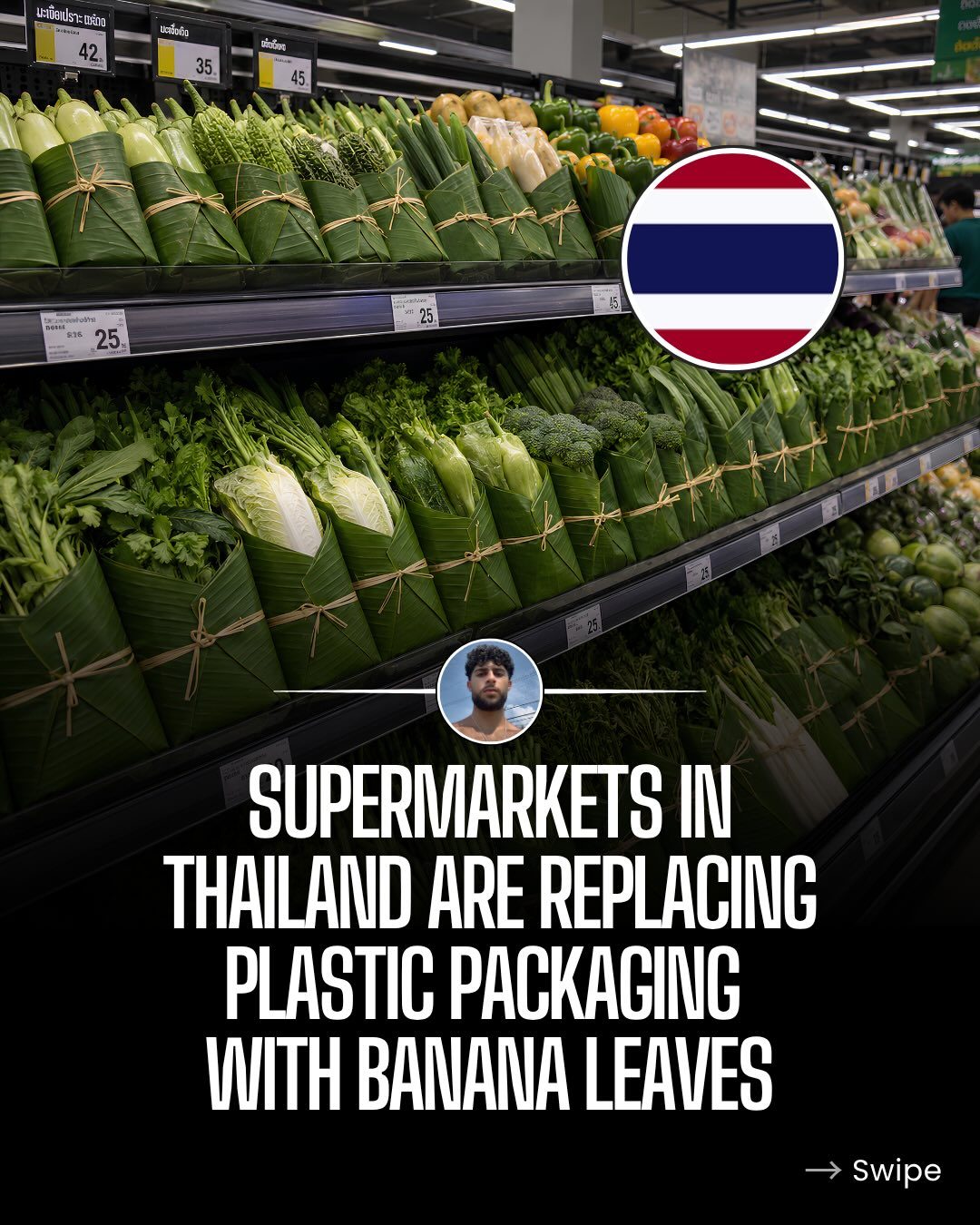
Banana Leaf Packaging in Thailand
Banana leaves are emerging as a sustainable alternative to traditional plastic packaging in some Thai supermarkets. This shift highlights a growing trend towards eco-friendly practices in the food industry. By replacing plastic with banana leaves, these supermarkets are addressing significant environmental concerns while maintaining the freshness and appeal of their produce.
Why This Matters
The use of banana leaves for packaging is more than just a trend; it is a practical solution to a pressing global issue. Plastic packaging, derived from fossil fuels, poses significant environmental challenges. It breaks down slowly, taking hundreds of years to decompose, and contributes to plastic pollution in oceans. Microplastics from this packaging can even find their way into our food supply. In contrast, banana leaves offer a 100% natural, biodegradable, and renewable alternative that breaks down quickly and requires minimal processing.
The Benefits of Banana Leaf Packaging
Environmental Sustainability
Banana leaves are an agricultural byproduct, making them a sustainable choice. Banana plants are cut after fruiting to allow for new growth, and the leaves, which would otherwise go to waste, are repurposed for packaging. This approach does not contribute to deforestation, as banana plants are not trees and do not need to be cut down for their leaves.
Economic Viability
Using banana leaves to wrap produce can be financially beneficial. Since these leaves are an agricultural byproduct, their cost is relatively low. Moreover, the minimal processing required to prepare them for use further reduces expenses. This cost-effectiveness makes banana leaf packaging an attractive option for supermarkets looking to reduce their environmental footprint without increasing costs.
Practical Tips for Implementing Banana Leaf Packaging
There are several critical factors to consider when implementing banana leaf packaging in a supermarket setting. Here are some practical tips:
Sourcing and Preparation
Selecting fresh, intact banana leaves is crucial. Ideally, leaves should be sourced from local farmers to minimize transportation emissions and support the local economy. Once sourced, the leaves should be thoroughly cleaned and dried. Some may be steamed or treated for durability, depending on the produce they will wrap.
Packaging Techniques
The way in which banana leaves are used to wrap produce can vary. Some items may be loosely wrapped, while others might require a more secure packaging method. For example, small items like vegetables can be bundled together with a single leaf, while larger items might need multiple layers or additional securing methods like string or ties.
Consumer Education
Educating consumers about the benefits of banana leaf packaging is essential. Signage and in-store displays can inform shoppers about the environmental advantages and the natural, fresh appeal of produce wrapped in banana leaves. Highlighting the sustainability and eco-friendliness of this packaging can encourage consumers to appreciate and choose it over traditional plastic options.
Important Takeaways
- Environmental Benefits: Banana leaves are a sustainable alternative to plastic packaging, breaking down quickly and requiring minimal processing.
- Economic Viability: As an agricultural byproduct, banana leaves are cost-effective and reduce waste.
- Consumer Appeal: Educating consumers about the benefits of banana leaf packaging can enhance its appeal and encourage wider adoption.
Conclusion
The shift towards banana leaf packaging in Thai supermarkets represents a significant step forward in sustainable food practices. This eco-friendly solution not only addresses environmental concerns but also provides an economically viable alternative to traditional plastic packaging. As more supermarkets consider this approach, it is crucial to prioritize sourcing, preparation, and consumer education to ensure the success of this sustainable initiative. By embracing banana leaf packaging, we can contribute to a healthier planet while enjoying fresh, naturally packaged produce.
Watch the Reel
Questions readers ask
What are the main benefits of using banana leaves for packaging in supermarkets?
Banana leaf packaging offers several benefits, including being biodegradable, sustainable, and cost-effective. It helps reduce plastic waste and addresses environmental concerns by decomposing naturally, unlike plastic, which can take hundreds of years.
How does banana leaf packaging help reduce plastic waste in Thailand?
By adopting banana leaf packaging, Thai supermarkets significantly cut down on plastic waste. This shift replaces non-biodegradable plastic with a natural, eco-friendly alternative, decreasing the amount of plastic that ends up in landfills and oceans.
What are the environmental concerns addressed by using biodegradable banana leaf packaging?
Biodegradable banana leaf packaging tackles issues like plastic pollution in oceans and the slow decomposition of plastic waste. It also helps mitigate the problem of microplastics, which are harmful to marine life and ecosystems.
Why are some Thai supermarkets switching to banana leaf packaging?
Thai supermarkets are transitioning to banana leaf packaging to promote sustainability and reduce their environmental footprint. This eco-friendly practice aligns with global efforts to combat plastic waste and encourages environmentally friendly produce.
How does banana leaf packaging maintain the freshness and appeal of produce?
Banana leaf packaging is effective in preserving the freshness and appeal of produce. The leaves act as a natural, breathable barrier that keeps fruits and vegetables fresh. Additionally, the rustic, natural look of banana leaves can enhance the visual appeal of the products.
What makes banana leaf packaging a practical solution for supermarkets in Thailand?
Banana leaf packaging is a practical solution due to its abundance in Thailand, low cost, and effectiveness in maintaining produce freshness. It also resonates with the growing consumer demand for sustainable and eco-friendly packaging solutions.
Related deep dives
Similar reads based on topic and creator.


Recent articles
Fresh deep dives from the latest Reels we unpacked.




Comments
Be the first to comment.