Texas Water Crisis
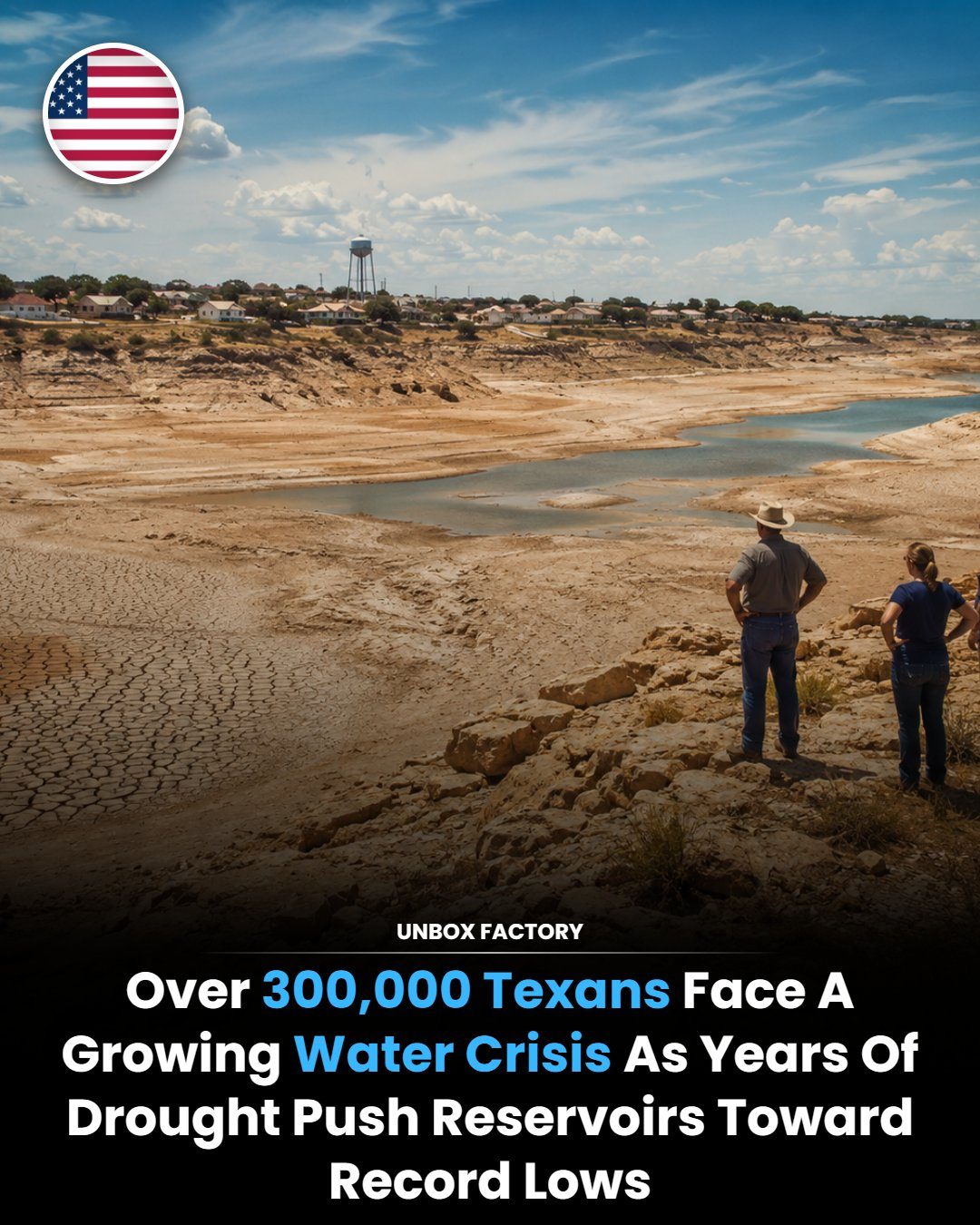
Texas is facing a severe water crisis, with over 300,000 residents now dealing with worsening water shortages. Years of severe drought and record-breaking heat have pushed reservoirs to historic lows, creating an urgent situation that demands immediate attention and long-term solutions. Local governments are responding with stricter conservation rules and significant investments in infrastructure to secure long-term water supplies.
Why This Matters
Water is a fundamental resource, and its scarcity can have far-reaching effects on communities, economies, and ecosystems. The current crisis in Texas highlights the vulnerabilities of a growing state grappling with increasingly frequent extreme droughts. As one of America's fastest-growing states, Texas has seen millions of new residents over the past decade. This population growth, coupled with expanding industrial demand and the impacts of climate change, places immense pressure on freshwater resources.
The Southwest region, in particular, is at risk. Water experts warn that continued climate change could exacerbate the situation, making it crucial to address the issue comprehensively. Understanding the root causes and potential solutions is essential for both Texas and other regions facing similar challenges.
The Root Causes
Years of Severe Drought
Drought conditions in Texas have been persistent and severe, straining water sources that communities rely on. These prolonged droughts have led to significant decreases in reservoir levels, making it difficult to meet the water demands of a growing population. The combination of reduced rainfall and higher temperatures has exacerbated the situation, leading to record lows in water reserves.
Population Growth
Texas' rapid population growth adds to the strain on water resources. Over the past decade, the state has seen a significant influx of new residents, increasing the demand for water. This demographic shift puts additional pressure on existing water supplies, which are already stretched thin due to drought conditions. The growing population necessitates the development of new strategies to ensure a steady supply of fresh water for all residents.
Climate Change
Climate change plays a pivotal role in the water crisis. Rising temperatures and shifting weather patterns have led to more frequent and severe droughts. These conditions reduce the availability of water from traditional sources like rainfall and snowmelt, further exacerbating the crisis. The impacts of climate change are not limited to Texas; similar trends are observed across the Southwest, highlighting the need for comprehensive regional solutions.
Industrial Demand
The expanding industrial sector in Texas also contributes to the water crisis. Industries require large amounts of water for operations, adding to the overall demand. As the economy grows, so does the need for water, placing additional strain on limited resources. Balancing industrial needs with those of the population is a critical challenge in managing the water crisis.
Local and Long-Term Solutions
Stricter Conservation Rules
Local governments are implementing stricter conservation rules to mitigate the immediate water shortage. These measures include restrictions on water usage, encouraging residents and businesses to reduce their consumption. By enforcing these rules, authorities aim to conserve water and extend the available supply until more sustainable solutions are implemented.
Desalination Plants
One of the key investments in addressing the water crisis is the construction of desalination plants. These facilities convert seawater into freshwater, providing an alternative source of water. While desalination can be energy-intensive and costly, it offers a viable solution in coastal areas where freshwater is scarce. Texas is investing in this technology to bolster its long-term water supply.
Groundwater Projects
Groundwater projects are another essential component of the strategy to secure freshwater resources. These projects involve tapping into underground aquifers, which can provide a significant amount of water. However, sustainable management of groundwater is crucial to prevent depletion and ensure long-term availability. Investing in groundwater projects helps diversify the water supply and reduce reliance on surface water sources.
New Pipelines
New pipelines are being constructed to transport water from areas with abundant supplies to regions experiencing shortages. This infrastructure investment aims to optimize water distribution and ensure that all parts of the state have access to adequate water supplies. By enhancing the state's water infrastructure, authorities can better manage and allocate resources.
Practical Tips
The water crisis in Texas affects everyone, and individual actions can make a significant difference. Here are some practical tips to help conserve water and contribute to the collective effort:
Reduce Water Usage
Implement water-saving measures at home and in your daily routines. Simple actions like fixing leaks, using water-efficient appliances, and adopting water-saving habits can significantly reduce water consumption. Installing low-flow showerheads, faucets, and dual-flush toilets can also help conserve water.
Water Garden Wisely
If you have a garden, adopt water-efficient gardening practices. Use native plants that require less water, and implement drip irrigation systems to minimize water loss. Watering during cooler parts of the day can also reduce evaporation and ensure that plants get the water they need.
Support Conservation Efforts
Stay informed about local water conservation initiatives and support them. Participate in community programs that promote water-saving practices and advocate for policies that prioritize sustainable water management. By working together, communities can make a meaningful impact on water conservation efforts.
Encourage Sustainable Practices
Encourage businesses and industries to adopt sustainable water management practices. Supporting companies that prioritize water conservation and sustainable resource use can drive broader change and contribute to long-term water security.
Advocate for Policy Changes
Engage with local and state governments to advocate for policies that address the water crisis. Encourage investments in water infrastructure, desalination plants, and groundwater projects. By pushing for comprehensive solutions, you can help ensure a reliable water supply for future generations.
Important Takeaways
- The water crisis in Texas is a complex issue involving drought, population growth, and climate change.
- Effective solutions require a combination of conservation, infrastructure investment, and sustainable management practices.
- Individual actions, such as reducing water usage, can make a significant difference in alleviating the crisis.
- Support for policy changes and sustainable practices is crucial for addressing the water crisis in the long term.
By understanding the root causes and implementing practical solutions, Texas can work towards securing a reliable water supply for its growing population. The current crisis serves as a reminder of the importance of water conservation and the need for strategic planning to ensure a sustainable future.
Watch the Reel
Related deep dives
Similar reads based on topic and creator.


Recent articles
Fresh deep dives from the latest Reels we unpacked.




Comments
Be the first to comment.