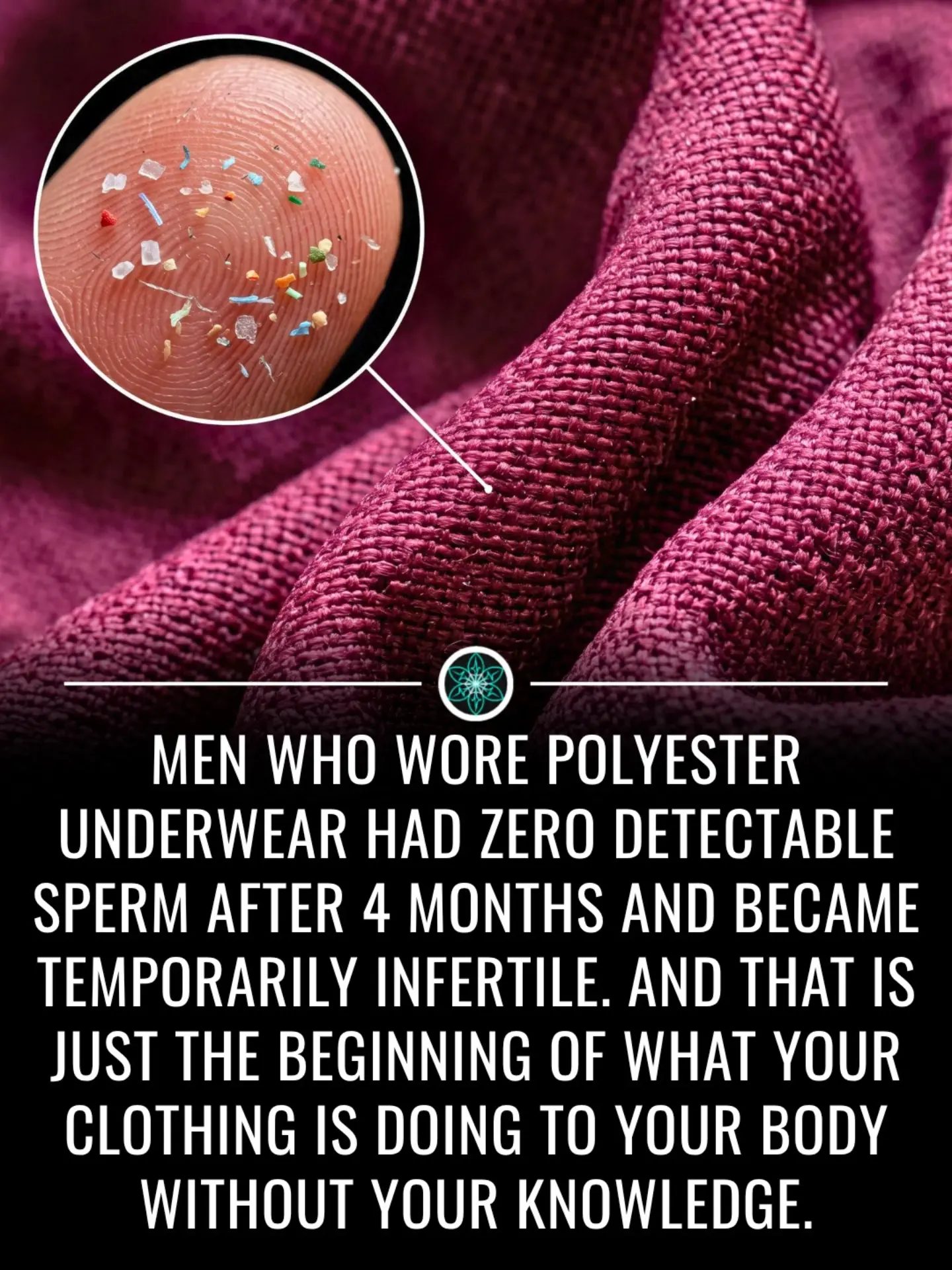
Microplastics in Clothing and Health Concerns
Synthetic fabrics, particularly polyester, have become ubiquitous in clothing due to their durability and affordability. However, recent studies have shed light on the potential health risks associated with microplastics and chemicals found in these fabrics. Understanding these risks can help consumers make informed decisions about their clothing choices and overall health.
Why This Matters
Clothing is more than just a means of protection and style—it’s in constant contact with your skin, the body’s largest organ. The chemicals and microplastics found in synthetic fabrics can be absorbed through the skin and have been linked to various health issues. This is not just a concern for those with sensitive skin; it affects everyone who wears synthetic clothing.
Main discussion
Microplastics and Their Impact
Microplastics are tiny plastic particles that can be released from synthetic fabrics during washing and everyday wear. These particles are so small that they can enter the body through inhalation, ingestion, and skin absorption. Studies have found microplastics in various human tissues, including brain tissue, arterial plaque, testicular tissue, and female reproductive organs. This accumulation raises significant health concerns, as microplastics can act as carriers for harmful chemicals and disrupt normal bodily functions.
Effects of Polyester and Synthetic Fabrics
Polyester, a common synthetic fabric, has been associated with several health issues. One notable study found that men who wore polyester underwear had zero detectable sperm after just four months. This alarming finding is attributed to the electrostatic charge created by polyester against the skin, which can lead to trapped heat and oxidative stress on reproductive tissue. The study highlights the potential for synthetic fabrics to disrupt hormonal balance and impact fertility.
Specific Chemicals in Clothing
Clothing, especially synthetic fabrics, can contain a variety of chemicals that pose health risks. Some of these chemicals include:
- BPA (Bisphenol A): A known endocrine disruptor that can interfere with hormonal functions.
- BPS (Bisphenol S): Often used as a replacement for BPA, it has similar health concerns.
- Formaldehyde: A Group 1 carcinogen, which means it is known to cause cancer in humans.
- PFAS (Perfluoroalkyl and Polyfluoroalkyl Substances): Often used for stain resistance, these “forever chemicals” accumulate in the body and do not break down.
- Flame Retardants: Chemicals used to prevent fabrics from catching fire, which have been linked to various health issues, including developmental problems and cancer.
The Impact of Chemical Residues
Chemical residues in synthetic fabrics can have a direct impact on skin health. For instance, isocyanates and xylene, commonly found in synthetic fabrics, can shut down the skin’s amide-producing bacteria. These bacteria are crucial for producing ceramides, which are essential for maintaining the skin’s barrier function. The disruption of this process can lead to conditions such as eczema, acne, and contact dermatitis.
The Dangers of Microplastics in Sheets
Polyester-blend sheets pose a unique health risk because they provide eight hours of direct exposure to the skin while sleeping. The constant contact with synthetic fabrics can lead to the absorption of microplastics and chemicals, which can then enter the bloodstream and accumulate in various tissues. This prolonged exposure can exacerbate the health issues associated with these substances.
Practical Tips
Choosing Safer Fabrics
To minimize the health risks associated with synthetic fabrics, consider the following tips:
- Switch to Natural Fabrics: Opt for natural fabrics like cotton, linen, hemp, and lyocell bamboo. These fabrics are less likely to contain harmful chemicals and microplastics. If choosing cotton, ensure it is GOTS (Global Organic Textile Standard) or OEKO-TEX certified to avoid synthetic chemicals during the processing stage.
- Avoid Synthetic Blends: Polyester-blend sheets, underwear, and other clothing items can increase exposure to microplastics and chemicals. Opt for 100% natural fabrics instead.
- Wash New Clothing Before Wearing: New clothing can contain residues of chemicals used in manufacturing. Washing new items before wearing can help reduce the risk of exposure.
- Use Fragrance-Free Detergent: Fragrances in detergents can contain harmful chemicals that are absorbed through the skin. Opt for fragrance-free detergents to minimize exposure.
Prioritizing Bedding and Sleepwear
Given the prolonged exposure to bedding and sleepwear, it is essential to prioritize these items when switching to natural fabrics. Ensuring that your bedding and sleepwear are made from natural materials can significantly reduce your exposure to harmful chemicals and microplastics.
Taking Action
Staying informed about the health risks associated with synthetic fabrics is the first step. By making conscious choices about the clothing and bedding you use, you can significantly reduce your exposure to harmful chemicals and microplastics. Sharing this information with others can also help create a broader awareness and drive demand for safer, more transparent products.
Important Takeaways
- Synthetic fabrics, particularly polyester, can release microplastics and contain harmful chemicals that pose health risks.
- These microplastics and chemicals have been found in various human tissues, including brain tissue, arterial plaque, and reproductive organs.
- Polyester underwear has been linked to infertility and hormonal disruption, and polyester-blend sheets provide a prolonged exposure risk.
- Opting for natural fabrics like cotton, linen, and lyocell bamboo can help minimize exposure to these risks.
- Washing new clothing before wearing and using fragrance-free detergents can also reduce health risks.
Conclusion
The health risks associated with microplastics and chemicals in synthetic fabrics are a growing concern. By understanding these risks and making informed choices about the clothing and bedding we use, we can take significant steps to protect our health. Prioritizing natural fabrics and being mindful of our exposures can help create a healthier, more informed consumer culture.
Watch the Reel
Questions readers ask
What are the primary health risks associated with polyester clothing?
Polyester clothing may pose health risks due to the microplastics they release and the chemicals used in their production. These tiny particles can be absorbed through the skin and inhaled, potentially leading to skin irritations, respiratory issues, and other health problems. Additionally, some synthetic fabrics contain chemicals like PFAS, which have been linked to various health issues, including endocrine disruption and increased cancer risk.
How do microplastics from clothing affect human health?
Microplastics from clothing can be absorbed through the skin and inhaled, potentially causing irritations and health issues. While more research is needed to fully understand the impact, recent studies suggest that microplastics may cause skin irritation, respiratory problems, and even affect the immune system. This is particularly concerning for those with sensitive skin or compromised immune systems.
What are PFAS and why are they concerning in clothing?
PFAS, or per- and polyfluoroalkyl substances, are a group of man-made chemicals used to make fabrics water, stain, and grease-resistant. They are concerning because they are known as 'forever chemicals,' meaning they do not break down naturally and can accumulate in the environment and the human body. Exposure to PFAS has been linked to various health issues, including thyroid problems, organ damage, and certain types of cancers.
Can switching to natural fabrics like lyocell completely eliminate these health concerns?
Switching to natural fabrics like lyocell can significantly reduce health concerns related to synthetic fabrics. Lyocell is produced from sustainable wood pulp and is known for its softness, durability, and breathability. However, it's essential to choose certified lyocell products to ensure they have been processed without harmful chemicals. Additionally, consider how the fabric is dyed or treated, as these processes can also introduce chemicals into the final product.
How can I minimize my exposure to harmful chemicals from clothing?
To minimize exposure, opt for clothing made from natural fibers like cotton, linen, or lyocell, and choose products that are certified as free from harmful chemicals. Wash new clothes before wearing to remove any residual chemicals, and keep your skin healthy to minimize potential absorption. Always check the labels and choose products that prioritize sustainability and safety in their production processes.
What are the benefits of choosing zero-waste clothing?
Choosing zero-waste clothing can have considerable benefits for your health and the environment. These garments are often made from natural, non-toxic materials and produced using sustainable methods, reducing exposure to harmful chemicals. By opting for zero-waste clothing, you also contribute to reducing textile waste and supporting a more sustainable fashion industry.
Related deep dives
Similar reads based on topic and creator.

Recent articles
Fresh deep dives from the latest Reels we unpacked.




Comments
Be the first to comment.