Historic Staircases in Switzerland: Design and Functionality
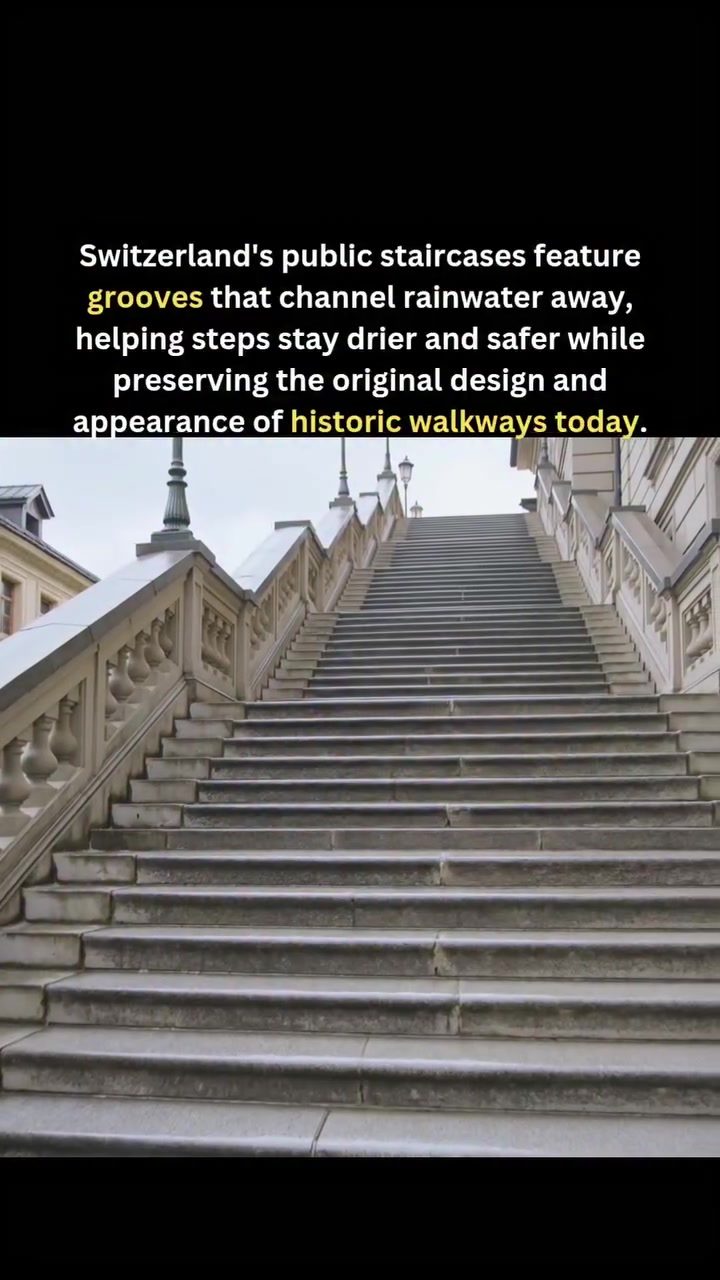
Public staircases are a common sight in Switzerland, and many of these historic structures feature unique design elements. Grooves along the steps help guide rainwater away. This functionality keeps the steps drier and safer, all while preserving the original appearance of these historic staircases.
Context: The Role of Architecture in Public Spaces
In urban and rural areas alike, staircases serve as both functional and aesthetic elements. They connect different levels of a city or town, facilitating pedestrian movement. In Switzerland, these structures often showcase a blend of practical design and historical significance. Understanding the design elements and their purposes can enhance appreciation for these architectural feats.
Main Discussion
Grooves for Water Management
The grooves etched into the steps of Swiss staircases serve a critical purpose: they channel rainwater away from the walking surface. This design element is not merely decorative; it has a clear functional benefit. By efficiently directing water away, these grooves help prevent the steps from becoming slippery and hazardous, especially during wet weather.
Safety and Design Preservation
This design innovation also aids in preserving the original appearance and design of the staircases. By keeping the steps drier, the grooves help maintain the structural integrity and aesthetic appeal of these historic walkways. This means that future generations can continue to appreciate these architectural marvels as they were originally intended.
Practical Tips for Designing Public Staircases
When designing or maintaining public staircases, several factors should be considered to ensure both safety and longevity.
Material Selection
Choosing the right materials for the staircases is crucial. Stones, bricks, and other durable materials can withstand harsh weather conditions and heavy foot traffic. Polycarbonate materials are also increasingly popular for their durability and resistance to weathering.
Water Management
Implementing effective water management systems, such as grooves or grates, can significantly enhance the safety and longevity of staircases. Ensuring that water is channeled away efficiently helps prevent slipping and erosion.
Maintenance and Upkeep
Regular maintenance is essential to keep staircases safe and functional. This includes cleaning grooves, repairing any damage, and ensuring that the steps are free of debris and obstacles. Regular inspections can help identify issues early, allowing for timely repairs and preserving the structural integrity of the staircases.
Preservation of Historical Elements
For historic staircases, preserving the original design and appearance is paramount. When repairs or renovations are necessary, using materials and techniques that match the original construction can help maintain the historic character of the structure. This approach ensures that future generations can continue to appreciate the architectural significance of these staircases.
Important Takeaways
Historic staircases in Switzerland exemplify how thoughtful design can enhance both functionality and aesthetic appeal. The grooves along the steps serve a practical purpose by managing rainwater, ensuring that the steps remain drier and safer. Moreover, this design element contributes to preserving the original appearance and historical significance of these walkways.
Conclusion
Public staircases, particularly those in Switzerland, are more than just functional elements; they are architectural treasures that connect different levels of a landscape. The grooves etched into these historic structures are a testament to thoughtful design, ensuring safety and preserving historical integrity. When designing or maintaining staircases, prioritizing practical features like water management, material selection, and regular maintenance can enhance their longevity and aesthetic appeal. Whether in modern urban settings or historic towns, these design elements contribute to the overall charm and functionality of public spaces.
Watch the Reel
Questions readers ask
Why are there grooves in the steps of Swiss staircases?
Grooves are etched into the steps of Swiss staircases to create a system of channels that efficiently guide rainwater away. This design helps keep the steps drier and safer, especially during wet weather. By directing water flow, these grooves also prevent water from pooling on the steps, which helps preserve the historic appearance of the staircases.
How do the grooves in Swiss staircases improve safety?
The grooves in Swiss staircases improve safety by enhancing traction. By channeling rainwater away, the grooves reduce the amount of water on the surface of the steps, making them less slippery. This is particularly important in Switzerland, where rainfall and snowmelt are common throughout the year.
Are the grooves in Swiss staircases a modern addition or a historic feature?
The grooves in Swiss staircases are a historic feature that have been incorporated into their design for many years. They are an example of how practical design elements have been integrated into Swiss architecture to enhance functionality and preserve the historic appearance of these structures.
How do the grooves in Swiss staircases help preserve their appearance?
By guiding rainwater away, the grooves in Swiss staircases help prevent water damage and discoloration. This preservation of the original appearance ensures that these historic structures can be enjoyed for years to come.
Are there other countries that use similar designs for their public staircases?
While the specific design of grooves in staircases is particularly notable in Switzerland, other countries also employ creative solutions for managing rainwater in public spaces. For example, some countries use permeable paving or integrated drainage systems in their staircases and walkways.
What are the benefits of having public staircases in urban and rural areas?
Public staircases in urban and rural areas serve multiple purposes. They facilitate pedestrian movement, connecting different levels of a city or town. Additionally, they enhance the aesthetic appeal of public spaces and can contribute to the historical and cultural heritage of an area. In Switzerland, these structures often blend practical design with historical significance, making them valuable elements of the built environment.
How do Swiss public staircases contribute to the overall urban design?
Swiss public staircases contribute to the overall urban design by providing functional pathways and enhancing the visual appeal of public spaces. Their unique design, with grooves for rainwater management, showcases a commitment to both practicality and aesthetics, making them integral to the character and functionality of Swiss cities and towns.
Related deep dives
Similar reads based on topic and creator.




Recent articles
Fresh deep dives from the latest Reels we unpacked.




Comments
Be the first to comment.