Swiss Staircases: A Blend of Functionality and Historic Preservation
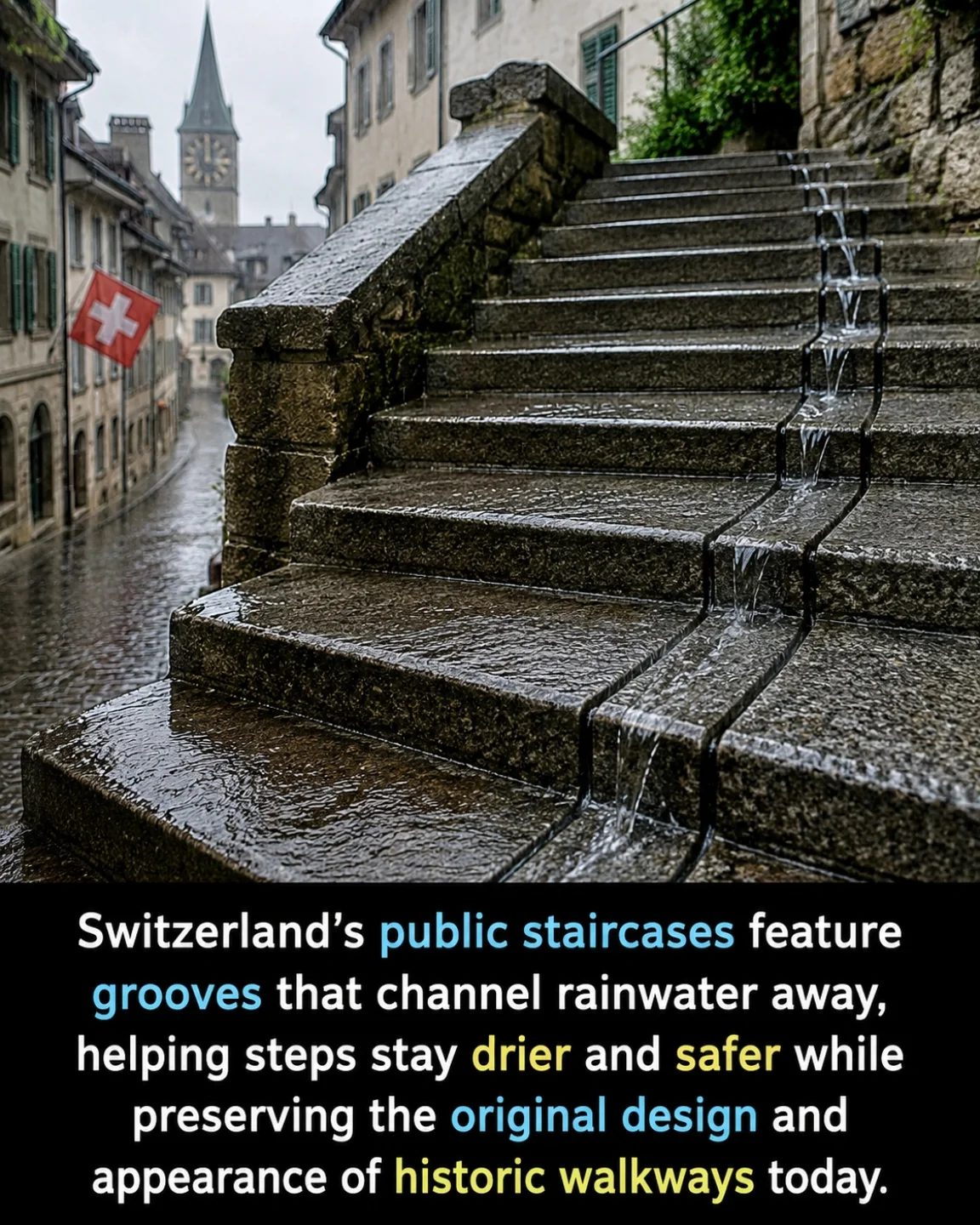
Swiss staircases, particularly those in public spaces, are renowned for their unique design feature: grooves carved into the steps. These grooves serve a critical purpose—channeling rainwater away from the walking surface. This design not only keeps the steps drier and safer but also preserves the original appearance of historic walkways.
Why This Matters
In a country known for its picturesque landscapes and architectural marvels, the design of public staircases might seem like a small detail. However, these grooves are a testament to the Swiss commitment to functional design and historic preservation. Understanding this design can offer insights into how modern engineering can blend with traditional aesthetics to create durable and safe public spaces.
Main Discussion
The Purpose of the Grooves
The primary function of the grooves on Swiss staircases is to manage rainwater effectively. By channeling water away from the steps, these grooves prevent the accumulation of water, which can make the steps slippery and dangerous. This design feature is particularly important in a country with frequent rainfall, ensuring that public staircases remain safe and accessible year-round.
Design and Preservation
The grooves are not just a functional addition; they also play a crucial role in preserving the historic appearance of the staircases. In many historic sites across Switzerland, the original design and materials of the staircases are carefully maintained. The grooves are carved in a way that complements the aesthetic of the historic walkways, ensuring that the historic value is not compromised by modern safety measures.
Material and Maintenance
The stone material used in these staircases is not only durable but also adds to their historic charm. The grooves are carefully carved into the stone, ensuring that they do not detract from the overall aesthetic. Regular maintenance is essential to keep these staircases in good condition. This includes cleaning the grooves to ensure they remain effective in channeling water and periodically inspecting the stone to address any signs of wear and tear.
Safety and Accessibility
Safety is a top priority in public spaces, and the design of Swiss staircases reflects this. By keeping the steps dry, the grooves reduce the risk of slipping, making the staircases safer for all users, including the elderly and individuals with mobility challenges. This thoughtful design ensures that everyone can navigate these historic sites comfortably and safely.
Practical Tips
If you are designing public staircases or simply appreciate historic architecture, consider the following tips:
- Understand the Environment: Consider the local climate and weather patterns when designing staircases. In areas with frequent rainfall, incorporating features like grooves can enhance safety.
- Blend Functionality with Aesthetics: Ensure that safety features do not compromise the aesthetic value of historic sites. Grooves or other safety features should complement the original design.
- Use Durable Materials: Opt for materials that are not only durable but also aesthetically pleasing. Stone, for example, is both sturdy and visually appealing.
- Regular Maintenance: Plan for regular maintenance to keep the staircases in good condition. This includes cleaning and inspecting the grooves to ensure they remain effective.
Important Takeaways
Swiss staircases with grooves are a stellar example of how functional design can coexist with historic preservation. The grooves channel rainwater away, keeping the steps dry and safe. This design feature not only enhances safety but also maintains the historic charm of the walkways. By understanding and appreciating these design elements, we can learn valuable lessons about balancing modern needs with historic preservation.
Conclusion
Swiss staircases are a marvel of functional design and historic preservation. The grooves carved into the steps serve a practical purpose while adding to the aesthetic appeal of these historic sites. Whether you are an architect, a historian, or simply someone who appreciates beautiful design, these staircases offer a unique blend of functionality and heritage. By incorporating thoughtful design features, we can create public spaces that are both safe and visually stunning.
Watch the Reel
Questions readers ask
What is the primary purpose of the grooves in Swiss staircase design?
The grooves in Swiss staircases are designed to efficiently channel rainwater away from the walking surface. This helps keep the steps drier and safer, especially in public areas where foot traffic is high. By managing water flow, these grooves also contribute to the preservation of the staircases' original appearance.
How do Swiss staircases blend functionality with historic preservation?
Swiss staircases integrate functionality with historic preservation through their distinctive design. The grooves carved into the steps serve a practical purpose by managing rainwater, while also maintaining the traditional aesthetic of the historic walkways. This blend ensures that the staircases remain both safe and visually appealing.
Are these grooved staircases common in all parts of Switzerland?
While grooved staircases are particularly notable in public areas, they can be found in various parts of Switzerland. This design is a reflection of the country's broader commitment to functional engineering and preservation of historic structures, making it a common sight in many Swiss communities.
What materials are typically used in Swiss stone staircase design?
Swiss stone staircases are typically crafted from durable materials such as granite or limestone. These materials are chosen for their durability and ability to withstand weathering, making them ideal for outdoor public staircases. The choice of material also contributes to the historic and aesthetic charm of these structures.
How do the grooves in Swiss staircases contribute to safety?
The grooves in Swiss staircases enhance safety by preventing water accumulation on the steps. By channelling water away, they reduce the risk of slips and falls, making the staircases safer for pedestrians. This design feature is especially important in a country known for its varied weather conditions.
Can modern staircases incorporate similar designs for better water management?
Yes, modern staircases can indeed incorporate similar designs. The principles behind Swiss staircase design, such as efficient water management and aesthetic appeal, can be applied to new constructions. This helps in creating functional and safe staircases that also complement their surroundings.
How does the design of Swiss staircases reflect Swiss engineering?
The design of Swiss staircases reflects the country's commitment to functional engineering. These grooved staircases demonstrate a practical approach to solving a common problem—water management—while preserving the historic integrity of the structures. This balance between functionality and aesthetics is a hallmark of Swiss design philosophy.
Related deep dives
Similar reads based on topic and creator.




Recent articles
Fresh deep dives from the latest Reels we unpacked.




Comments
Be the first to comment.