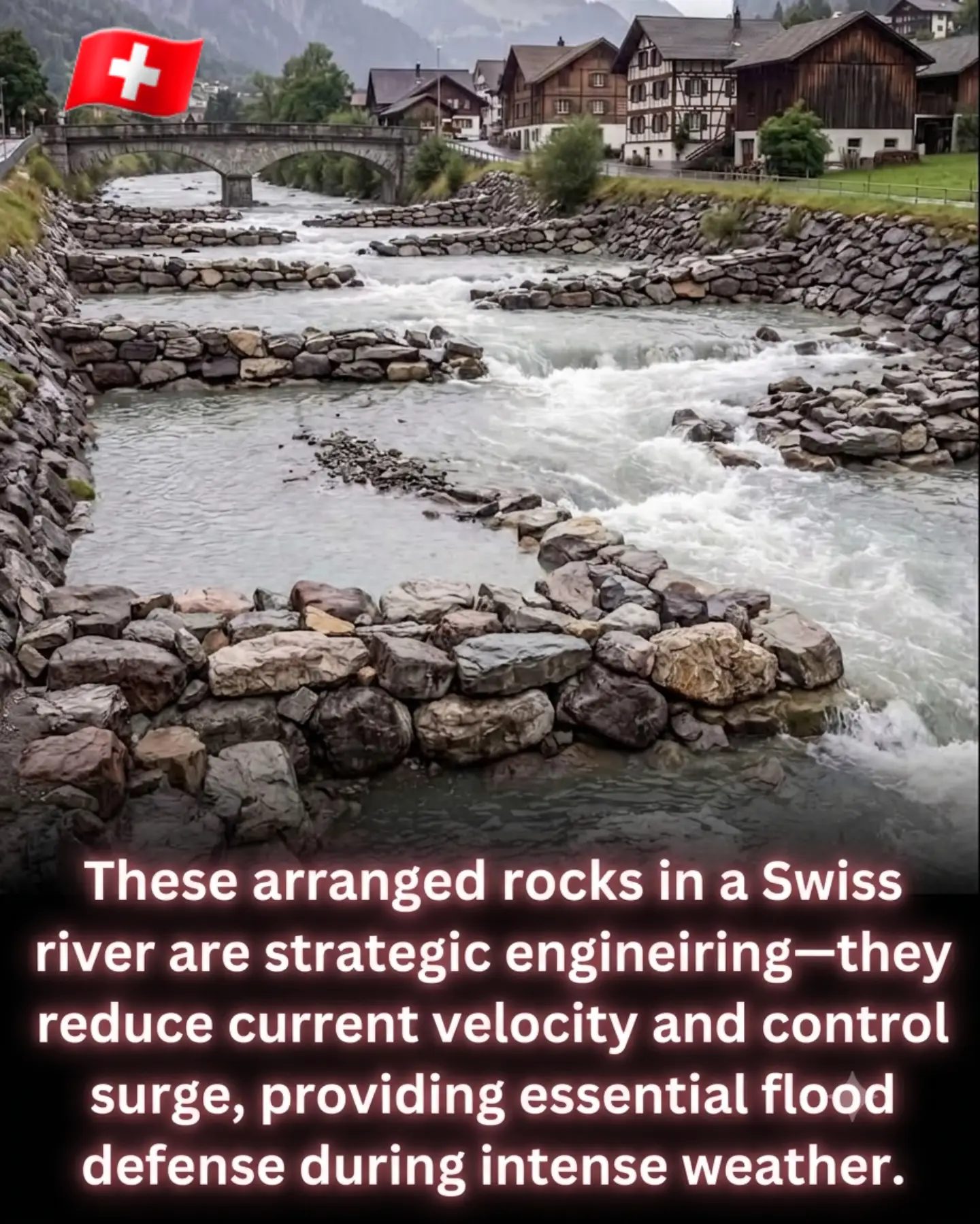
Swiss River Engineering: Managing Flow and Floods
Swiss rivers are renowned for their scenic beauty, but beneath the surface lies a sophisticated system of river engineering designed to manage flow and protect against floods. The strategic arrangement of rocks in these rivers is a key component of this engineering marvel.
Why This Matters
Understanding Swiss river engineering is crucial for several reasons. Firstly, it highlights the importance of strategic planning in managing natural resources. Secondly, it showcases how human intervention can coexist with nature to mitigate the risks posed by intense weather conditions. Lastly, it provides insights into innovative engineering solutions that can be adapted to other regions facing similar challenges.
Main Discussion
The Role of Rock Arrangement
The arrangement of rocks in Swiss rivers is not random; it serves a specific purpose. These rocks are strategically placed to control the river's flow. By reducing the current velocity, they help to manage the river's surges and provide essential flood defense during intense weather conditions.
Current Velocity Reduction
One of the primary functions of these rock arrangements is to reduce the current velocity. When water flows over these rocks, its speed decreases, which in turn reduces the erosive power of the river. This is particularly important during heavy rainfall or snowmelt, when the river's flow can increase significantly.
Surge Control
Another critical function of these rocks is surge control. Surges are sudden increases in water level that can lead to flooding. By strategically placing rocks, engineers can create barriers that break up these surges, reducing their impact and protecting downstream areas from flooding.
Flood Defense Mechanisms
Flood defense is a crucial aspect of Swiss river engineering. The strategic placement of rocks plays a significant role in this defense mechanism.
Mitigating Flood Risks
During intense weather conditions, rivers can swell rapidly, leading to flooding. The rock arrangements help to mitigate these risks by controlling the river's flow and reducing the impact of surges. This ensures that the river's water level remains manageable, even during extreme weather events.
Strategic Engineering
The engineering behind these rock arrangements is strategic and well-planned. Engineers carefully select the size, shape, and placement of each rock to ensure maximum effectiveness. This requires a deep understanding of hydrology, geology, and engineering principles.
Managing Intense Weather Conditions
The strategic arrangement of rocks in Swiss rivers is essential for managing intense weather conditions. These conditions can lead to rapid increases in water levels, causing significant damage if not managed properly.
Weather Patterns
Switzerland experiences a variety of weather patterns, from heavy rainfall to snowmelt. Each of these patterns can lead to increased water levels in rivers, posing a risk of flooding. The rock arrangements help to manage these fluctuations, ensuring that the river's flow remains stable.
Long-Term Sustainability
The long-term sustainability of these engineering solutions is another important factor. By controlling the river's flow and reducing the impact of surges, the rock arrangements help to protect the river's ecosystem. This ensures that the river remains a vital resource for future generations.
Practical Tips
If you're interested in implementing similar engineering solutions in your region, here are some practical tips:
Conduct a Thorough Assessment
Before implementing any engineering solutions, it's essential to conduct a thorough assessment of your region's hydrology and geology. This will help you understand the specific challenges you're facing and the best ways to address them.
Collaborate with Experts
Collaborating with hydrologists, geologists, and engineers is crucial. These experts can provide valuable insights and help you design effective engineering solutions tailored to your region's unique needs.
Use Appropriate Materials
The materials you choose for your engineering solutions are also important. Rocks are a popular choice due to their durability and natural appearance, but other materials such as concrete or steel may be more suitable depending on your specific needs.
Plan for Future Changes
It's also important to plan for future changes. Weather patterns can change over time, and your engineering solutions may need to be adapted to accommodate these changes. Regularly monitoring and maintaining your solutions will help ensure their long-term effectiveness.
Important Takeaways
Swiss river engineering provides valuable insights into how strategic planning and innovative solutions can help manage natural resources and mitigate risks posed by intense weather conditions.
Key takeaways include:
- The strategic arrangement of rocks in Swiss rivers helps to control the river's flow and reduce the impact of surges.
- These rock arrangements are essential for managing intense weather conditions and mitigating flood risks.
- Conducting a thorough assessment, collaborating with experts, and using appropriate materials are crucial for implementing effective engineering solutions.
- Regular monitoring and maintenance are essential for ensuring the long-term effectiveness of these solutions.
Conclusion
Swiss river engineering is a testament to human ingenuity and our ability to coexist with nature. By strategically arranging rocks in rivers, engineers have created a system that controls water flow, reduces the impact of surges, and provides essential flood defense during intense weather conditions. This innovative approach offers valuable lessons for regions facing similar challenges, highlighting the importance of strategic planning, expert collaboration, and long-term sustainability.
Watch the Reel
Questions readers ask
What are the primary goals of rock arrangements in Swiss river management?
The primary goals of rock arrangements in Swiss rivers are to reduce water velocity, control surges, and mitigate flood risks. This strategic placement helps manage water flow, preventing intense weather conditions from causing significant damage.
How do rock arrangements help in controlling water surges?
Rock arrangements help control water surges by creating natural barriers that disrupt the flow of water, reducing its velocity and preventing it from building into surge. This controlled flow helps distribute the river surge evenly and reduces the impact that would otherwise cause destructive flooding.
Can the Swiss river engineering techniques be applied to other regions?
Yes, the Swiss river engineering techniques can be adapted to other regions facing similar challenges. The key is to understand the specific characteristics of the local environment and weather patterns. By learning from Swiss river management, other regions can develop their own innovative solutions for flood mitigation.
What role does strategic planning play in Swiss river management?
Strategic planning is crucial in Swiss river management as it involves carefully assessing the river's dynamics, probable weather impacts, and potential flood risks. It ensures that rock arrangements are placed optimally to maximize their effectiveness in controlling water flow and mitigating flood risks.
How do rock arrangements in rivers benefit the local ecosystem?
Strategic rock arrangements in rivers not only help in managing water flow but also create habitats for various aquatic species. These structures can stimulate biodiversity by providing shelter and spawning grounds, thus contributing to a healthier river ecosystem and the surrounding environment.
What are some common techniques used in Swiss hydraulic engineering for flood control?
Common techniques in Swiss hydraulic engineering for flood control include the strategic placement of rocks to reduce water velocity, the construction of barriers to control surges, and the design of river channels to manage flow. These methods work together to prevent floods and protect the surrounding areas from weather-related damage.
How do rock arrangements in rivers mitigate the impact of weather on river flow?
Rock arrangements in rivers mitigate the impact of weather by controlling the water velocity and reducing the risk of surges. By interrupting the flow, rocks help distribute water more evenly, preventing sudden increases in volume that can lead to floods, thus lessening the potential damage from intense weather conditions.
Related deep dives
Similar reads based on topic and creator.




Recent articles
Fresh deep dives from the latest Reels we unpacked.




Comments
Be the first to comment.