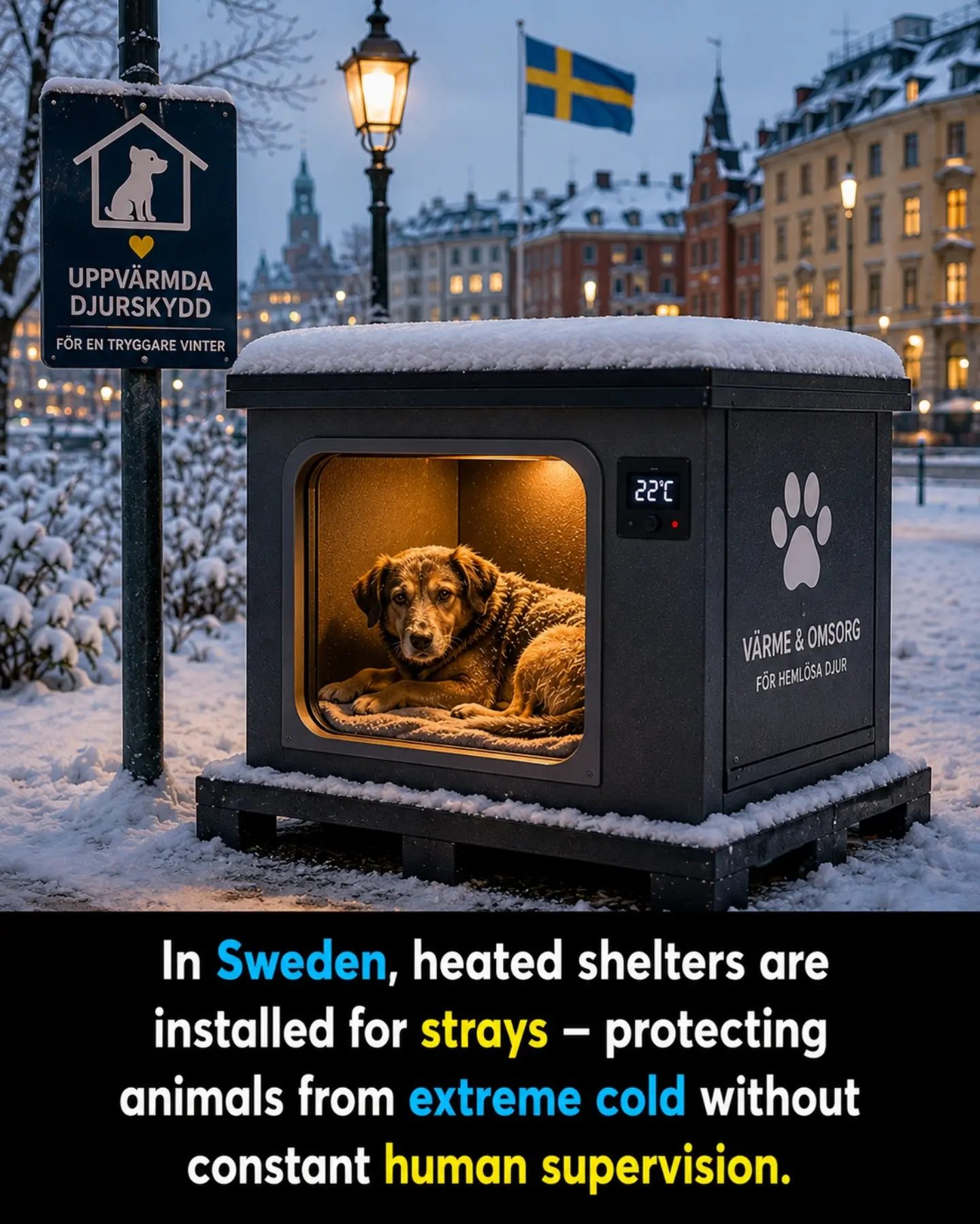
Heated Dog Shelters in Sweden
Heated dog shelters in Sweden offer a lifeline to stray animals during the harsh winter months. These shelters provide a safe and warm haven, ensuring that animals can endure the cold without constant human supervision. As temperatures drop, these shelters become crucial for the survival and well-being of strays.
Context / Why This Matters
Sweden's winters are notoriously cold, with temperatures often plummeting well below freezing. For stray animals, this poses a significant threat to their survival. Traditional shelters or simple dog houses may not offer enough protection from the extreme cold. Heated shelters, however, are specifically designed to maintain a comfortable temperature, typically around 22°C, ensuring that animals can seek refuge and stay warm.
These shelters are not just about warmth; they also provide protection from the elements. By offering a safe space, they help reduce the stress and vulnerability that stray animals face in harsh conditions. This initiative is particularly important in urban and rural areas where stray animals are common, providing a lifeline during the toughest months of the year.
Additionally, these shelters do not require constant human supervision, which makes them a practical and scalable solution. They are designed to operate autonomously, ensuring that animals have access to warmth and safety around the clock.
Main Discussion
The Design and Functionality
Heated dog shelters are typically made from durable, insulated materials that can withstand the harsh Swedish winters. The internal heating system is designed to maintain a comfortable temperature, usually around 22°C, creating a cozy environment for the animals. The shelters are also equipped with ventilation to ensure proper air circulation, preventing condensation and maintaining a healthy environment.
The design of these shelters is thoughtful, with ample space for animals to move around and nestle comfortably. Some shelters are designed to accommodate multiple animals, promoting socialization and reducing stress.
Installation and Placement
Heated shelters are strategically placed in areas known for high stray animal populations. These locations include parks, alleys, and other public spaces where stray animals are likely to seek refuge. The shelters are often installed in collaboration with local animal welfare organizations, ensuring that they are placed in the most effective locations.
The installation process is straightforward, with shelters being secured to the ground to prevent them from being moved or damaged. The heating system is powered by electricity, with some models offering solar-powered options for remote or off-grid locations.
Benefits for Animals and Community
For stray animals, these shelters provide more than just warmth; they offer a sense of security and comfort. The shelters reduce the risk of animals succumbing to the cold, which is a significant concern during Sweden's harsh winters. Additionally, by providing a safe space, the shelters help reduce the stress and vulnerability that stray animals face in harsh conditions.
For the community, the presence of heated shelters can have a positive impact. They show a commitment to animal welfare, fostering a sense of compassion and responsibility towards stray animals. Furthermore, by reducing the number of animals on the streets, these shelters contribute to a cleaner and safer environment.
Collaboration with Animal Welfare Organizations
The installation and maintenance of heated dog shelters often involve collaboration with local animal welfare organizations. These organizations play a critical role in identifying areas with high stray animal populations and ensuring that the shelters are placed in the most effective locations. They also provide ongoing support, such as checking the shelters regularly to ensure they are functioning properly and addressing any issues that arise.
Additionally, these organizations often work with volunteers and community members to educate the public about the importance of animal welfare and the role that heated shelters play in protecting stray animals. This collaborative effort helps to create a more compassionate and aware community, where everyone plays a part in caring for animals.
Practical Tips
Choosing the Right Location
When placing a heated dog shelter, it's essential to choose a location that is easily accessible to stray animals but also safe and secure. Here are some tips for choosing the right location:
- High Traffic Areas: Places with high pedestrian or animal traffic, such as parks and alleys, are ideal.
- Safety and Security: Ensure the shelter is placed in a secure area, away from potential hazards like busy roads or high-traffic areas.
- Visibility: While the shelter should be accessible, it should also be visible to the community, promoting awareness and reducing the risk of vandalism.
Maintenance and Monitoring
Regular maintenance and monitoring are crucial to ensure that the heated shelter functions effectively. Here are some practical tips:
- Regular Checks: Inspect the shelter regularly to ensure it is clean, functional, and free from damage.
- Cleaning: Keep the shelter clean to prevent the buildup of debris or harmful substances.
- Repair and Maintenance: Address any issues promptly, such as fixing broken heating elements or repairing damaged insulation.
Community Engagement
Engaging the community is key to the success of heated dog shelters. Here are some ways to involve the community:
- Public Awareness: Educate the public about the importance of animal welfare and the role that heated shelters play.
- Volunteer Programs: Encourage community members to volunteer their time to help with maintenance and monitoring.
- Fundraising: Organize fundraising events to support the installation and maintenance of heated shelters.
Important Takeaways
Heated dog shelters in Sweden offer a vital solution for protecting stray animals during the harsh winter months. By providing warmth and a safe haven, these shelters significantly improve the well-being and survival rates of animals. The design, placement, and maintenance of these shelters are crucial factors that ensure their effectiveness. Community engagement and collaboration with animal welfare organizations play a significant role in the success of these initiatives.
Conclusion
Building heated dog shelters in Sweden is a practical and compassionate approach to protecting stray animals during the winter. These shelters not only provide warmth and comfort but also contribute to a healthier and safer environment for both animals and the community. By choosing the right location, maintaining the shelters, and engaging the community, we can ensure that these shelters continue to make a positive impact on animal welfare.
Watch the Reel
Questions readers ask
How do heated shelters in Sweden help stray animals during winter?
Heated shelters in Sweden are designed to maintain a comfortable temperature, typically around 22°C, which provides a safe haven for stray dogs and other animals. These shelters are crucial for animal survival in the extreme cold of Swedish winters.
What makes Swedish heated shelters different from traditional dog houses?
Swedish heated shelters are specifically engineered to maintain a consistent internal temperature, unlike traditional dog houses which may not offer adequate protection from the harsh winter cold. This makes them more effective in ensuring the well-being of stray animals without constant human supervision.
How do heated shelters support animal survival in winter?
Heated shelters support animal survival by providing a warm and safe space that protects animals from the elements. This is particularly important in Sweden, where temperatures can drop well below freezing, posing a significant threat to stray animals.
Can heated shelters in Sweden operate without human supervision?
Yes, heated shelters in Sweden are designed to operate autonomously, ensuring that animals have access to a warm and safe space even when there is no human intervention. This is a key feature of the shelters, as it allows animals to seek refuge from the cold.
What are some benefits of heated shelters for stray animals?
Heated shelters provide a lifeline to stray animals during the harsh winter months, offering a comfortable and protected space that supports their well-being and survival. They help animals endure the cold without constant human oversight.
Why are heated shelters important for animal care in Sweden?
Heated shelters are crucial for animal care in Sweden due to the country's notoriously cold winters. These shelters provide a warm and safe haven for stray animals, helping them endure the extreme winter conditions and ensuring their survival.
Related deep dives
Similar reads based on topic and creator.




Recent articles
Fresh deep dives from the latest Reels we unpacked.




Comments
Be the first to comment.