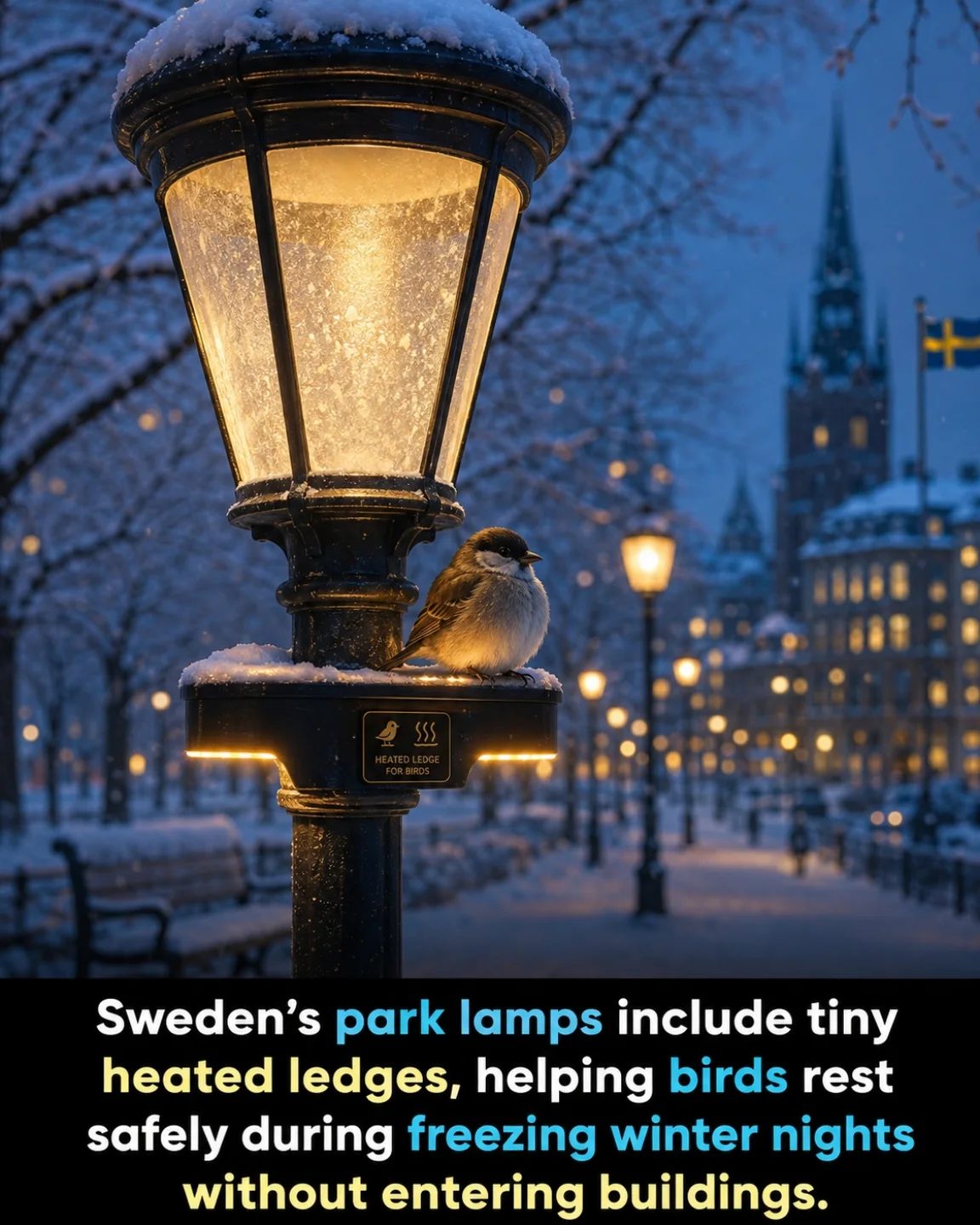
Heated Bird Perches in Sweden: Urban Design for Avian Conservation
Sweden's approach to urban design includes thoughtful features that benefit both humans and local wildlife. In particular, the country's park lamps are equipped with small heated ledges specifically designed for birds. These ledges serve as safe resting spots for birds during Sweden's harsh winter nights, offering a warm refuge amidst the snowy landscape.
Why This Matters
In Sweden, where winter nights can be severely cold, birds face significant challenges in finding safe and warm places to rest. By integrating heated ledges into park lamps, urban planners have found a creative way to support local bird populations while enhancing the aesthetics and functionality of public spaces. This innovative design ensures that birds can perch and rest without needing to enter buildings, thereby reducing potential conflicts with humans and maintaining the natural behavior of these creatures.
The Design and Function of Heated Bird Perches
Integrating Heated Ledges into Park Lamps
The heated ledges are strategically incorporated into the design of park lamps, providing a dual purpose: illumination for human visitors and a warm resting place for birds. This design choice not only enhances the utility of the lamps but also contributes to the overall health and well-being of local bird populations.
Ensuring Safety and Comfort for Birds
The design of these heated ledges is carefully considered to ensure the safety and comfort of the birds. The ledges are positioned at a height and angle that allow birds to perch comfortably without slipping or falling. The heating element is designed to maintain a consistent temperature that is warm enough to keep the birds comfortable but not so hot that it poses a risk of injury.
The Role of Heated Ledges in Bird Conservation
Incorporating heated ledges into park lamps also plays a significant role in bird conservation efforts. During freezing winter nights, birds often struggle to find suitable resting places, leading them to seek shelter in buildings or other potentially dangerous locations. By providing a safe and warm alternative, these ledges help reduce the risk of bird-related incidents and promote the natural behavior of the birds.
Practical Tips for Bird-Friendly Urban Design
Emphasizing Dual-Purpose Structures
For cities looking to implement similar designs, it's essential to focus on dual-purpose structures. By integrating elements that serve multiple functions, urban planners can create more efficient and sustainable urban environments. For example, park lamps can also include additional features such as bird-friendly lighting or nesting boxes to further support local wildlife.
Engaging with Local Bird Conservation Groups
Collaborating with local bird conservation groups can provide valuable insights into the specific needs and behaviors of local bird populations. These organizations often have extensive knowledge and experience in bird conservation, making them an invaluable resource for urban planners. By working together, cities can develop more effective and targeted strategies for supporting local wildlife.
Important Takeaways
The integration of heated ledges into park lamps in Sweden offers a compelling example of how urban design can be adapted to support local wildlife. By providing a safe and warm resting place for birds during freezing winter nights, these ledges help reduce conflicts with humans and promote the natural behavior of the birds. Additionally, this innovative design highlights the importance of dual-purpose structures and the value of collaborating with local conservation groups.
Conclusion
Sweden's heated bird perches on park lamps serve as a model for urban design that prioritizes the well-being of both humans and local wildlife. This thoughtful approach to urban planning not only enhances the functionality and aesthetics of public spaces but also supports the natural behaviors of local bird populations. By embracing similar strategies, cities around the world can create more sustainable and wildlife-friendly environments.
Watch the Reel
Questions readers ask
How do Sweden's park lamps help birds during winter?
Sweden's park lamps feature heated ledges that provide birds with a warm and safe resting spot during cold winter nights. This design helps birds conserve energy and stay protected from the harsh winter conditions.
What makes Sweden's park lamps an innovative urban design?
The integration of heated bird perches into park lamps is a unique and forward-thinking approach to urban design. It addresses the needs of local bird populations while enhancing the functionality and aesthetics of public spaces.
Are the heated ledges safe for birds?
Yes, the heated ledges are designed to be safe for birds. They provide a warm refuge without requiring any direct human interaction, allowing birds to rest comfortably and undisturbed.
What kind of impact does this design have on urban bird populations?
This design has a positive impact on urban bird populations by providing them with much-needed warmth and safety during harsh winter nights. By offering a safe resting spot, it supports the well-being and survival of local bird species.
How are these heated perches integrated into the park lamps?
The heated perches are small, heated ledges that are built into the structure of the park lamps. They are designed to be easily accessible to birds while blending seamlessly with the overall design of the lamp.
Can other cities adopt this bird-friendly design?
Yes, the concept of integrating heated bird perches into urban infrastructure can be adopted by other cities. It serves as a model for creating urban spaces that are both functional for humans and beneficial for local wildlife.
What are the benefits of this design for urban planning?
This design offers multiple benefits, including enhanced urban biodiversity, improved aesthetics of public spaces, and a practical solution to support local bird populations. It demonstrates how urban planning can address both human and environmental needs.
Related deep dives
Similar reads based on topic and creator.


Recent articles
Fresh deep dives from the latest Reels we unpacked.




Comments
Be the first to comment.