Sweden's Innovative Approach to Waste Management
Sweden's waste management system is a global leader in efficiency, particularly when it comes to recycling and waste-to-energy initiatives. The country's waste management capabilities are so advanced that Sweden has exceeded the limits of domestic waste and now imports trash to sustain its extensive waste-to-energy infrastructure. This approach not only addresses the issue of waste disposal but also significantly contributes to the nation's energy needs.
Why This Matters
Understanding the mechanics and outcomes of Sweden's waste management strategy offers valuable insights into sustainable waste solutions. This approach highlights how efficient recycling and waste-to-energy systems can address environmental challenges while simultaneously meeting energy demands. It serves as a compelling case for other countries to explore similar models, potentially reducing carbon emissions and lessening the burden on landfills.
The Intricacies of Sweden’s Waste Management
The Recycling Success Story
Sweden's recycling program is exceptionally efficient. This system is so effective that the country has essentially run out of its own waste. As a result, Sweden now imports approximately 800,000 to 1.3 million tons of waste annually from neighboring countries such as the UK, Norway, Ireland, and Italy. This imported waste is crucial for maintaining the operation of Sweden's 33–34 waste-to-energy plants, which process waste into energy. The core of this program relies on high-tech incinerators that convert waste into heat and electricity, providing energy to around 1.2-1.5 million Swedish households and electricity to approximately 780,000-940,000 more.
The Role of Waste-to-Energy Plants
The waste-to-energy plants in Sweden are a marvel of modern engineering. These facilities are designed to handle large volumes of waste, converting it into a usable energy source. Less than 1% of Swedish household waste reaches a landfill, ensuring minimal environmental impact.
These plants operate on a mixed fuel source, which includes waste and biofuel, and are designed to switch to alternative energy sources like waste or biofuel if necessary. Sweden's entire energy grid is balanced — around 80% of the country's power is derived from hydro and nuclear energy. Waste-to-energy remains a meaningful but not dominant source of electricity. It accounts for roughly a fifth of Sweden's district heating, emphasizing its role in the country's energy mix.
Recycling Bins and Waste Sorting
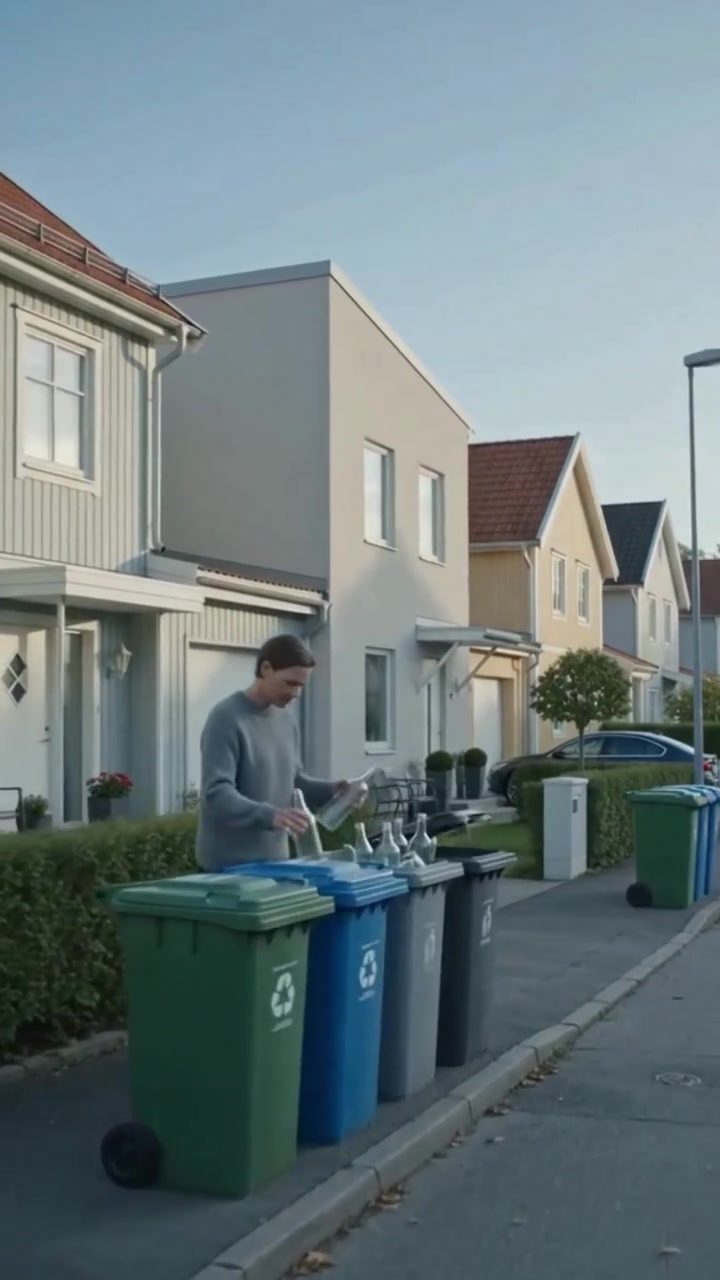
Recycling bins play a critical role in sorting waste. In Sweden, different colored bins indicate different types of waste, ensuring that materials are correctly separated for efficient recycling. The visual summary of recycling bins in residential areas highlights the organized and systematic approach to waste management. This method ensures that each type of waste is processed appropriately, maximizing the efficiency of the recycling and waste-to-energy programs.
The Importance of Imported Waste
The logistics of importing waste are as intricate as the process of converting it into energy. Large shipping containers labeled "IMPORTED WASTE" are transported to ports and industrial areas, where they are then processed. These containers are a symbol of Sweden's innovative approach to waste management, as they illustrate the country’s reliance on imported waste to keep its waste-to-energy plants operational. This facet of the waste management system showcases how Sweden has turned a potential liability into a valuable resource.
Practical Tips for Effective Waste Management
- Invest in Advanced Recycling Technology: Highly efficient recycling and waste-to-energy systems are critical for reducing waste and converting it into usable energy. This involves investing in advanced recycling technology and infrastructure.
- Encourage Public Participation: Encourage household waste sorting and recycling through public awareness campaigns and incentives. Clear labeling of waste bins and easy access to recycling facilities can significantly enhance public participation.
- Develop a Circular Economy: Transitioning to a circular economy, where waste is minimized, and resources are reused, can help reduce the reliance on importing waste. This involves designing products for longevity, reusability, and recyclability.
- Implement High-Tech Incinerators: High-tech incinerators that convert waste into heat and electricity are essential for effective waste management. These facilities not only reduce the volume of waste but also contribute to the energy supply.
- Ensure Comprehensive Waste Management: Implement a comprehensive waste management system that includes sorting, recycling, and waste-to-energy conversion. This ensures that waste is processed efficiently and that the environmental impact is minimized.
Important Takeaways
Sweden's waste management model serves as a global example of sustainable waste solutions. The country's approach to recycling and waste-to-energy conversion has significantly reduced the environmental impact of waste and contributed to the nation's energy needs. By investing in advanced technology, promoting public participation, and transitioning to a circular economy, other countries can adopt similar models to address their waste management challenges.
Conclusion
Sweden's innovative waste management strategy provides a roadmap for sustainable and efficient waste solutions. By converting waste into energy, Sweden has demonstrated how waste management can contribute to energy security and environmental sustainability. This model highlights the importance of advanced technology, public participation, and a comprehensive waste management system in addressing global waste challenges. As countries grapple with waste management issues, Sweden's success story offers valuable insights and practical solutions for a sustainable future.
Watch the Reel
Questions readers ask
How does Sweden's waste management system work?
Sweden's waste management system is highly efficient, focusing on recycling and waste-to-energy processes. The country recycles nearly all of its waste, and any remaining waste is used to generate energy. This process involves converting waste into heat and electricity, which are then used to power homes and reduce the reliance on landfills.
Why does Sweden import waste from other countries?
Sweden imports waste from other countries because its waste-to-energy capabilities have exceeded the domestic supply. This imported waste is used to sustain the energy production in the country's waste-to-energy plants, which generate heat and electricity.
What are waste-to-energy plants and how do they contribute to Sweden's energy production?
Waste-to-energy plants are facilities that convert non-recyclable waste into energy. In Sweden, these plants generate heat and electricity from waste, contributing to the country's overall energy production. This process is integral to Sweden's sustainable energy initiatives, reducing waste disposal issues and meeting the nation's energy needs.
What benefits does Sweden's waste management system have for the environment?
Sweden's waste management system significantly reduces the amount of waste sent to landfills. By recycling and using waste to generate energy, the country lowers its carbon footprint and reduces the dependency on fossil fuels. This approach also supports Sweden's effort to maintain clean and sustainable energy sources.
How efficient is Sweden's waste management system in comparison to other countries?
Sweden's waste management system is considered one of the most efficient globally. The country recycles nearly all of its waste and has even exceeded its domestic waste capacity, requiring it to import waste from other countries. This efficiency is a result of robust recycling programs and advanced waste-to-energy technologies.
How does Sweden's waste-to-energy process generate heat for homes?
Sweden's waste-to-energy process involves burning non-recyclable waste at high temperatures, which produces heat. This heat is then converted into energy and used to power homes through district heating systems. This process not only provides a sustainable energy source but also reduces the need for traditional heating methods.
What are the challenges Sweden faces in maintaining its waste management model?
Sweden faces challenges in maintaining its waste management model due to the limited supply of domestic waste. To sustain its waste-to-energy plants, Sweden needs to import waste from other countries. Additionally, the process requires continuous investment in technology and infrastructure to ensure efficient waste disposal and energy production.
Related deep dives
Similar reads based on topic and creator.


Recent articles
Fresh deep dives from the latest Reels we unpacked.




Comments
Be the first to comment.