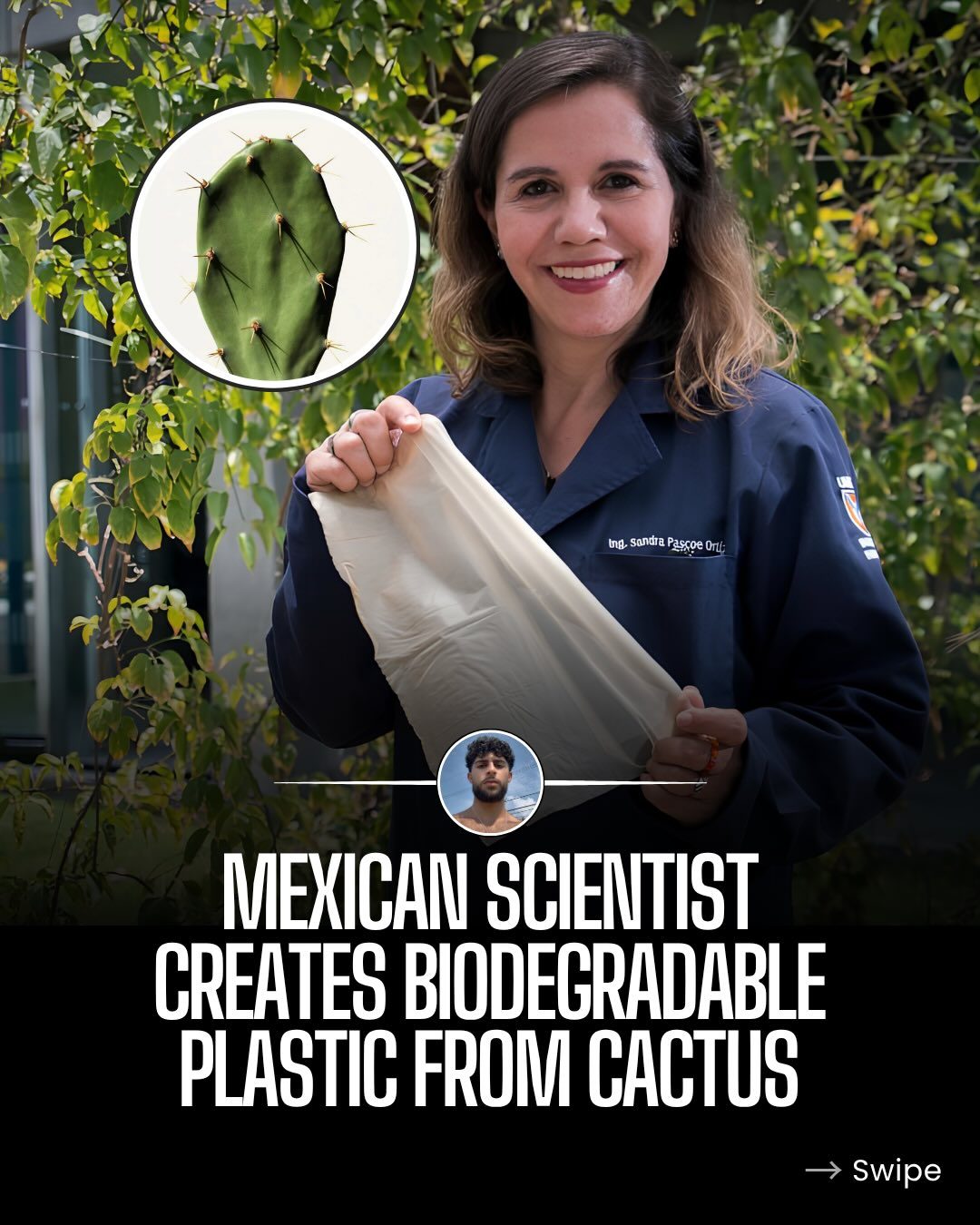
Biodegradable Cactus Plastic
Biodegradable cactus plastic, developed by Sandra Pascoe Ortiz, is revolutionizing the way we think about waste and sustainability. This innovative material offers a promising solution to the environmental challenges posed by traditional plastics. The plastic is derived from the nopal (prickly pear) cactus, one of the most abundant and resilient plants in Mexico. This plant-based alternative biodegrades naturally in soil within about one month, and can even dissolve faster in water or compost, making it a significant advancement over conventional petroleum-based plastics.
How Cactus Plastic Works
Composition and Properties
Sandra Pascoe Ortiz's bioplastic is made from the juice of the nopal cactus, which is rich in natural sugars, pectin, and mucilage. These components, combined with other non-toxic, plant-based additives, create a material that is both durable and biodegradable. The process involves harvesting a few leaves from each plant, ensuring that the cactus continues to grow and regenerate. This sustainability is a key factor in the appeal of cactus-based plastic, as it minimizes the environmental impact of production.
Biodegradability
Unlike traditional plastics, which can take hundreds of years to break down and leave behind harmful microplastics, cactus-based plastic biodegrades within about one month when buried in soil. This rapid decomposition is a game-changer in the fight against plastic pollution. In addition, the material can dissolve even faster, sometimes in just 7 days, when immersed in water or compost. This feature is particularly beneficial for reducing marine pollution, as fish and other marine life can ingest it without harm.
Why This Matters
Environmental Impact
The environmental benefits of biodegradable cactus plastic are immense. Traditional plastics contribute to a significant portion of global waste and pollution, causing harm to ecosystems and marine life. The nopal cactus, however, offers a sustainable alternative that can help mitigate these issues. By reducing the amount of time it takes for plastic to decompose, cactus-based plastic minimizes the accumulation of waste in landfills and oceans, leading to a cleaner, healthier planet.
Safety for Marine Life
One of the most concerning aspects of traditional plastic waste is its impact on marine life. Marine animals often mistake plastic for food, leading to ingestion and injury. Cactus-based plastic is non-toxic and safe for both humans and animals, making it a safer option for marine ecosystems. This safety feature is crucial for reducing the harmful effects of plastic pollution on marine life and preserving biodiversity.
Practical Tips
Using Biodegradable Cactus Plastic
While biodegradable cactus plastic is still in the early stages of development, there are several ways to incorporate it into daily life. Look for products made from this innovative material, such as packaging, utensils, and containers. By choosing cactus-based plastic over traditional plastics, consumers can help reduce their environmental footprint and support sustainable practices.
Supporting Sustainable Practices
To further support the use of biodegradable cactus plastic, consider the following tips:
- Choose Reusable Items: Opt for reusable items whenever possible. This reduces the need for single-use plastics and supports a more sustainable lifestyle.
- Recycle Responsibly: When recycling is an option, ensure that you follow local guidelines to maximize the effectiveness of the recycling process.
- Support Innovative Solutions: Look for companies and products that prioritize sustainability and innovation in their practices. By supporting these initiatives, you can help accelerate the adoption of environmentally friendly materials like cactus-based plastic.
Important Takeaways
The Benefits of Cactus Plastic
Biodegradable cactus plastic offers a range of benefits, including rapid biodegradability, non-toxicity, and safety for marine life. These features make it a promising alternative to traditional plastics, which contribute to significant environmental and health issues. The sustainable production process, which involves harvesting only a few leaves from each cactus plant, ensures that the material is both eco-friendly and efficient.
Future Prospects
The future of biodegradable cactus plastic looks promising. As research and development continue, we can expect to see more widespread adoption of this material in various industries. This innovation has the potential to transform the way we think about waste management and sustainability, leading to a cleaner, healthier planet for future generations.
Conclusion
Biodegradable cactus plastic, developed by Sandra Pascoe Ortiz, represents a significant step forward in the fight against plastic pollution. Its rapid biodegradability, non-toxicity, and safety for marine life make it an attractive alternative to traditional plastics. By adopting cactus-based plastic and supporting sustainable practices, we can help reduce our environmental impact and create a greener future. This innovative material offers a tangible solution to the challenges posed by plastic waste, paving the way for a more sustainable world.
Watch the Reel
Questions readers ask
What makes cactus plastic an eco-friendly alternative to traditional plastics?
Cactus plastic is eco-friendly because it is plant-based, non-toxic, and rapidly biodegradable. Unlike petroleum-based plastics, it does not leave behind harmful residues and can break down in soil, water, or compost, significantly reducing environmental impact.
How does cactus plastic help in reducing plastic waste?
Cactus plastic helps reduce plastic waste by providing a sustainable material that can replace conventional plastics. It biodegrades naturally in about a month, which can greatly reduce the accumulation of plastic waste in landfills and oceans.
What are the benefits of using cactus plastic over petroleum-based plastics?
Cactus plastic offers numerous benefits, including being a renewable resource, reducing carbon footprint, and minimizing harm to marine life. Additionally, it provides a non-toxic and petroleum-free alternative, which can help mitigate the environmental damage caused by traditional plastics.
How long does it take for cactus plastic to biodegrade?
Cactus plastic biodegrades rapidly, typically taking around one month to break down in soil. It can dissolve even faster in water or compost, making it a highly effective solution for reducing plastic waste.
What is the composition of cactus plastic?
Cactus plastic is primarily derived from the juice of the nopal (prickly pear) cactus, which is rich in natural sugars, pectin, and mucilage. These natural components make the material both sustainable and biodegradable.
How does cactus plastic contribute to marine life conservation?
By being a rapidly biodegradable and non-toxic alternative to traditional plastics, cactus plastic helps to reduce the amount of harmful plastic waste in oceans. This can significantly decrease the risk to marine life and contribute to more sustainable ocean ecosystems.
Can cactus plastic be used in daily learning routines or activities?
Yes, cactus plastic can be integrated into daily routines and activities, especially in environments where sustainability is a priority. Its eco-friendly properties make it suitable for various applications, from packaging materials to disposable items used in everyday life.
Related deep dives
Similar reads based on topic and creator.




Recent articles
Fresh deep dives from the latest Reels we unpacked.




Comments
Be the first to comment.