The Hidden Secrets of Playing Cards
Playing cards are more than just a tool for games and magic tricks. They are a rich tapestry of hidden meanings and symbolism that span centuries. From their numerical values to the suits they belong to, playing cards are packed with intricate details that often go unnoticed. Let's dive into the fascinating world of playing cards and explore the secrets they hold.
Historical and Numerical Symbolism
The standard deck of 52 playing cards is not a random assortment. Each element has a purpose and meaning. The 52 cards represent the 52 weeks in a year. The four suits—hearts, diamonds, clubs, and spades—each contain 13 cards, symbolizing the four seasons and the 13 weeks in each season. This division is not arbitrary; it reflects the natural cycles of the year.
The numerical values of the cards also carry significance. Count the ace as 1, the jack as 11, the queen as 12, and the king as 13. This numbering system adds depth to the deck. For instance, adding one joker to the deck results in 365, the number of days in a normal year. Adding both jokers brings the total to 366, matching a leap year. These subtle inclusions show that the design of the deck is far from random.
The Symbolism of the Suits
The suits of the playing cards also carried symbolic meanings, especially during the Middle Ages. Each suit had a specific association:
- Spades: Represented warriors and the nobility, symbolizing power and authority.
- Hearts: Symbolized the church and spiritual matters, reflecting the religious influence of the time.
- Diamonds: Stood for merchants and material wealth, highlighting the importance of trade and commerce.
- Clubs: Represented farmers and the agricultural sector, underscoring the foundational role of farming in society.
These associations add layers of meaning to the cards, making them more than just tools for gaming.
Printing Technology and Modern Applications
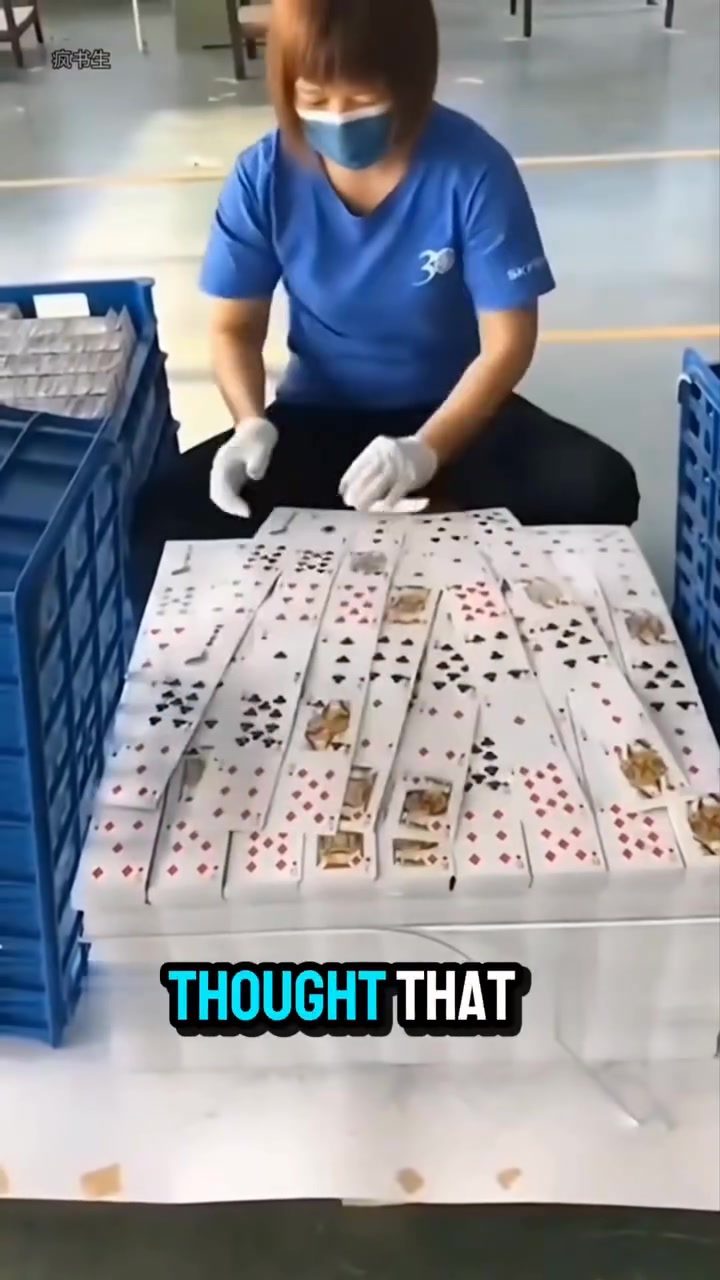
Today, the creation of playing cards has evolved with advanced printing technology. Portable printers are used to produce these cards at high speeds, showcasing the precision and efficiency of modern manufacturing.
The process of printing and packaging these cards is a marvel of speed and accuracy. Sheets of cards are rapidly printed by the portable printer, then stacked and packaged efficiently. A large image created using the cards themselves reveals a hidden image, demonstrating the versatility and potential of playing cards beyond traditional use.
Practical Tips for Playing Card Enthusiasts
For those who appreciate the art and history of playing cards, here are some practical tips to enhance your experience:
- Explore Custom Decks: Consider investing in custom decks that highlight the symbolism and hidden meanings. These decks often come with detailed explanations and can deepen your appreciation for the game.
- Learn Cardistry: Cardistry is the art of card manipulation. Learning cardistry tricks can help you appreciate the physical properties of the cards and their design.
- Study Card Symbolism: Delve into the historical and symbolic meanings of the cards. Understanding the origins and meanings can add a new dimension to your enjoyment.
- Collect Vintage Decks: Vintage playing cards often have unique designs and historical significance. Collecting these decks can be a fascinating hobby and a way to connect with the past.
- Use Cards in Art: The visual appeal of playing cards makes them a great medium for art. Experiment with creating mosaics, sculptures, or other art forms using playing cards.
Important Takeaways
Playing cards are more than just a pastime; they are a cultural artifact rich with symbolism and history. Understanding the numerical and symbolic meanings of the cards can enrich your gaming experience and appreciation for the design. Modern printing technology continues to push the boundaries of what playing cards can do, from high-speed manufacturing to artistic applications. Embracing the full depth of playing cards can transform a simple deck into a fascinating window into history and art.
Conclusion
The next time you pick up a deck of playing cards, take a moment to appreciate the layers of meaning and history embedded within each card. From the symbolic suits to the numerical values, every element has a purpose. Whether you are a casual player, a collector, or an artist, there is always more to discover in the world of playing cards.
Watch the Reel
Questions readers ask
What do the four suits in a standard playing card deck represent?
The four suits—hearts, diamonds, clubs, and spades—represent the four seasons. Each suit contains 13 cards, symbolizing the 13 weeks in each season. This structure reflects the natural cycles of the year, with the entire deck comprising 52 cards, mirroring the 52 weeks in a year.
Why are there 52 cards in a standard deck?
A standard deck contains 52 cards, which symbolically represent the 52 weeks of the year. This design choice highlights the connection between playing cards and the annual cycle, adding a layer of cultural and natural significance to the deck.
What is the significance of the number 13 in playing cards?
The number 13 in playing cards is significant because it represents the number of weeks in a season. Each of the four suits—hearts, diamonds, clubs, and spades—contains 13 cards. This numerical choice is not arbitrary; it underscores the relationship between the deck and the natural progression of the seasons.
How have playing cards evolved over time?
The evolution of playing cards reflects the passage of time, with various designs and symbols emerging from different cultural and historical contexts. The standard design we know today has roots in medieval Europe, but the symbolism and imagery have evolved to include elements from various cultures and eras.
What are some common hidden meanings in playing cards?
Playing cards are rich with hidden meanings. For example, the Ace can symbolize beginnings or new opportunities, while the King, Queen, and Jack often represent powerful figures or archetypes. The suits themselves can carry additional significance, with hearts often associated with love and emotions, diamonds with wealth, clubs with growth, and spades with challenges or death.
Related deep dives
Similar reads based on topic and creator.

Recent articles
Fresh deep dives from the latest Reels we unpacked.




Comments
Be the first to comment.