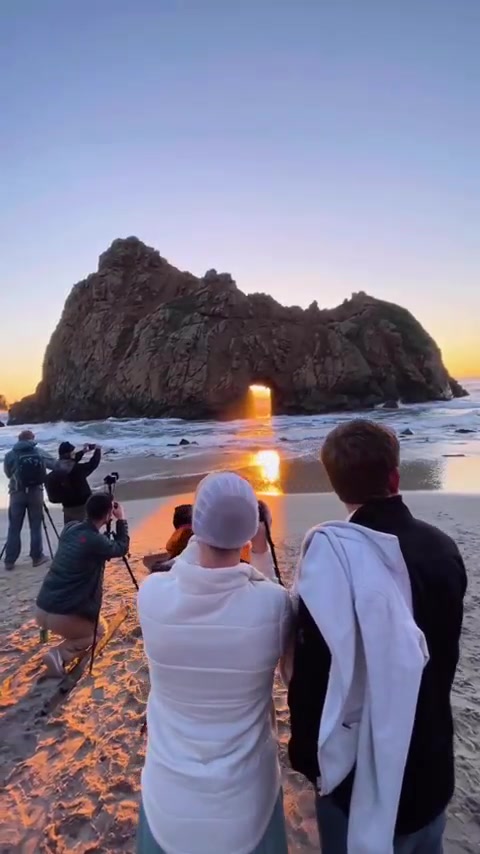
Summer photography is a beloved hobby, and the golden hours of sunset present one of its most picturesque challenges. These hours offer more than just beauty— they yield scenic shots that evoke emotional memories, such as a summer night in mid-July or the warm ocean waves. But why try to photograph a fleeting sunset rather than just enjoy it?
Chasing Light is the whole Point
Sunset photography is the art of capturing the fleeting beauty of the final moments of sunlight. The golden hour, when the sun dips low, casts a warm, diffused glow rich in oranges, pinks, and purples. This is the window when photographers toil to capture the moment, often using specialized equipment like tripods and cameras. The distinct hues offer moods that softly romanticize a scene. A rocky archway on a beach is a framing method popular with sunset photographers. Positioning the camera so that the sun shines through the opening bathes the arch in a warm glow, creating what's called a lens flare. Hues reflected on the water add depth to shots. Photographers must work quickly to make the shot. Timing is crucial, because the glow only lasts a few minutes. Camera settings and angle must be adjusted. The right tripod keeps your camera steady. Its ability to snap a shot of the whole scene is what makes it worth the effort. Another special skill is honing the eye to know the exact moment of the “magic hour.”.
Why It Matters: Visual Nostalgia
Capturing a sunset offers a visual anchor for memory. The dramas and emotions of a sunset enchant. For such moments are fleeting, these photos make us nostalgic. One summer night the poet, A. E. Housman, craved this wistful magic: “Summer nights, mid-July, when you and I were forever one.” This moment from a past sunset when you feel forever connected, echoes back and the golden light is all the more beloved. The timelessness of sunset photos is why they make good gifts, wall art, and postcards. The glow can be a time-stamp for memories, because the way sunset changes is predictable. It will melt the hours whenever you look at it. No other photo can do that. When autumn or winter comes, sunsets subtly evoke warmer memories.
The Art of Sunset Photography
The Strokes That Define the Scene
Camera setup varies based on the scene. A tripod keeps a camera steady, and a long exposure allows more light to reach the camera sensor. Keep your camera’s lens clean. Some photographers use advanced features, like aperture priority mode, which controls the lens opening. Others control shutter speed to achieve a precise light effect. It’s often a matter of timing. A slightly wrong timing will fail to capture that perfect glow or achieve full intensity.
The Horizon Line
Every shot starts with a clear horizon. This means that the horizon must be straight and flat. It should be level, so the ocean and sky aren’t slant. It’s natural that the tripod will move as you focus. Always double-check that it is straight. The horizon can be a key storytelling element, because it frames the scene and determines the focus.
The Right Angle
Whenever the sun peeks from behind a rock arch, the rock casting shadows casts a dark layer over the horizon. It is best to frame the shot from the middle of the horizon. Not too high and not too low. The frame will cover the rock from top to bottom, and not just half of it. The light can balance around the rock arch. The ocean below will yield the final touch to the photo. This frame can draw the eye to the sunlit top of the arch.
Lens Flare
The golden glow occurs when the lens flares up. If the sun's rays hit the lens directly, it can bloom into a bright, star-like shape. Some photographers want to get a little flare. It adds a bit of dynamism to a photo. However, some photographers use hoods to avoid flare, because it can be too bright. But flare is itself a distinctive feature of sunset photography. It is what gives it a romantic ambiance. Its fashionable use in modern photography creates emotive reactions.
The Reflection
Natural light plays a trick in ocean water. As the ocean reflects the sunset, it offers the same warm hues. The only difference is that the water looks darker. What makes reflections special is that the ocean horizon is higher than the horizon in the sky. The trick is to balance the two horizons to achieve a flawless final product. If the ocean horizon is too high, then the reflection won’t be achieved. Other tricks include using a high shutter speed to make the water look stony. Try using a rock near the ocean for better framing. You could also take shots in different hours of the sunset to capture different hues, and combine them by layering.
Get the Shot: A Photographer’s Guide
- Choose the right location: Sunset photography requires different lighting environments. This might mean finding a spot where the sun will shine through something specific. A natural rock arch is a favorite.
- Be spontaneous: The golden hour is a window of 15–30 minutes. If you're not ready, you lose the moment. Don’t wait for picturesque framing. Focus on availability of the best angle and then shoot.
- Carry adequate gear: Bring your camera, tripod, and a camera lens so that your pictures don’t look fuzzy. Bring a hood for cases when you don’t want flare.
- Check your settings: If your pictures are too dark or light, check your aperture and shutter speed. You need to experiment a lot to get the perfect shot. Speed and precision are vital due to the fleeting nature of the sunset.
- What’s the horizon: This is key. An off-level horizon ruins a photo. During the excitement of taking pictures, check that the camera’s balance is steady, and that the horizon is straight.
- Take multiple photos: This will help you adjust to the best angle. Different angles in a single location will vary the rushes of sunlight caught.
Reflections of Time
Sunset photography is more than just capturing a pleasant scene, it’s a way to store those few minutes when the world glowed. Every shoot is a new moment. Each offers a unique blend of hues and textures. And lessons learned along the way can be applied to a more dramatic sunset.
Watch the Reel
Related deep dives
Similar reads based on topic and creator.

Recent articles
Fresh deep dives from the latest Reels we unpacked.




Comments
Be the first to comment.