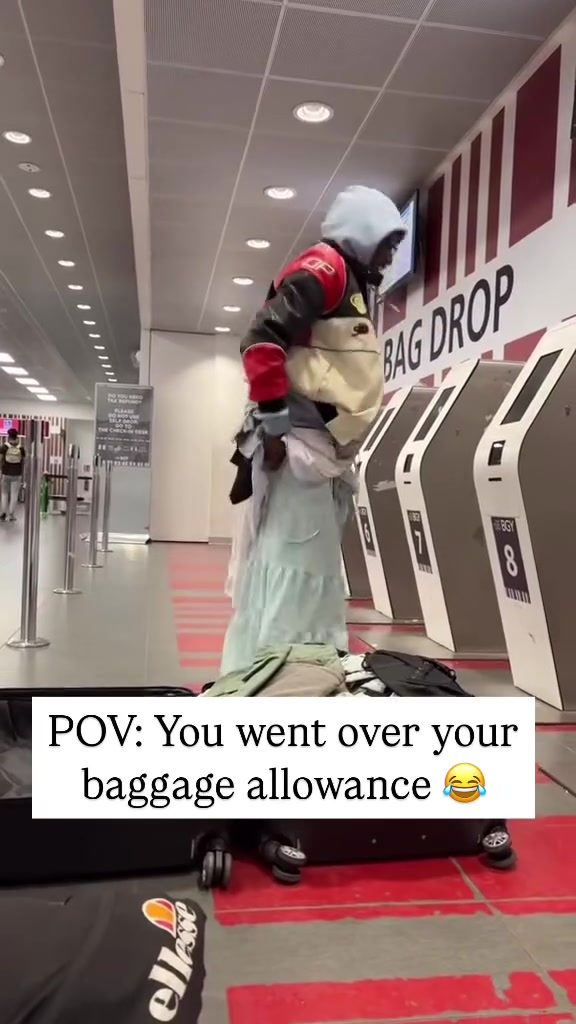
Baggage Drop at Airports
Navigating the baggage drop-off area at airports can be a challenge, especially when you've exceeded your allowance. This scenario is all too familiar for many travelers, and it's often a source of humor and frustration. Let's dive into the nuances of baggage drop-offs, why they matter, and how to manage them effectively.
Context / Why This Matters
Air travel has become a staple of modern life, whether for business or leisure. However, the logistics of baggage drop-off can turn a smooth journey into a stressful one. Understanding the rules, preparing adequately, and knowing what to do when you exceed your allowance can save you time and hassle.
Main Discussion
Understanding Baggage Allowances
Baggage allowances vary widely depending on the airline, class of travel, and specific flight. Typically, airlines provide clear guidelines on the number of bags, weight limits, and size restrictions. For example, ellesse luggage often features on airline check-in lists. Ellesse, known for its durable and stylish designs, is a popular choice for travelers but can still fall victim to weight limits. Familiarize yourself with these rules before your trip to avoid surprises at the airport.
Types of Baggage Allowances
- Checked Baggage: These are the bags you hand over to the airline, which they store in the aircraft’s hold. Each airline has a specific weight and size limit, varying from 15 to 32 kilograms (33 to 70 pounds) per bag.
- Carry-On Baggage: These are smaller bags you keep with you in the cabin. They usually have strict size limits, and the number allowed varies by airline.
- Excess Baggage Fees: If you exceed your allowed baggage, you'll likely face additional fees. These can be hefty, so it's crucial to plan accordingly.
Self Bag Drop Areas
Self bag drop areas, like the one mentioned in the video, are becoming increasingly common. These automated kiosks allow travelers to check in and drop off their luggage without needing to interact with a check-in agent. Be aware, however, that even with self-service options, exceeding your baggage allowance will still incur additional charges.
Strategies for Managing your luggage
Packing Light
One of the best ways to avoid exceeding your baggage allowance is to pack light. This might mean carefully selecting only the essentials, using packing cubes to maximize space, and choosing lightweight clothing and accessories.
Splitting Luggage
If you're traveling with someone, consider splitting your belongings between multiple bags. This way, if one bag exceeds the weight limit, you can redistribute the items to balance out the load.
Knowing the Rules
Double-check the baggage rules for your specific flight. Airlines often have different policies, and even within the same airline, rules can change based on the route or class of travel.
Practical Tips
- Weigh Your Bags: Before heading to the airport, weigh your bags on a reliable scale. This ensures you're within the limits and avoids unpleasant surprises at the check-in.
- Leave Room for Souvenirs: If you're planning to buy items during your trip, leave some space in your bags for souvenirs. Alternatively, consider shipping larger items home.
- Use Packing Cubes: These tools help organize your luggage and maximize space, making it easier to fit everything within the allowed limits.
- Check for Upgrades: Some airlines offer the option to purchase additional baggage weight or size allowance before your flight. This can be a cost-effective way to ensure you're within the limits.
Important Takeaways
Navigating the baggage drop area can be a breeze with the right preparation. Key takeaways include understanding your airline’s specific baggage rules, using self-bag drop areas efficiently, and employing practical tips to manage your belongings effectively. By staying informed and prepared, you can streamline your check-in process and avoid unnecessary stress.
Conclusion
Whether you're a seasoned traveler or a first-time flyer, mastering the art of baggage drop can significantly enhance your travel experience. By following the guidelines and tips outlined, you can ensure a smoother journey from check-in to your final destination.
Watch the Reel
Questions readers ask
What are the typical baggage allowance rules for airlines?
Baggage allowance rules differ among airlines, but generally, they allow one or two checked bags with a total weight limit, usually between 23-32 kilograms (50-70 pounds) each. Carry-on luggage must fit within specific size dimensions and weight limits, often around 22 x 14 x 9 inches (56 x 36 x 23 cm) and 7-10 kilograms (15-22 pounds). Always check your specific airline's policy before packing.
What happens if I exceed my baggage allowance at the airport?
If you exceed your baggage allowance, you'll likely face additional fees, often charged per kilogram or pound over the limit. These fees can be significant, so it's best to weigh your bags before leaving for the airport. Some airlines may allow you to pay for extra baggage allowance in advance, which can save you money and time at the airport.
Can I bring extra items like liquids or electronics in my carry-on?
Yes, but these items must adhere to specific rules. Liquids should be in containers no larger than 100ml (3.4 ounces) and fit into a clear, resealable plastic bag. Electronic devices, such as laptops and tablets, should be easily accessible for screening. Always keep in mind that TSA or other security agencies have the final say in what is allowed in carry on luggage.
What are some tips for packing efficiently to avoid exceeding baggage limits?
To pack efficiently, use lightweight luggage and distribute items evenly. Wear bulky items like jackets and boots on the plane instead of packing them. Use packing cubes or compression bags to maximize space. Roll your clothes instead of folding to reduce wrinkles and save space. Be mindful of liquids and heavy items like books or shoes.
Are there any exceptions or special considerations for baggage allowances?
Some airlines offer additional baggage allowance for travelers with specific needs, like families, seniors, or frequent flyers. Military personnel may also have special allowances. Always check with your airline in advance. If you are traveling with special items, like sports equipment or musical instruments, you may need to pay extra fees or have specific documentation.
What should I do if I'm not sure about my airline's baggage policy?
If you're unsure about your airline's baggage policy, visit their website or contact their customer service for detailed information. Most airlines provide clear guidelines on their websites. Also, consider checking your booking confirmation or the app for your specific flight, as this information is often included.
How can I avoid surprises when checking in at the baggage drop-off area?
To avoid surprises, weigh your bags at home and double-check the size and weight limits of your airline. Arrive at the airport with plenty of time for check-in and baggage drop-off. Travel light when possible, and consider using a luggage scale and measuring tape to ensure compliance with airline regulations.
Related deep dives
Similar reads based on topic and creator.




Recent articles
Fresh deep dives from the latest Reels we unpacked.




Comments
Be the first to comment.