
Strawberry Field Spraying Practices
Strawberry fields often evoke images of lush, green rows and ripe, red fruit. However, the process of growing these sweet berries involves more than just planting and harvesting; pesticides play a significant role in modern farming. Understanding the complexities of pesticide use in strawberry fields sheds light on the broader agricultural practices and their impact on both human health and the environment.
Context / Why this matters
Pesticides are chemical substances used to control pests, including insects, weeds, and fungi, that can damage crops. In the case of strawberry fields, pesticides are commonly used to protect the plants from pests and diseases, ensuring a bountiful harvest. However, the use of these chemicals raises important questions about the safety of our food supply and the environmental impact of agricultural practices.
Main discussion
The Role of Pesticides in Strawberry Fields
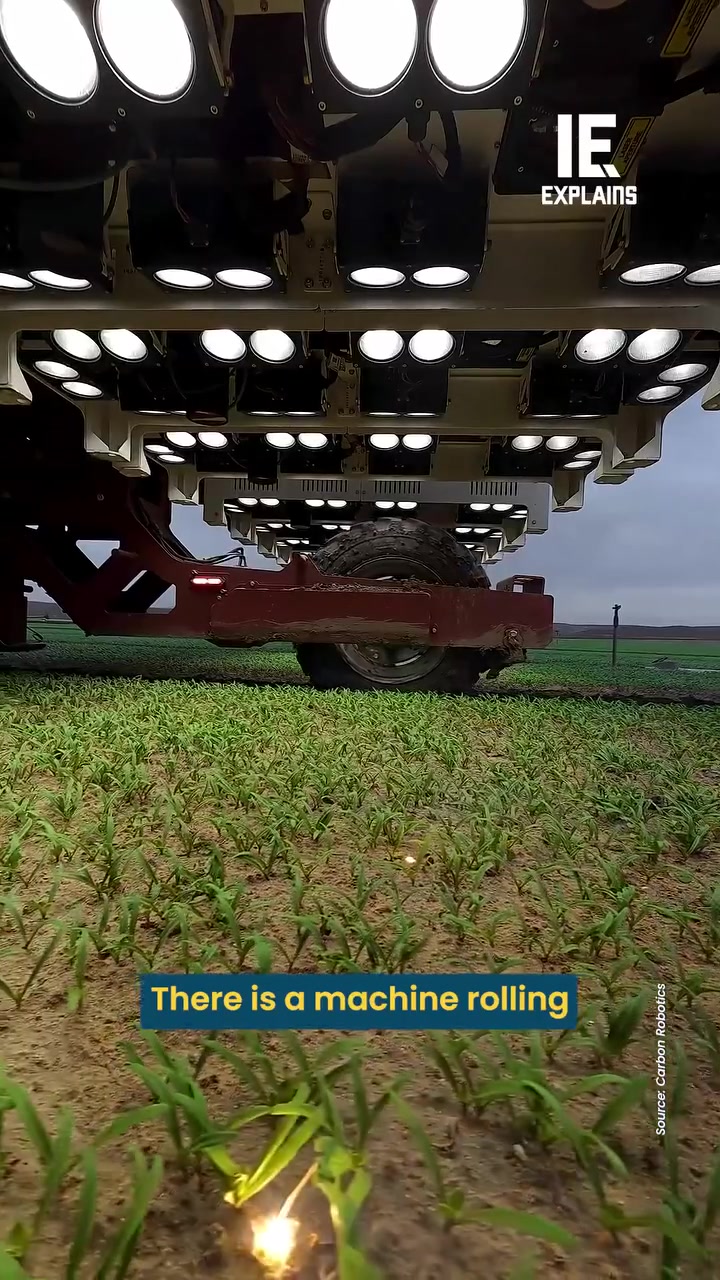
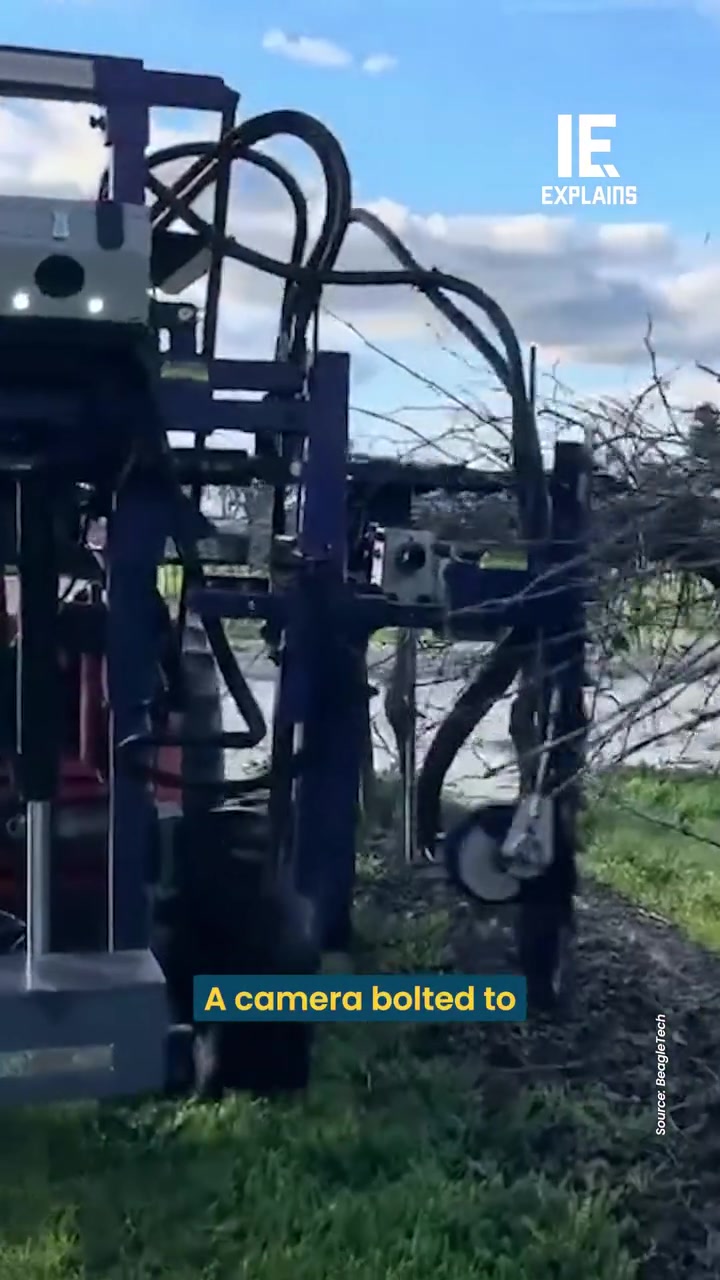
Pesticides are integral to modern agriculture, including strawberry farming. These chemicals help farmers manage pests and diseases that can devastate crops. For strawberries, common pests include spider mites, aphids, and various fungi. Pesticides are used to control these threats, ensuring that the plants remain healthy and productive. The spraying process typically involves agricultural sprayers, which can be handheld, backpack-mounted, or even automated, as seen in the field spraying practices. Workers often wear protective gear, including hazmat suits, to shield themselves from the chemical exposure.
Types of Pesticides Used
There are several types of pesticides commonly used in strawberry fields. Insecticides are used to control insects like aphids and spider mites, while fungicides are applied to combat fungal diseases. Herbicides are used to manage weeds that compete with strawberry plants for nutrients and space. Each type of pesticide serves a specific purpose, contributing to the overall health and productivity of the field. The sprayer is a crucial tool in this process, allowing for efficient and targeted application of these chemicals.
The Spraying Process
The spraying process in strawberry fields is meticulous and follows a specific protocol. Workers typically use backpack sprayers to apply the pesticide solutions. This method allows for precise control over the application, ensuring that the chemicals are evenly distributed across the field. The process involves walking down rows of strawberry plants, carefully spraying the leaves and stems. The use of protective gear, such as hazmat suits, is essential to safeguard the workers from potential health risks associated with pesticide exposure. This process is often automated, reducing the need for manual labor and increasing efficiency.
Environmental and Health Considerations
While pesticides are effective in controlling pests and diseases, their use raises significant environmental and health concerns. Pesticides can contaminate soil, water, and air, posing risks to both humans and wildlife. For example, runoff from pesticide-treated fields can contaminate nearby water sources, harming aquatic life and potentially entering the food chain. Human exposure to pesticides can occur through direct contact during the application process or through the consumption of contaminated food. Long-term exposure to pesticides has been linked to various health issues, including respiratory problems, skin irritation, and even more severe conditions like cancer.
Practical tips
-
Pesticide Selection: Choose pesticides that are specifically designed for strawberry crops. Consider the target pest or disease and select a product that is effective against it. Always follow the manufacturer’s instructions and guidelines for application.
-
Protective Gear: Ensure that all workers involved in the spraying process wear appropriate protective gear, including hazmat suits, gloves, and masks. This gear helps to minimize exposure to pesticides and reduces the risk of health issues.
-
Application Timing: Time your pesticide applications carefully. Applying pesticides at the right time can maximize their effectiveness and minimize the risk of contamination. For example, applying insecticides during the early morning or late evening can reduce the impact on beneficial insects and pollinators.
-
Integrated Pesticide Management (IPM): Consider implementing an Integrated Pest Management (IPM) program. IPM focuses on a combination of strategies, including biological control, cultural practices, and selective use of pesticides, to manage pests and diseases more sustainably.
Important takeaways
Understanding the use of pesticides in strawberry fields is crucial for appreciating the complexities of modern agriculture. While pesticides play a vital role in protecting crops, their application must be carefully managed to minimize environmental and health risks. Proper protective gear, precise application techniques, and a commitment to sustainable practices can help mitigate these risks and ensure the safety of both consumers and the environment. Additionally, ongoing research and development in pesticide alternatives, such as biological control and organic pesticides, offer promising avenues for more sustainable farming practices.
Conclusion
The use of pesticides in strawberry fields is a critical aspect of modern agriculture, essential for controlling pests and diseases that can threaten crop yields. However, it is equally important to recognize the potential environmental and health impacts of these chemicals. By adopting best practices, such as proper protective gear, precise application techniques, and sustainable pest management strategies, farmers can ensure the health and productivity of their strawberry fields while minimizing risks. As consumers, understanding these practices can help us make more informed choices about the food we consume and support more sustainable agricultural practices.
Watch the Reel
Questions readers ask
Why are pesticides used in strawberry fields?
Pesticides are used in strawberry fields to control a variety of pests and diseases that can devastate crops. These include insects, weeds, and fungi, which can reduce yields and lower the quality of the fruit. By protecting the plants, pesticides help ensure a healthy and abundant harvest, which can affect market supply and consumer access to strawberries.
What are the most common types of pesticides used in strawberry farming?
Strawberry farmers typically use a mix of insecticides, herbicides, and fungicides. Specific chemicals may vary, but common examples include methomyl for insect control, glyphosate for weed management, and captan for fungal diseases. The choice of pesticide depends on the specific pest or disease threatening the crop and local regulations.
How do pesticides impact the environment in strawberry farming?
Pesticides can have several environmental impacts in strawberry fields. They can contaminate soil and water, affecting local ecosystems and wildlife. Additionally, pesticides can lead to the development of resistant pest populations, requiring more potent chemicals over time. Moreover, pesticides can reduce biodiversity by harming beneficial insects and other organisms that support a healthy ecosystem.
What are the potential health risks associated with pesticides in strawberry farming?
Exposure to pesticides can pose health risks to both farmworkers and consumers. Farmworkers may experience immediate effects such as skin irritation, respiratory problems, or poisoning. Long-term exposure has been linked to more serious conditions, including cancer and neurological disorders. Consumers may be exposed to pesticide residues on strawberries, which can potentially cause adverse health effects, especially with prolonged or high-level exposure.
Are there any alternatives to chemical pesticides in strawberry farming?
Yes, there are several alternatives to chemical pesticides in strawberry farming. These include Integrated Pest Management (IPM) strategies, which combine biological, cultural, and chemical tools to control pests. Other methods include the use of beneficial insects, crop rotation, and resistant plant varieties. Additionally, organic farming practices, which rely on natural fertilizers and pest control methods, are gaining popularity as a way to reduce the reliance on synthetic chemicals.
How can consumers reduce their exposure to pesticides in strawberries?
Consumers can reduce their exposure to pesticides in strawberries by choosing organic produce, which is grown without the use of synthetic pesticides. Additionally, washing and thoroughly scrubbing strawberries before consumption can help remove pesticide residues. Supporting local and sustainable farming practices, which often prioritize natural pest control methods, can also contribute to safer food choices.
What regulations govern the use of pesticides in strawberry farming?
The use of pesticides in strawberry farming is regulated by various governmental bodies to ensure safety. In the United States, the Environmental Protection Agency (EPA) oversees the registration and regulation of pesticides. The EPA sets guidelines for safe use, including application rates, and requires regular assessments of pesticide impacts. Farmers must adhere to these guidelines to minimize health and environmental risks. Other countries have similar regulations to govern pesticide use.
Related deep dives
Similar reads based on topic and creator.


Recent articles
Fresh deep dives from the latest Reels we unpacked.




Comments
Be the first to comment.