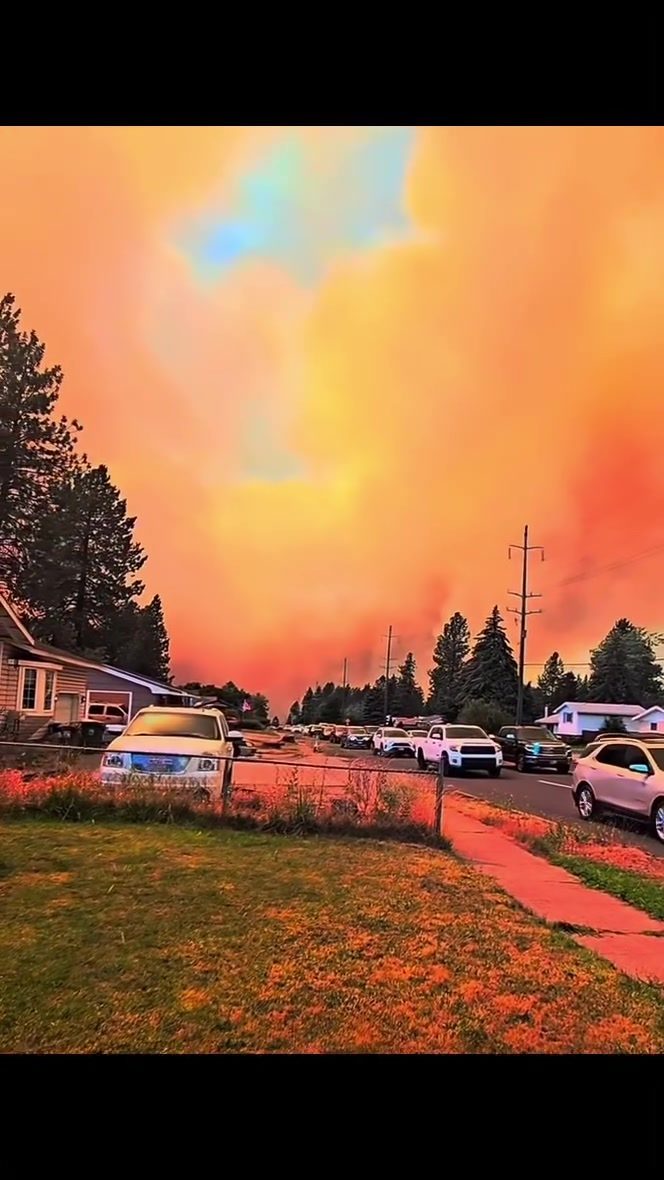
Wildfire smoke from the Old Trails Fire in Spokane, Washington, has become a significant concern for residents as they evacuate their homes. The fire, fueled by strong winds, continues to grow and spot, creating a wildland urban interface nightmare. Smoke from the fire has filled the sky with an unusual orange-red hue, significantly affecting air quality and visibility. The Dwight Merkel Outdoor Sports Complex, which was full for Saturday activities, has been forced to evacuate, and evacuations now extend as far north as Rutter Parkway. The fire has already consumed more than 2,000 acres, and residents are fleeing areas such as Francis East, Night Mile Falls, and Airway Heights. The situation is critical, and the smoke poses health risks to the community.
Wildfires are a serious threat to public health and safety, particularly in areas where wildland and urban environments intersect. Understanding the impacts of wildfire smoke and the evacuation process is crucial for residents in affected regions.
Context/Why This Matters
Wildfires are a growing concern due to climate change, urban expansion, and fire management practices. The Old Trails Fire in Spokane highlights the urgent need for preparedness and evacuation protocols. Smoke from wildfires can travel far and wide, affecting air quality and posing health risks to those in its path. Understanding the dangers of wildfire smoke and the importance of timely evacuations can save lives and minimize health impacts.
Additionally, the impact of wildfires extends beyond immediate dangers. Wildfires can destroy homes, infrastructure, and natural ecosystems, leading to long-term environmental and economic consequences. In Spokane, the evacuation of the Dwight Merkel outdoor Sports complex and other residential areas underscores the far-reaching effects of wildfires on community activities and daily life.
The Impact of Wildfire Smoke
Air Quality and Visibility
Wildfire smoke contains a variety of pollutants, including particulate matter (PM), carbon monoxide, and volatile organic compounds. These pollutants can not only affect the air quality but also make it hard to see. The thick layer of smoke from the Old Trails Fire has significantly reduced visibility, making it challenging for residents to navigate their surroundings. This reduced visibility poses additional risks, such as increased traffic accidents and difficulty evacuating.
Health Risks
Exposure to wildfire smoke can lead to a range of health issues, particularly for vulnerable populations such as children, the elderly, and individuals with respiratory or cardiovascular conditions. The primary health concerns associated with wildfire smoke exposure include:
- Respiratory problems: Smoke can irritate the lungs and exacerbate conditions like asthma and chronic obstructive pulmonary disease (COPD).
- Cardiovascular issues: Particulate matter in smoke can enter the bloodstream and contribute to heart problems, including heart attacks and strokes.
- Eye and throat irritation: Smoke can cause irritation and discomfort in the eyes and throat, leading to symptoms such as coughing, sore throat, and watery eyes.
Evacuation Challenges
Evacuations during wildfires are often chaotic and rushed, adding to the stress and danger for residents. In Spokane, the evacuation process has been complicated by the sheer number of people fleeing affected areas. Traffic jams, such as those seen on Francis East, can delay evacuations and put lives at risk. Additionally, the emotional toll of evacuating one's home can be overwhelming, especially for those who may not have a clear plan or destination.
Understanding the Evacuation Process
Knowing When and How to Evacuate
Timely and effective evacuation depends on clear communication and preparedness. Local authorities and emergency services often provide guidance on when and how to evacuate. Residents should stay informed through reliable sources, such as official alerts and announcements. Key steps during an evacuation include:
- Stay informed: Keep updated on the latest information about the fire's progress and evacuation orders.
- Prepare an evacuation plan: Have an evacuation plan in place, including multiple routes and a designated meeting point.
- Gather essentials: Pack essential items such as important documents, medications, and personal belongings in an evacuation kit.
- Follow instructions: When ordered to evacuate, do so promptly and follow the instructions provided by emergency services.
Evacuation Routes and Traffic
Evacuation routes can become congested, as seen in Spokane with residents fleeing Night Mile Falls and Airway Heights. To mitigate traffic issues, authorities often implement traffic management strategies, including:
- Designated evacuation routes: Establishing specific routes to guide traffic and prevent congestion.
- Traffic control measures: Using traffic lights, barricades, and other measures to manage the flow of vehicles.
- Alternative transportation: Encouraging the use of alternative transportation methods, such as public transit or carpooling, when feasible.
Important Considerations for Residents
Preparing for Evacuation
Preparation is key to a safe and efficient evacuation. Residents should consider the following steps to be ready:
- Prepare an emergency kit: Include essential items like water, food, first-aid supplies, and any necessary medications.
- Stay informed: Keep a portable radio or other communication devices to monitor updates and alerts.
- Know your evacuation zone: Understand the evacuation zones and routes in your area.
- Evacuation plan: Develop a plan with your family, including how to evacuate, where to meet, and what to do in case of separation.
Supporting Vulnerable Populations
Evacuations can be particularly challenging for vulnerable populations, such as elderly individuals, children, and those with disabilities. Special considerations and support are necessary to ensure their safety:
- Assisted living and healthcare facilities: Ensure that these facilities have evacuation plans in place for their residents.
- Community resources: Utilize local resources and support networks to provide assistance to vulnerable residents during evacuations.
- Emergency communications: Implement emergency communication systems to reach and assist vulnerable populations.
Practical Tips
For Residents
- Stay alert: Regularly check official sources for updates and evacuation orders.
- Prepare an emergency kit: Keep a kit with essential supplies, including water, food, important documents, and any needed medications.
- Plan for pets: Include your pets in your evacuation plan, and have a pet emergency kit ready.
- Have multiple evacuation routes: Be familiar with multiple evacuation routes in case primary routes are impassable.
For Community Leaders
- Clear communication: Provide timely, clear, and accurate information to residents about the wildfire and evacuation procedures.
- Community support: Offer support and resources for vulnerable populations, such as elderly residents, children, and those with disabilities.
- Traffic management: Implement effective traffic management strategies to minimize congestion and ensure safe evacuation.
- Community collaboration: Work with local organizations, businesses, and residents to coordinate evacuation efforts and provide assistance.
Important Takeaways
Wildfire smoke from the Old Trails Fire in Spokane has highlighted the urgent need for preparedness and effective evacuation protocols. The smoke has significantly impacted air quality and visibility, posing health risks and challenges for residents. Evacuations, while critical, can be chaotic and stressful, requiring clear communication and preparation. Understanding the dangers of wildfire smoke and the importance of timely evacuations can save lives and minimize health impacts. By staying informed, preparing in advance, and supporting vulnerable populations, communities can better respond to wildfire threats.
Conclusion
The Old Trails Fire in Spokane serves as a stark reminder of the challenges posed by wildfires and the importance of timely and effective evacuation. The smoke from the fire has significantly impacted air quality and visibility, affecting the health and safety of residents. Evacuations, while necessary, can be chaotic and stressful, requiring clear communication and preparation. By staying informed, preparing in advance, and supporting vulnerable populations, communities can improve their readiness and response to wildfires.
Watch the Reel
Questions readers ask
Which areas in Spokane have been evacuated due to the Old Trails Fire?
Evacuations have been ordered in several areas including Francis East, Night Mile Falls, and Airway Heights. The evacuations extend as far north as Rutter Parkway, affecting numerous residents and public facilities, such as the Dwight Merkel Outdoor Sports Complex.
What health risks does the wildfire smoke pose to residents?
The smoke from the Old Trails Fire poses serious health risks, particularly to those with respiratory issues. It can cause breathing difficulties, exacerbate conditions like asthma, and lead to other health complications. Residents are advised to stay indoors, keep windows closed, and use air filters if available.
How large is the Old Trails Fire and what is causing its rapid spread?
As of the latest reports, the Old Trails Fire has consumed more than 2,000 acres. The fire's rapid spread is due to strong winds, which are fueling the blaze and creating spot fires, making it difficult for firefighters to contain.
What steps should residents take to ensure they are prepared for evacuations?
Residents should have an emergency plan in place, including an evacuation route and a designated meeting point. Essential items such as important documents, medications, and supplies should be packed and ready to go. Staying informed through local news and official channels is crucial for timely updates and instructions.
Why is the smoke from the wildfire turning the sky orange?
The orange hue in the sky is due to the scattering of light by the smoke particles. The smoke contains tiny particles that scatter the shorter blue and green wavelengths of light, allowing the longer red and orange wavelengths to reach our eyes, creating the eerie orange sky.
What should residents do if they encounter smoke from the wildfire?
If residents encounter smoke, they should take immediate action to protect their health. This includes staying indoors with windows and doors closed, using air filters or air purifiers, and avoiding outdoor activities. If evacuation orders are issued, residents should follow them promptly and seek shelter in designated safe areas.
Related deep dives
Similar reads based on topic and creator.


Recent articles
Fresh deep dives from the latest Reels we unpacked.




Comments
Be the first to comment.