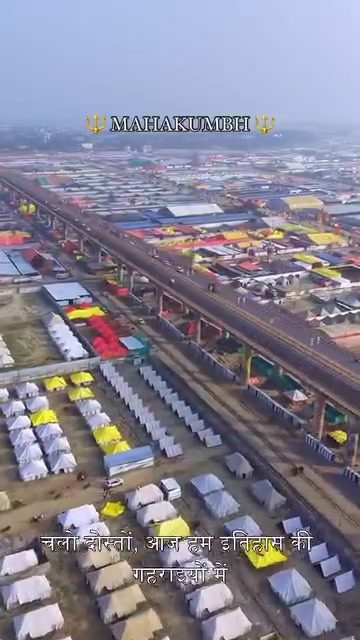
Mahakumbh Mela
Mahakumbh Mela, is a colossal Hindu pilgrimage that unfolds every 144 years, attracting millions of devotees from around the world. The event is known for its immense scale, spiritual significance, and the confluence of three sacred rivers: the Ganges, Yamuna, and the mythical Saraswati. Held in Allahabad, also known as Prayagraj, the Maha Kumbh Mela is not just a religious gathering, but a celebration of faith, history, and culture.
Context / Why this matters
The Maha Kumbh Mela is deeply rooted in Hindu mythology and history. The event revolves around the belief that the confluence of the three rivers creates a sacred space where the gods descend to earth, and the waters become sanctified. Devotees believe that participating in the Kumbh Mela, especially during the auspicious bathing days, can cleanse their sins and bring spiritual enlightenment.
The Mahakumbh is a grand spectacle. A sprawling tent city emerges during the festival, accommodating millions of pilgrims. The event is marked by grand processions, religious rituals, and spiritual discourses. Months of preparation go into organizing the logistics of such a massive gathering, including the construction of temporary infrastructure, provision of essential services, and ensuring the safety of pilgrims.
Main discussion
The Significance of the Confluence
The confluence of the three rivers—Ganga, Yamuna, and Saraswati—is a central theme of the Kumbh Mela. This sacred spot, known as the Tricon, is revered for its spiritual power. According to Hindu mythology, the gods and demons fought over the Amrit Kumbh (pot of nectar), and drops of this divine elixir fell at four places on earth, including the confluence at Allahabad. This makes the Triveni Sangam a particularly sacred and powerful site.
The Historical and Religious Context
The Mahakumbh Mela has a rich historical and religious context. The festival's origins can be traced back to ancient Hindu scriptures, where it is mentioned as a sacred assembly. Over the centuries, it has evolved into a grand event that draws pilgrims from all corners of India and the world. The festival provides a platform for diverse cultural and religious expressions, fostering unity among different sects and communities.
The Logistics of the Event
The Mahakumbh Mela is a logistical marvel. Organizing an event of this magnitude requires meticulous planning and coordination. The temporary city that springs up to accommodate millions of pilgrims is a testament to human ingenuity. Tents, makeshift hospitals, food stalls, and other facilities are set up to ensure the comfort and safety of the participants.
Practical tips
Planning Your Visit
If you're planning to visit the Mahakumbh Mela, it's essential to prepare thoroughly. Here are some practical tips:
1. Know the Dates: The Mahakumbh Mela is held at specific intervals, and the dates are crucial. The festival typically lasts for about 48 days, with special bathing days known as "Shahi Snan" (Royal Bath) that attract the most pilgrims.
2. Choose the Right Time: The auspicious bathing days, such as Makar Sankranti, Paush Purnima, and Mahashivratri, are the most crowded. Plan your visit according to your preferences—whether you want to experience the peak days or prefer a quieter atmosphere.
3. Accommodation and Transportation: Given the sheer size of the event, accommodation can be a challenge. Opt for pre-booked tents or hotels in nearby cities if possible. Public transportation is usually enhanced during the Mela, but it's advisable to have a plan for getting around.
4. Health and Safety: The festival can be overwhelming for first-time visitors. Stay hydrated, carry essential medicines, and be cautious about food hygiene. The temporary medical facilities are usually well-equipped, but it's always good to be prepared.
5. Cultural Sensitivity: Respect local customs and traditions. Dress modestly, and be mindful of the religious sentiments of the participants. The Mahakumbh Mela is a time for spiritual reflection and devotion, so approach it with reverence.
Important takeaways
The Mahakumbh Mela is a unique and transformative experience. It offers a glimpse into the rich tapestry of Indian culture, spirituality, and history. The festival's scale and significance make it a once-in-a-lifetime event for many. The confluence of the three rivers, the elaborate rituals, and the sheer number of participants create an atmosphere unlike any other.
For those who undertake the pilgrimage, the Mahakumbh Mela is more than just a religious event. It is a journey of faith, a celebration of unity, and a testament to the enduring power of tradition.
Conclusion
The Mahakumbh Mela is a living testament to the enduring faith and cultural richness of India. Whether you are a devotee seeking spiritual enlightenment or a curious traveler, the festival offers a profound and unforgettable experience. The confluence of the sacred rivers, the scale of the event, and the unity it fosters among diverse communities make the Mahakumbh Mela a truly remarkable event.
Watch the Reel
Questions readers ask
When and where is the next Maha Kumbh Mela expected to be held?
The next Maha Kumbh Mela is expected to be held in 2025 in Allahabad, also known as Prayagraj, at the confluence of the Ganges, Yamuna, and the mythical Saraswati rivers. This event occurs every 144 years, making it a rare and highly anticipated gathering.
What is the significance of the three rivers' confluence at the Maha Kumbh Mela?
The confluence of the Ganges, Yamuna, and the mythical Saraswati rivers is believed to create a sacred space where the gods descend to earth, and the waters become sanctified. This confluence is central to the spiritual significance of the Maha Kumbh Mela, as it is considered a place of immense spiritual cleansing and enlightenment.
What rituals are typically performed during the Maha Kumbh Mela?
Devotees participate in various rituals during the Maha Kumbh Mela, including ritual bathing in the sacred rivers, especially during the auspicious times known as 'Shahi Snan'. Additionally, devotees offer prayers, perform puja, and seek blessings from spiritual leaders and saints. The event is also marked by religious discourses, spiritual teachings, and cultural performances.
Why is the Maha Kumbh Mela considered a monumental event?
The Maha Kumbh Mela is considered monumental due to its immense scale, attracting millions of devotees from around the world. It is a celebration of faith, history, and culture, deeply rooted in Hindu mythology. The event's spiritual significance, the confluence of sacred rivers, and the belief in spiritual purification make it a unique and profound experience for participants.
What role does the mythical Saraswati River play in the Maha Kumbh Mela?
The mythical Saraswati River is believed to flow underground and merge with the Ganges and Yamuna at the site of the Maha Kumbh Mela. Its inclusion in the confluence is rooted in Hindu mythology and adds to the spiritual significance of the event, as devotees believe that the waters of all three rivers become sanctified during this period.
How does the Maha Kumbh Mela contribute to the cultural heritage of India?
The Maha Kumbh Mela is a vibrant showcase of India's rich cultural heritage, drawing devotees from various parts of the country and the world. It provides a platform for the exchange of spiritual teachings, religious practices, and cultural performances, fostering a sense of unity and shared heritage among participants.
What is the significance of the 'Shahi Snan' during the Maha Kumbh Mela?
The 'Shahi Snan,' or royal bath, is one of the most auspicious and significant rituals during the Maha Kumbh Mela. It takes place on specific dates when the alignment of planets and stars is considered particularly favorable. Devotees believe that bathing in the sacred rivers during this time can wash away their sins and bestow spiritual cleansing and enlightenment.
Related deep dives
Similar reads based on topic and creator.



Recent articles
Fresh deep dives from the latest Reels we unpacked.



Comments
Be the first to comment.