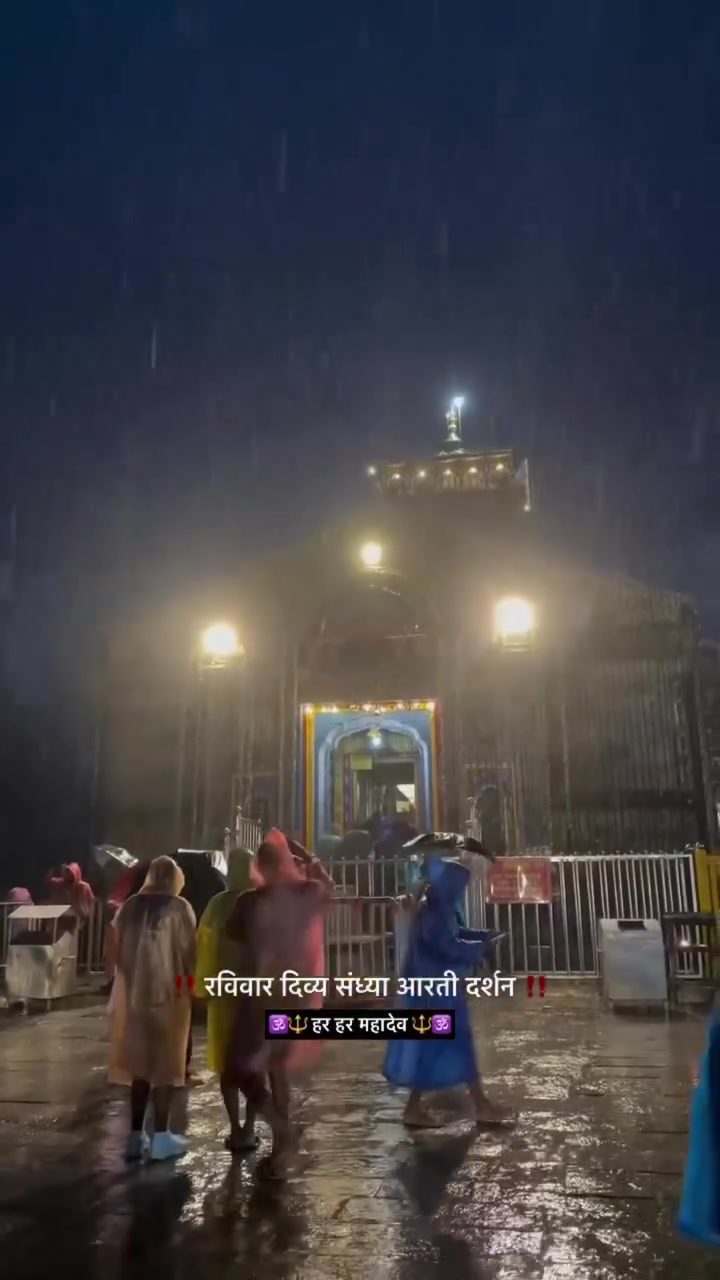
The Spiritual Essence of the Hindu Temple Aarti Ceremony
Aarti, a profound and vibrant ritual of worship in Hinduism, is a ceremony that transcends the boundaries of language and culture, touching the hearts of millions. The Aarti ceremony is deeply rooted in devotion and is typically performed in temples and homes to honor deities. This ritual involves the waving of lamps or candles in front of the deity, accompanied by the chanting of sacred mantras and the ringing of bells.
The Significance of the Aarti Ceremony
Aarti ceremonies are integral to the worship of Hindu deities. The ritual creates a spiritual atmosphere, fostering devotion and reverence. It is believed to dispel ignorance and darkness, symbolizing the victory of good over evil. In the context of a temple, the Aarti ceremony brings together devotees, creating a collective experience of faith and unity.
The ceremony can be held at different times and settings, but Sunday evening Aarti (रविवार संध्या आरती दर्शन) is particularly popular. This specific timing often attracts a large number of devotees, enhancing the sense of community and shared devotion. The temple in Haridwar, known for its powerful spiritual energy, is a notable location for witnessing an enchanting Aarti.
The Ritual of Worship
The Role of Lamps in Aarti
Lamps, or diyas, are central to the Aarti ceremony. These lamps, often made of brass or copper, are filled with ghee or oil and lit with cotton wicks. Priests carefully wave these lamps in circular motions in front of the deity, creating a mesmerizing display of moving light. The light is not just a symbol of knowledge but also represents the presence of the divine.
The Process of Conducting Aarti
The Aarti begins with the chanting of sacred mantras such as "हर हर महादेव" (Hara Hara Mahadev) and "ॐ" (Om), which are powerful invocations to the divine. The priests recite these mantras with deep reverence and focus, creating a serene and meditative atmosphere. The ringing of bells accompanies the chanting, adding to the spiritual ambiance. Bells are believed to ward off negative energies and purify the surroundings, making the space more conducive to worship.
The Spiritual Atmosphere
The visual spectacle of the Aarti ceremony is enhanced by the temple's decorations. Flowing garlands, vibrant flowers, and ornate idols contribute to the overall aesthetic appeal. The temple's architecture, often adorned with intricate carvings and sculptures, adds to the grandeur of the experience. The collective spirit of the gathering further enriches the atmosphere, making the Aarti a deeply moving and unforgettable experience.
Practical Tips for Experiencing Aarti
Choosing a Temple
For those seeking to experience the Aarti ceremony, selecting a temple is crucial. Temples in Haridwar, such as the one depicted, are renowned for their spiritual vibrancy and are ideal for witnessing the Aarti. Additionally, temples in Varanasi, Rishikesh, and other holy cities in India offer unique and profound experiences of the Aarti ritual.
Participating in the Aarti
When attending an Aarti, it is advisable to arrive early to secure a good spot. Dressing modestly and respecting the sanctity of the place are essential. Participating in the chanting and offering prayers can deepen the experience. Some temples allow visitors to take part in the ritual by lighting diyas or distributing prasad (blessed food).
Understanding the Meaning
The Aarti ceremony is a beautiful blend of devotion, folklore, and tradition. Understanding the symbolism behind the rituals can enhance appreciation and spiritual connection. For instance, the waving of lamps signifies the removal of darkness and ignorance, while the chanting of mantras is believed to invoke the blessings of the divine.
Important Takeaways
- The Aarti ceremony is a vibrant and spiritual ritual of worship, deeply rooted in Hindu traditions.
- The waving of lamps, chanting of mantras, and ringing of bells create a serene and devotion-filled atmosphere.
- Sunday evening Aarti, especially in temples like those in Haridwar, attracts a large number of devotees, enhancing the sense of community and shared devotion.
- The ritual's symbolism, including the light from diyas and the power of mantras, offers profound insights into Hindu spirituality.
Conclusion
The Aarti ceremony is more than just a ritual; it is an experience that nourishes the soul. The ceremony's spiritual essence, amplified by the collective devotion of countless devotees, transforms the mundane into the divine. Whether experienced in the bustling temples of Haridwar or in the serene ambiance of a home altar, the Aarti ceremony remains a timeless testament to faith and reverence.
Watch the Reel
Questions readers ask
What is the significance of the Aarti ceremony in Hindu temples?
The Aarti ceremony in Hindu temples is a ritual of worship that honors deities and fosters a spiritual atmosphere. It involves the waving of lamps or candles, accompanied by the chanting of sacred mantras and the ringing of bells, all of which create an environment of devotion and reverence. This ceremony symbolizes the triumph of good over evil and the dispersion of ignorance and darkness.
Why is the Aarti ceremony in Haridwar particularly notable?
Haridwar is one of the holiest places for Hindus, and the Aarti ceremony in Haridwar is particularly notable due to its scale and the devotion it elicits. The Aarti performed at the banks of the Ganges, especially during sunset, is a spectacular sight where the community unites in a shared experience of faith and unity. The atmosphere is further enhanced by the spiritual energy of the sacred river and the surrounding temples.
What do the lamps used in the Aarti ceremony symbolize?
The lamps used in the Aarti ceremony, known as 'diya' or 'aarti lamps,' symbolize the light of knowledge and the dispelling of darkness, both physical and spiritual. The act of waving these lamps in front of the deity signifies the removal of ignorance and the realization of divine wisdom. This ritual is a powerful symbol of the victory of light over darkness, and good over evil.
What is the role of mantras in the Aarti ceremony?
Mantras play a crucial role in the Aarti ceremony, as they are the sacred sounds and words that create a spiritual atmosphere. The chanting of mantras during the Aarti helps to focus the mind and deepen the connection with the divine. These mantras are often in Sanskrit and have specific meanings that enhance the significance of the ritual, reinforcing the devotion and reverence of the worshippers.
How does the Aarti ceremony contribute to a sense of community among worshippers?
The Aarti ceremony contributes to a strong sense of community by uniting worshippers in a shared experience of faith and devotion. The synchronized waving of lamps, the collective chanting of mantras, and the communal participation in the ritual create a bond among participants, fostering a sense of unity and shared purpose. This collective worship experience transcends individual differences, promoting a sense of togetherness and spiritual harmony.
Can the Aarti ceremony be performed outside of temples?
Yes, the Aarti ceremony can be performed outside of temples, as it is also a common practice in many Hindu homes. This ritual is an integral part of daily worship, and performing it at home is often done to honor deities and seek their blessings. The home Aarti ceremony follows a similar format, with the waving of lamps, chanting of mantras, and offerings to the deity, creating a personal and intimate spiritual experience.
What is the historical context of the Aarti ceremony?
The Aarti ceremony has been an integral part of Hindu tradition for centuries, with its roots tracing back to ancient times. This age-old ritual has been passed down through generations, maintaining its significance in both temple and home worship. The tradition of performing Aarti has evolved but has remained a central aspect of Hindu worship, symbolizing the eternal struggle between light and darkness, and the ultimate triumph of good over evil.
Related deep dives
Similar reads based on topic and creator.




Recent articles
Fresh deep dives from the latest Reels we unpacked.




Comments
Be the first to comment.