A Heat Wave Unfolds
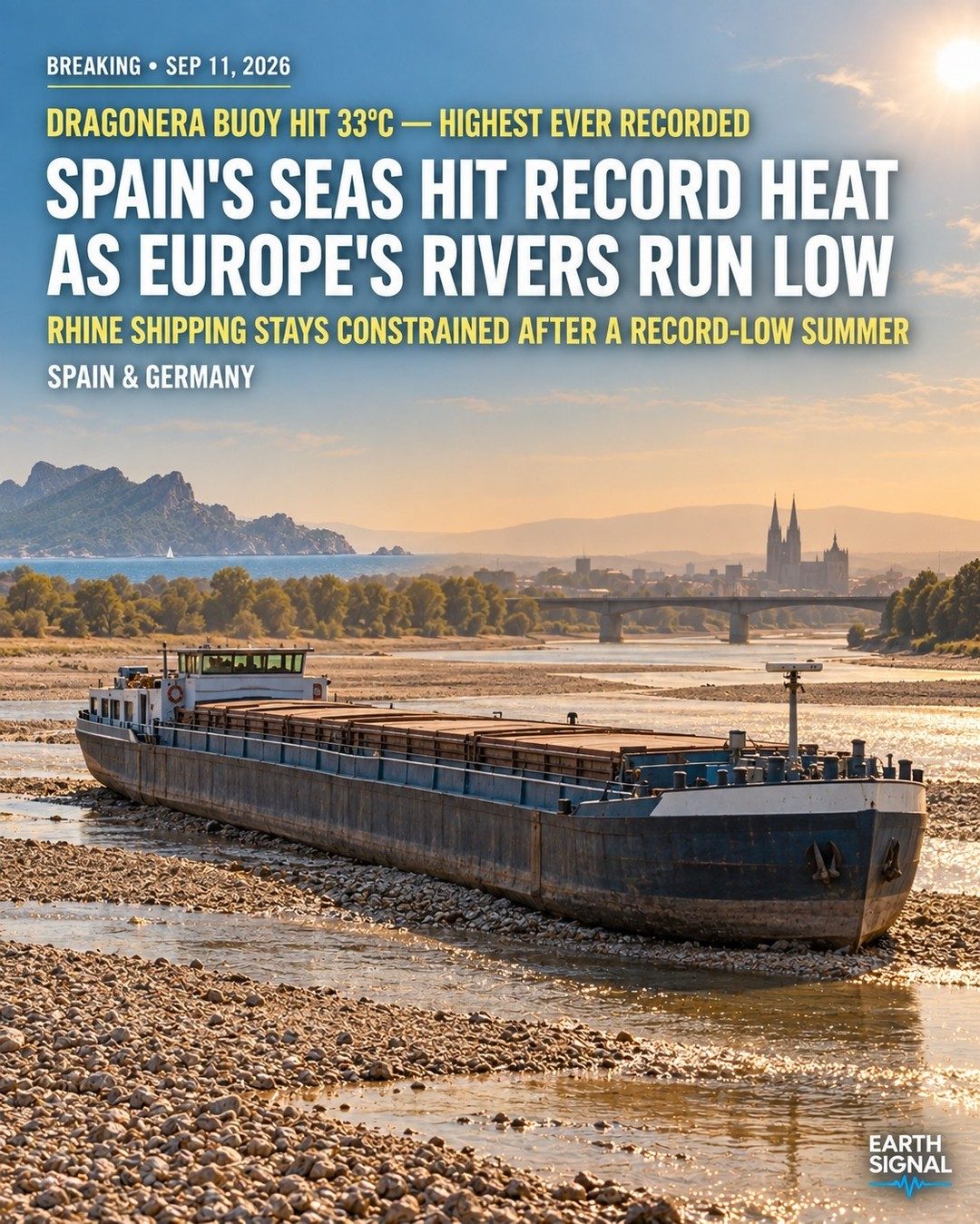
Extreme heat is besieging Spain, with reports of sea temperatures reaching an unprecedented 33°C at the Dragonera Buoy. The event, recorded on September 11, 2026, was highlighted by Earth Signal, a news outlet known for monitoring environmental changes. This isn’t an anomaly but a grim trend that has been unfolding in the Iberian Peninsula. Beyond the blistering temperatures, the Iberian peninsula was marking the lowest ever recorded rainfall for the summer of 2026. The buoys that monitor the seas have been recording fluids all summer long. This heat comes as a stark warning as we teeter into the next climate milestone. The concerns are not isolated to Spain. A similar hazard is happening in Germany. Both nations are grappling with the consequences of record-breaking climate shifts. Parts of Europe are struggling with low water levels. Even Germany’s waterways are affected, constraining shipping operations on the Rhine River. The melting of glaciers in the European Alps could lead to a drought in rivers. This has serious implications for the Rhine shipping.
The Rhine's Cry for Help
The Rhine, a lifeline for European trade and industry, is under duress. Reduced water levels have led to restrictions on shipping, disrupting the flow of goods and raw materials. The Rhine's navigability is vital for the transport of coal, oil, and other essential commodities. The river carries over 5.5 million tons of goods each year. The constrained shipping affects the movement of goods through the ports that have Europe’s container shipping terminals. Shipping is not only constrained but also less efficient due to the low water levels. The economic impact of Rhine shipping is monumental. According to the experts, every centimeter drop in water level can reduce the cargo capacity of a barge by approximately 30 tons and for a 20-meter section of the river, a 1.8-meter depth of water is needed. For 2026, the depths across different sections of the Rhine are now less than a meter. This also affects the mobility of other river vessels. A consignment meant for one of the ports could be transferred to another port as one of the river channels could be unsuitable for the vessel. It’s a bottleneck situation, and knock-on effects are likely.
Confronting the Climate Impact
The simultaneous occurrence of extreme heat and low water levels points to a broader trend. Consequences of climate change are increasingly visible in Europe. They are not just environmental hazards but economic threats. The European Commission’s Climate Change has predicted a potential rise in summer heatwaves. 40 million Europeans are exposed to flooding and 20 million to drought risk. 910 million euros of agricultural damage is calculated in Europe from these episodes. These numbers are based on the average temperatures across Europe. However, the effect is highly localized, and some pockets will see a higher rise in temperature. The impact on regional economies could be devastating. The European Commission’s Climate Change puts the damage at $400 million euros annually. The impact is not just on the immediate business but also affects jobs. Goods that are transported through the Rhine comprise a variety of products including coal, petroleum, and ore. All of these have a considerable supply chain. As the supply chain is disrupted, there are consequences downstream. The impact is far more severe and is not just limited to the summer. The impact can last for months as the winter impacts the water levels.
Adaptation Strategies
European countries must invest in climate-resilient infrastructure and adopt sustainable practices—it's a maritime issue, and the solution is multifaceted. From improving water management systems to investing in climate-resilient infrastructure, Europe must act swiftly and decisively. The loss of water means more than just drought. It means the loss of viable shipping routes, It is not just the shipments being delayed, it is more than that. It is goods that are perishable and will render them useless. Governments are investing in water storage projects and improved irrigation systems. But facing the temperature rise is another problem. The adaptation strategies would mean changing the way we live and work in Europe.
Watch the Reel
Related deep dives
Similar reads based on topic and creator.

Recent articles
Fresh deep dives from the latest Reels we unpacked.
Comments
Be the first to comment.