The Wide Open Frontier
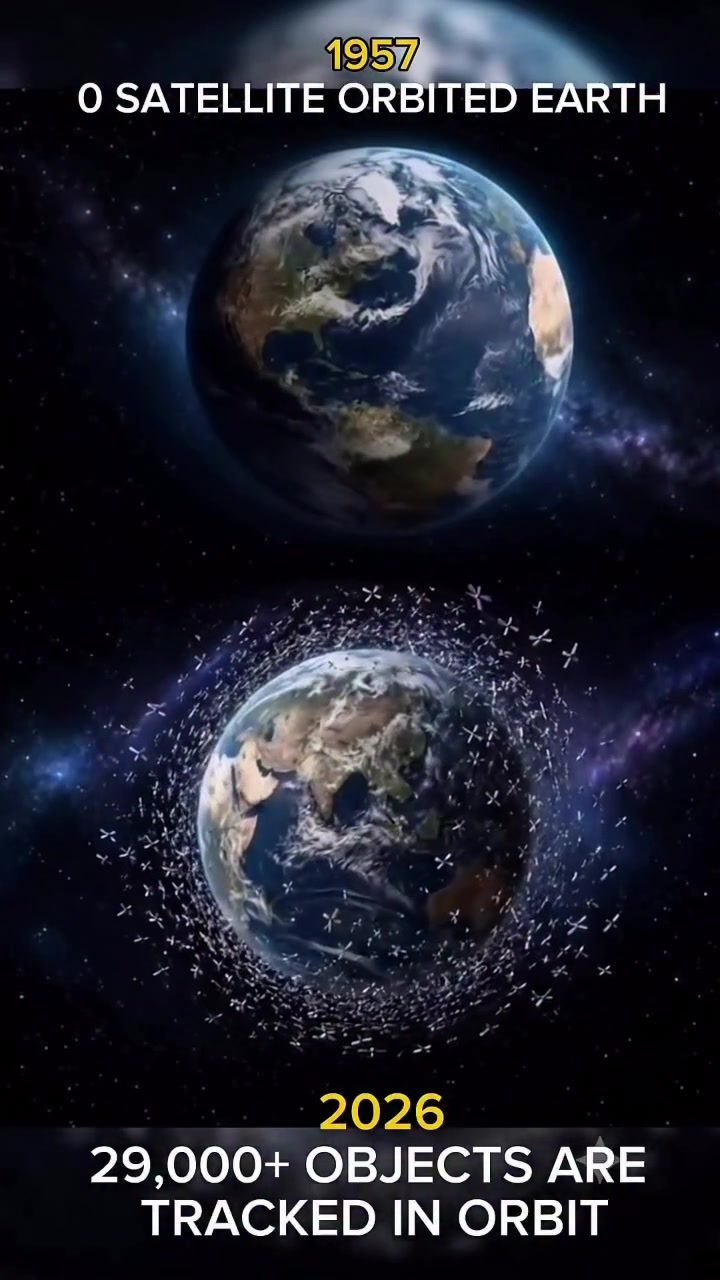
Space was once an unimaginably empty expanse. The silence of the void was not a metaphor, there was no radio noise. In 1957, no satellites orbited Earth. The vastness was monotonous. From that distance, Earth was a remote, serene blue dot. Yet as humanity started to reach for space, Earth's orbit became both a staging ground and a garbage pile. Human activity within this region has skyrocketed in the intervening decades. Today, space hosts more than twenty-nine thousand tracked objects — satellites, experiments, and human-made debris. Debris refers to all pieces of space junk — both functioning and non-functioning. Debris poses a danger to human and robotic space travel. Debris pose potential damage to satellites or even space missions. Debris in space travel at speeds up to 17,500 miles per hour. Collisions can have serious consequences. Consequently, debris has become a significant concern for space agencies and private space exploration companies. For decades, orbital debris has steadily accumulated.
The Risks Increase
Space debris poses a significant threat to space travel as orbital debris risk collisions, damaging spacecrafts, satellites, and even manned missions. This includes the Space Station. The question is, at what point will the risks outweigh the benefits? These debris travels at high velocities, making even small particles dangerous. Unexploded rocket parts are the worst offenders. Over twenty years, the number of objects tracked in orbit has skyrocketed from 10,000 to 29,000+. Zero objects orbited Earth in 1957. In 2026, an estimated 29,000+ objects will be tracked in orbit. Debris can range from defunct satellites to microscopic paint flecks. The debris travels at up to 17,500 miles per hour. The primary sources of debris are spent rocket stages, defunct satellites, and fragments from collisions or explosions. The debris can range from a few millimeters to several meters in size. The accumulation of debris in orbit is a known space debris. The accumulation of debris increases the risk of collisions. The debris can also collide with each other.
The Cleanup Effort
Worldwide, countries and companies are working together to combat this problem. Efforts to mitigate can be split into two categories. Some strategies aim to mitigate the problem at its point of origin, preventing new debris from entering orbit. For example, countries such as China, Russia, and the US are increasingly adopting measures. These measures include deorbiting defunct satellites and designing space objects to disintegrate upon reentry. The US contributed the most to space debris. Countries are setting aside funds for these preventative measures. Other efforts seek to clear already-existing debris from orbit. The European Space Agency (ESA) is developing a mission to remove one large piece of debris from orbit each year. Such a service will prevent a cascade of collisions. UNESCO is working on a paper to identify the challenges posed by space debris. ESA introduced strict measures. These preventive measures are intended to lessen the problem of space debris. Japan Aerospace Exploration Agency, or JAXA, has been working on a project to clean up junk in space. The authors describe the work ongoing to mitigate space debris and the measures proposed by different organizations.
Debris Mitigation
Prevention would be simpler than trying to clean after ourselves. The problem is that less debris means less debris. Unfortunately, stopping the accumulation is only the beginning. As long as the debris remains in orbit, it will continue to pose a risk as it collides with other orbiting bodies. Researchers are looking into possible solutions for debris mitigation. Large swaths of space are already unusable. The issue is particularly severe in low Earth orbit, which is already cluttered with debris. The debris in orbit is causing a big problem to space missions.
Watch the Reel
Related deep dives
Similar reads based on topic and creator.




Recent articles
Fresh deep dives from the latest Reels we unpacked.


Comments
Be the first to comment.