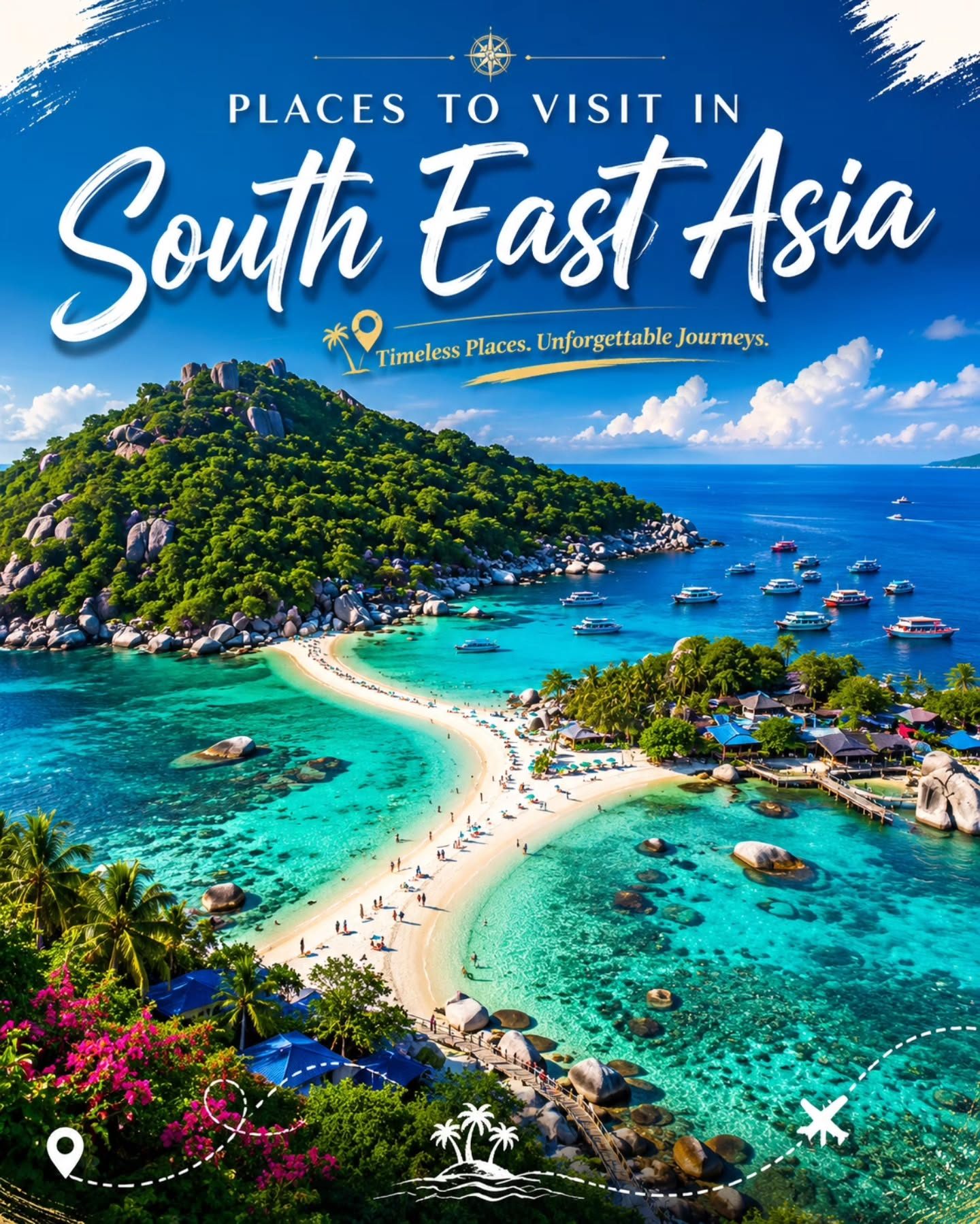
Southeast Asia: A Journey Through Timeless Places and Unforgettable Journeys
The allure of Southeast Asia is undeniable. With its diverse landscapes, vibrant cultures, and breathtaking destinations, the region offers a wealth of unforgettable experiences. From the bustling streets of Vietnam to the pristine beaches of Indonesia, and the cultural richness of Malaysia, Southeast Asia is a treasure trove for travelers seeking adventure and discovery.
Why Southeast Asia Matters
Southeast Asia is a melting pot of cultures, history, and natural wonders. The region's unique blend of modernity and tradition creates a dynamic travel experience that is both captivating and enlightening. Whether you're exploring the bustling cities or relaxing on serene beaches, Southeast Asia offers something for every type of traveler.
Vietnam: Breathtaking Landscapes and Timeless Experiences
Vietnam is a country of contrasts, where ancient traditions coexist with modern life. The vibrant cities and serene countryside offer a diverse range of experiences that make it a must-visit destination.
Hanoi: The Heart of Vietnam
Hanoi, the capital city, is a blend of old and new. The Old Quarter, with its narrow streets and colonial architecture, offers a glimpse into Vietnam's rich history. Meanwhile, the modern districts showcase the city's rapid development and economic growth. Hanoi is also home to numerous cultural sites, including the Temple of Literature and the Ho Chi Minh Mausoleum.
Sapa: A Hill Tribe Adventure
Nestled in the northern mountains, Sapa is a region of stunning natural beauty and diverse ethnic cultures. The terraced rice fields, lush forests, and picturesque villages offer a unique and authentic travel experience. Visitors can trek through the countryside, interact with local hill tribes, and immerse themselves in the local culture.
Ha Giang: The Hidden Gem
Ha Giang, located in the far north of Vietnam, is a destination for the adventurous. The region is known for its dramatic landscapes, including towering mountains, deep valleys, and remote villages. The Ha Giang Loop, a popular motorbike route, takes travelers through some of the most breathtaking scenery in the country.
Da Nang: The Coastal Gem
Da Nang, a coastal city, is famous for its beautiful beaches and vibrant nightlife. The city's promenade, lined with palm trees and modern architecture, is a popular spot for both locals and tourists. Da Nang is also home to the Marble Mountains, a cluster of five hills that offer stunning views of the surrounding area.
Hoi An: The Ancient Town
Hoi An, a UNESCO World Heritage Site, is a beautifully preserved ancient town. The narrow streets, traditional architecture, and historic sites make it a must-visit destination. The town is also famous for its tailoring shops, where visitors can have custom-made clothing at affordable prices.
Malaysia: Diverse Cultures and Endless Experiences
Malaysia is a country of contrasts, where modern skyscrapers coexist with traditional villages and bustling markets. The country's diverse cultures, influenced by Malay, Chinese, and Indian traditions, create a unique and vibrant travel experience.
Kuala Lumpur: The City of Lights
Kuala Lumpur, the capital city, is a modern metropolis known for its iconic landmarks, including the Petronas Twin Towers. The city's vibrant nightlife, diverse cuisine, and bustling markets offer a wealth of experiences for visitors. Kuala Lumpur is also a gateway to the rest of the country, with easy access to popular destinations like Melaka, Cameron Highlands, and Langkawi.
Melaka: A UNESCO World Heritage Site
Melaka, a historic city, is a UNESCO World Heritage Site. The city's rich history, reflected in its architecture and cultural sites, makes it a must-visit destination. Visitors can explore the historic streets, visit the famous A Famosa fort, and sample the local cuisine, which is a blend of Malay, Chinese, and Indian influences.
Cameron Highlands: The Tea Country
The Cameron Highlands, located in the central highlands, is a region of stunning natural beauty. The lush tea plantations, rolling hills, and cool climate make it a popular destination for nature lovers and tea enthusiasts. The region is also home to numerous hiking trails, waterfalls, and scenic viewpoints.
Indonesia: Islands of Discovery
Indonesia, an archipelago of thousands of islands, is a paradise for beach lovers and adventure seekers. The country's diverse landscapes, from pristine beaches to volcanic mountains, offer a wealth of experiences for travelers.
Bali: The Island of the Gods
Bali, known as the Island of the Gods, is a popular destination for its beautiful beaches, lush rice terraces, and vibrant culture. The island is famous for its temples, including the iconic Tanah Lot, and its surfing beaches, such as Kuta and Uluwatu. Bali is also a gateway to other popular destinations, including the Gili Islands, Lombok, and Flores.
Lombok: The Hidden Treasure
Lombok, located east of Bali, is a hidden gem. The island is known for its stunning beaches, lush landscapes, and vibrant culture. Visitors can explore the island's volcanic mountains, relax on the pristine beaches, and immerse themselves in the local culture.
Raja Ampat: The Last Frontier
Raja Ampat, located in the far east of Indonesia, is a paradise for divers and nature lovers. The archipelago is known for its pristine coral reefs, diverse marine life, and stunning landscapes. Raja Ampat is a remote and unspoiled destination, offering a unique and authentic travel experience.
Practical Tips for Traveling in Southeast Asia
Best Time to Visit
The best time to visit Southeast Asia depends on your itinerary. Generally, the dry season, from December to April, is the most popular time to visit. However, this is also the peak tourist season, so expect larger crowds and higher prices. The monsoon season, from May to November, offers a more affordable and less crowded travel experience, but be prepared for rain and potential disruptions.
Transportation
Southeast Asia offers a range of transportation options, from budget-friendly local buses to luxury trains and flights. For shorter distances, consider using public transportation, such as buses or motorbikes. For longer distances, consider booking a flight or train. Taxis and ride-sharing services, such as Grab, are also available in major cities.
Accommodation
Southeast Asia offers a range of accommodation options, from budget hostels to luxury resorts. For a more authentic and affordable experience, consider staying in a local homestay or guesthouse. If you prefer a more luxurious experience, consider staying in a resort or boutique hotel.
Local Cuisine
Southeast Asia is famous for its diverse and delicious cuisine. From street food to high-end restaurants, the region offers a wealth of culinary experiences. Some must-try dishes include Vietnamese pho, Malaysian nasi lemak, and Indonesian satay. Don't be afraid to try local street food, but be cautious with food safety and hygiene.
Important Takeaways
Traveling to Southeast Asia is an adventure filled with unique experiences and unforgettable memories. From the vibrant cultures and stunning landscapes of Vietnam to the diverse attractions of Malaysia and the pristine beaches of Indonesia, the region offers something for every type of traveler. Whether you're seeking adventure, relaxation, or cultural immersion, Southeast Asia is a destination that will leave you enchanted.
Watch the Reel
Questions readers ask
What are some must-visit destinations in Southeast Asia for cultural experiences?
Southeast Asia offers a rich blend of cultures. For a deep dive into history and tradition, consider Vietnam's Hanoi for its bustling streets and colonial architecture. Malaysia's cultural richness, including its diverse population, provides an urban experience with a mix of Malay, Chinese, and Indian influences. Additionally, Indonesia's vibrant art and dance scenes, particularly in Bali, offer a unique cultural journey.
Which destinations in Southeast Asia are best for beach lovers?
Indonesia is renowned for its pristine beaches, with Bali and the Gili Islands being top choices. For a more secluded experience, the Philippines offers over 7,000 islands with stunning beaches like those in Palawan and Boracay. Thailand's Phuket and Krabi also provide a mix of beautiful beaches and vibrant nightlife.
What are some lesser-known gems in Southeast Asia?
For a more off-the-beaten-path experience, consider Myanmar's Bagan, an ancient city with thousands of temples. In Laos, the serene town of Luang Prabang offers a peaceful retreat with French colonial architecture and Buddhist monasteries. Cambodia's Kampot, known for its French colonial buildings and pepper plantations, is another hidden gem.
How can travelers navigate the diverse landscapes of Southeast Asia?
Southeast Asia offers a variety of landscapes, from lush jungles to rugged mountains. For trekking enthusiasts, Vietnam's Sapa and the Inle Lake region in Myanmar are excellent choices. In Malaysia, the Cameron Highlands provide a cool, misty retreat with tea plantations and hiking trails. Adventurers can also explore the limestone cliffs and underground rivers of Vietnam's Phong Nha-Ke Bang National Park.
What are some tips for traveling safely in Southeast Asia?
Southeast Asia is generally safe for travelers, but it's important to stay vigilant. Keep your belongings secure, especially in crowded areas. Be cautious with street food and opt for cooked meals to avoid stomach issues. Always respect local customs and dress modestly when visiting religious sites. Consider getting travel insurance for added peace of mind.
How can travelers immerse themselves in the local cultures of Southeast Asia?
To truly experience the local cultures, engage with locals and participate in their traditions. Take a cooking class in Thailand to learn about their culinary heritage. Join a homestay in Vietnam to understand the daily lives of rural families. Explore local markets in Malaysia and Indonesia, and try local delicacies. Participating in festivals, such as the Lunar New Year celebrations in various countries, can also provide a unique cultural experience.
What are the best times to visit Southeast Asia?
The best time to visit Southeast Asia depends on your interests and the specific countries you plan to visit. Generally, the dry season (November to April) is ideal for beach destinations like Bali and Phuket. However, the wet season (May to October) can offer lush landscapes and fewer tourists, with discounts on accommodation and tours. For trekking and outdoor activities, the cool season (November to February) in places like Sapa, Vietnam, and Luang Prabang, Laos, is perfect.
Related deep dives
Similar reads based on topic and creator.




Recent articles
Fresh deep dives from the latest Reels we unpacked.




Comments
Be the first to comment.