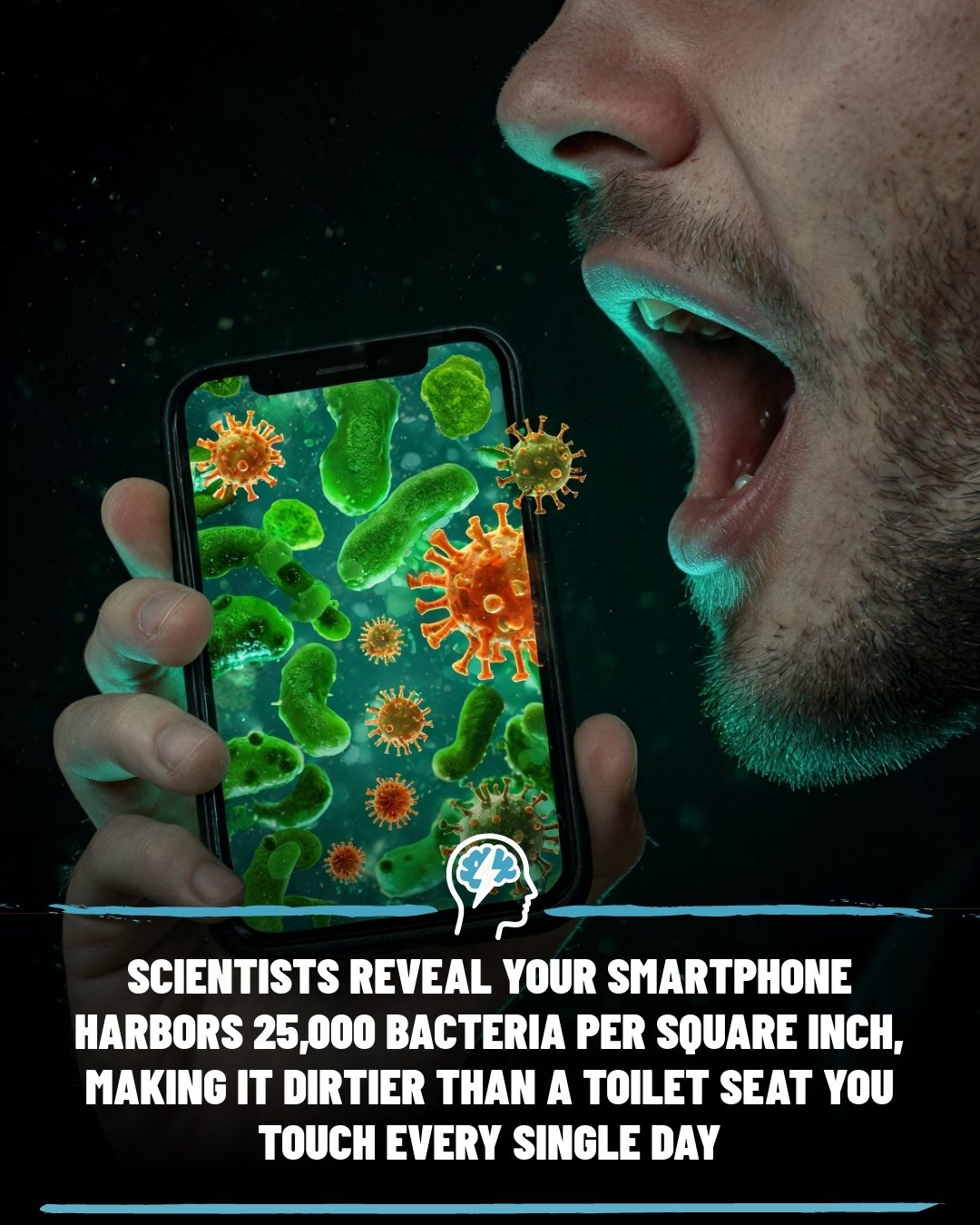
Smartphone Bacteria
Smartphones have become an extension of ourselves, constantly within reach and used for a myriad of tasks throughout the day. However, this constant handling and exposure to various environments make smartphones a breeding ground for bacteria. Understanding the extent of this issue and how to mitigate it is crucial for maintaining good hygiene practices.
Context / Why this matters
Smartphones are carried everywhere, from gyms to restaurants and public transit. This constant movement exposes them to various environments, making them easy carriers of bacteria between different settings. The heat generated by the smartphone's battery provides an ideal environment for bacteria to thrive and multiply. Every interaction with the phone, such as making calls, scrolling, or texting, can transfer bacteria to your body through your nose, mouth, or small cuts on the skin.
Main discussion
The Reality of Smartphone Bacteria
Scientists have revealed a startling fact: a smartphone can harbor approximately 25,000 bacteria per square inch. This number is significantly higher than what is found on most surfaces people consider dirty, including toilet seats. Toilet seats, which are cleaned more frequently and have less skin contact, tend to have a lower bacterial count by comparison. Common bacteria and pathogens found on phones include Staphylococcus aureus, E. coli, Streptococcus, and influenza viruses.
How Bacteria Spread
The constant handling of smartphones contributes to the spread of bacteria. The heat from the battery gives bacteria a place to survive and multiply, creating a favorable environment for their growth. Every interaction with the phone, whether it's making a call, scrolling, or texting, can transfer these germs into your body through your nose, mouth, or small cuts on the skin. This constant exposure increases the risk of skin irritation and seasonal colds.
The Science Behind the Bacterial Load
Smartphones are subjected to various environments throughout the day, making them easy carriers of bacteria. The constant handling and exposure to different surfaces and environments contribute to the high bacterial load. The heat generated by the smartphone's battery further exacerbates the issue by providing an ideal environment for bacteria to thrive and multiply. This makes smartphones a significant source of bacterial contamination, posing a risk to health.
Practical tips
Simple Steps for Cleaning Your Smartphone
Maintaining good smartphone hygiene is straightforward and does not require any special equipment. Here are some practical tips to keep your smartphone clean:
- Use a Microfiber Cloth: A microfiber cloth is gentle on the screen and can effectively remove dirt and smudges. It’s a great tool for daily cleaning.
- Electronics-Safe Disinfectant Wipes: Opt for disinfectant wipes specifically designed for electronics. These wipes are safe for screens and can kill bacteria without damaging the device.
- Avoid Bringing Your Phone to the Bathroom: The bathroom is a hotbed for bacteria. Leaving your phone outside can help reduce exposure to harmful germs.
- Put It Down While Eating: Placing your phone on a table while eating can expose it to food particles and bacteria from your hands.
- Regular Cleaning Routine: Make it a habit to clean your phone regularly. A simple wipe-down can significantly reduce the bacterial load.
Important takeaways
Key Takeaways
- Bacteria on Smartphones: Smartphones can harbor up to 25,000 bacteria per square inch, making them dirtier than toilet seats.
- Common Bacteria: Pathogens like Staphylococcus aureus, E. coli, Streptococcus, and influenza viruses are commonly found on smartphones.
- Heat and Bacteria: The heat from the smartphone's battery creates an ideal environment for bacteria to thrive.
- Cleaning Routine: Regular cleaning with a microfiber cloth and electronics-safe disinfectant wipes can significantly reduce bacterial load.
- Hygiene Practices: Simple habits like not bringing your phone to the bathroom and avoiding touching it while eating can make a big difference.
Conclusion
Smartphones are an essential part of modern life, but they also harbor a significant amount of bacteria. By understanding the science behind smartphone bacteria and implementing simple cleaning routines, you can significantly reduce the risk of skin irritation and seasonal colds. Paying attention to where you set your phone down and how often you clean it can lead to long-term health benefits. Small habits can make a big difference in maintaining good smartphone hygiene.
Watch the Reel
Questions readers ask
How often should I clean my smartphone to maintain good hygiene?
Ideally, you should clean your smartphone at least once a day. This is particularly important if you use your phone in various public settings or share it with others. Regular cleaning helps to remove bacteria and prevent the buildup of germs.
What is the best way to clean my phone screen without damaging it?
To clean your phone screen, use a soft, lint-free cloth and a gentle cleaning solution. Avoid using paper towels or abrasive materials. You can create a cleaning solution by mixing water and a mild soap or using a 70% isopropyl alcohol wipe. Always ensure your phone is powered off before cleaning.
Why are smartphones often dirtier than toilet seats?
Smartphones are constantly handled and exposed to various environments, from public spaces to personal belongings. This frequent contact and exposure to different surfaces make them easy carriers of bacteria. The heat generated by the phone's battery also creates an ideal environment for bacteria to thrive.
Can bacteria transfer from my skin to my phone?
Yes, bacteria can easily transfer from your skin to your phone. Every time you touch your phone, you're potentially transferring germs from your hands. This is why regular cleaning is essential, especially if you use your phone in public settings or after handling common surfaces.
What are some effective phone hygiene tips to keep my smartphone clean?
To maintain good phone hygiene, consider the following tips. Avoid taking your phone to the bathroom. Use a protective case and screen protector. Regularly clean your phone using safe cleaning solutions. Avoid sharing your phone with others. Finally, regularly clean your hands and use hand sanitizers to minimize germs transferred to your phone.
Related deep dives
Similar reads based on topic and creator.




Recent articles
Fresh deep dives from the latest Reels we unpacked.




Comments
Be the first to comment.