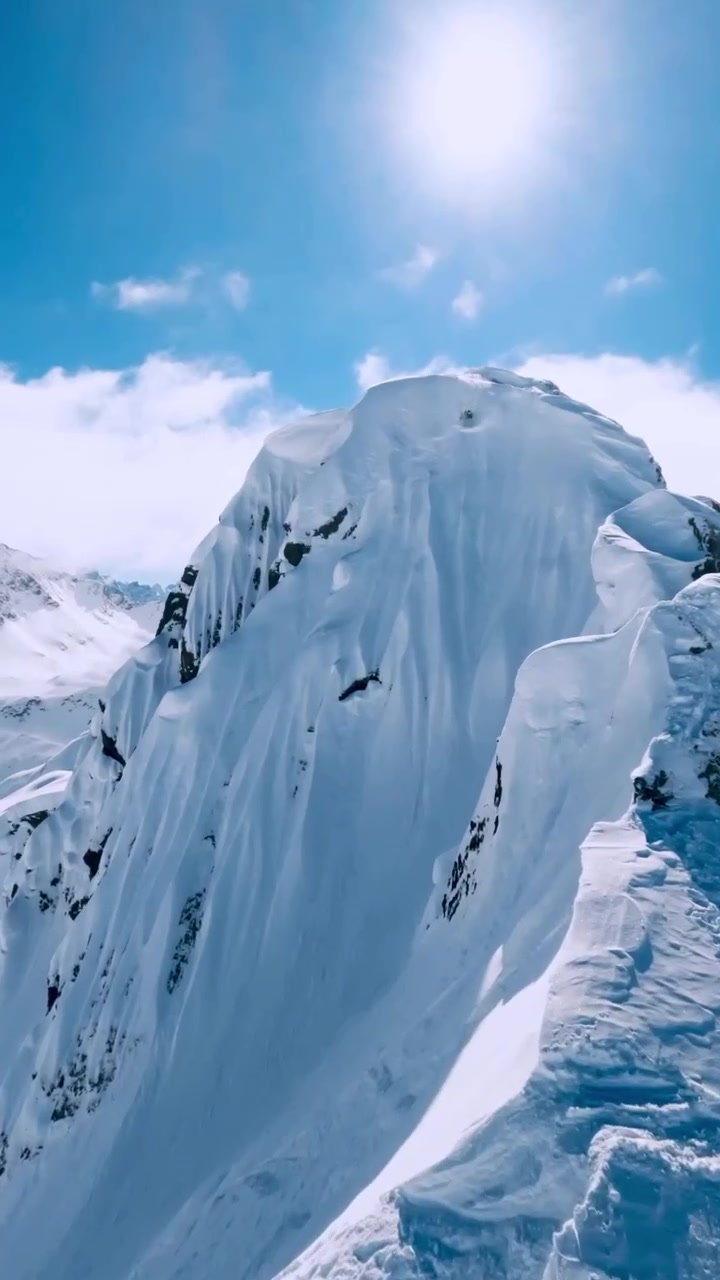
The Sprint Down Deep Rockies Powder
The video opens with an unexpected claim, declaring "I'm always an awful day, and you won't have to hide away, yeah, you'll be a mother boy." This is misleading. If nothing else, it certainly isn't an awful day — as the caption underlines, the video showcases a skier’s journey down a pristine mountain slope, carving a graceful trail through freshly fallen deep powder snow, with the stunning backdrop of towering peaks. The skier's swift, 22-second descent tells the compelling story of navigating the mountain's pristine snow.
Powder Snow: The Defining Element
Powder skiing stands apart from other forms of skiing. It is skiing in fresh, uncompacted snow, often found in deep, undisturbed areas of the mountain. When fresh snow falls and is uncompacted, it leaves untouched "powder" snow. Powder skiing is distinctive for its untouched, soft, and fluffy snow, unlike the hard, packed snow often found on groomed runs. Powder skiing is a thrilling experience for its light, buoyant feel, as skiers float through the snow. This kind of skiing requires a specific set of skills, including balancing, turning, and controlling speed. Powder skiing boasts a freeing and exhilarating experience, as skiers can make fresh tracks in untouched snow, sculpting their own path. However, powder snow skiing isn't always easy. Powder’s weight and depth can make it more physically demanding and slow skiers much further down. Deep powder skiing is the ultimate pursuit of adrenaline and adventure. Powder skiing requires unique techniques, a specific kind of skis, a precise set of skills, and the right conditions.
The High of the Adrenaline High Energy Moment
Skiing offers an array of experiences, from the gentle plow down a bunny hill to the exhilarating descent of black diamonds, but powder skiing is in an entirely different category. In a sport defined by its adherence to the ground, powder skiing momentarily defies gravity, propelling skiers through the air. It is, by every measurement, a high-energy moment. Powder skiing is an energy-intensive activity, requiring skiers to work harder to navigate deep, uncompacted snow. But, it is difficult to appreciate the gravity-defying high of powder skiing without an understanding of the basics. Alternating between powerful turns and graceful drifts, skiing in powder is an exercise in grace and power. Powder skiing is a high-energy moment, exhilarating and invigorating, a testament to the unique joys of skiing in deep powder. But to some, it is a dangerous, unforgiving endeavor. Powder skiing requires a high level of skill, and the risk of injury is always present. It requires a strong understanding of balance, technique and speed, as well as a constantly shifting understanding of the deep powder.
A Zen-like Moment of Utterly Alone in Mindfulness
Skiing in powder means making fresh tracks, making decisions, and leaving your mark on the hill. Skiing in powder feels like a zen-like moment of mindfulness and self-evaluation, in which the skier is utterly alone in the midst of nature. But it is this moment of mindfulness that is the thrill — a zen-like moment of calm and clarity in the midst of chaos. “You won’t have to hide away,” says the skier in the video. They are utterly alone in nature, carving their own path. This is the zen-like moment of ultimate freedom. The technique allows the skier to float seamlessly through the powder, their turns smooth and effortless.
On The Descent: Seamlessness of the Powdered Flow
The descent is where the technical skill and the grace of powder skiing are most evident. The skier carves seamless, flowing turns, using their edges to pivot and control speed in the deep powder. But, it is this flow that is truly what makes powder skiing so exceptional. Powder skiing requires changing your weight distribution to avoid sinking, pivoting and controlling your speed. To control an unbalanced, 130-pound athlete on a 7-foot pair of skis, each weighing 3 pounds, moving at up to 40 mph, requires a deep understanding of weight distribution, momentum, and energy. But it is the flow of the descent that truly defines powder skiing. There is a meditative, almost hypnotic quality to it, as the skier shears through the snow with fluid turns and effortless glides. It is a careful and complex dance, requiring a high level of skill, technique, and understanding of the snow. It is a zen-like moment. The descent is the culmination of the skier's technical skill and understanding of the powder.
The Zen of Deep Powder Descents
Of course, there is no powder without the descent. Deep powder skiing is a dance of the skier and the mountain, of the gravity, and the momentum. The skier is moving quickly, a 130-pound athlete on a 7-foot pair of skis, each weighing 3 pounds, moving at 40 mph. But, by the end of the descent, the skier has left their own mark. Powder skiing is a descriptor of "a zen-like" moment of deep snow.
Powder Skiing: The Ultimate Exercise in Precision and Control
To experience an epic powder day, it is essential to know the conditions, the terrain, and your skiing abilities. Powder skiing is an exercise in precision and control, and, like skiing up the hill, requires a delicate understanding of technique, terrain, and balance. But it is an exercise in precision and control. The powder is essentially a zen-like moment of mindfulness and focus. Before tackling powder, it’s essential to be well-prepared:
- Ski Selection: Select a ski designed for deep powder. These skis are wider and have more surface area to keep you on top of the snow. Ski manufacturers recommend at least a 90–100mm waist width for deep powder.
- Proper Equipment: Wear appropriate clothing for the temperature and conditions. Layering is key. Wear a base layer, a mid-layer, and an outer layer.
- Technique: Practice your turns, pivoting, and weight distribution before attempting to ski in deep powder. This will help you maintain control and stability.
- **Focus on the terrain and the snow. Powder skiing is an exercise in precision and control. The skier and the mountain are in constant dialogue, an exercise in precision and control, a zen-like moment of mindfulness. It is an exercise in precision and control, an exercise in precision and control. The skier is a king moving through the snow.
Leave Fresh Tracks
Do not expect a deep powder day with soft turns and low-key moments of joy.Powder skiing offers a unique and thrilling experience that sets it apart from other forms of skiing. Deciding to try skiing in deep powder is about more than just having a good time. Powder skiing is a pursuit of adrenaline and adventure, a zen-like moment of mindfulness, and an exercise in precision and control. Powder skiing is a thrilling experience, an exercise in precision and control.
Watch the Reel
Questions readers ask
What exactly is powder snow and how is it different from regular snow?
Powder snow is fresh, uncompacted snow that is soft, fluffy, and light. It's different from the hard, packed snow you find on groomed runs, which is what most people are used to skiing on. Powder snow provides a unique, buoyant feeling as you ski through it, almost like floating.
What kind of skills do I need to ski in powder?
Powder skiing requires a specific set of skills. You need to be able to balance, turn, and control your speed in deep, uncompacted snow. It's more physically demanding than skiing on groomed runs, so you'll need to be in good shape and have a strong understanding of your technique.
Is powder skiing more dangerous than regular skiing?
Powder skiing can be more dangerous due to the increased risk of injury from falling in deep snow or losing control in unpredictable conditions. It requires a high level of skill and constant awareness of your surroundings and technique. Additionally, there's always the risk of getting caught in an avalanche in deep powder, so it's important to be aware of the mountain conditions and take the necessary precautions.
What equipment do I need for powder skiing?
For powder skiing, you'll need skis that are designed for deep snow. These skis are typically wider and have a larger surface area to help you float on top of the powder. You'll also need appropriate clothing and safety gear, such as an avalanche beacon, probe, and shovel.
Can I go powder skiing on a regular day at the ski resort?
Powder skiing typically requires fresh snow that hasn't been compacted or groomed. This means you'll usually need to go after a significant snowfall, and even then, it's often best to seek out untouched areas of the mountain. Some ski resorts may offer guided powder tours or have specific areas designated for powder skiing.
What should I do if I fall in deep powder and can't get up?
If you fall in deep powder and can't get back up, try to stay calm and assess your situation. If you're in a group, call out to your companions for help. If you're alone, try to create a makeshift platform with your skis or poles to help you get out of the snow. If it is available, use a whistle or other signaling device to alert others to your location.
How can I find untracked powder?
Finding untracked powder often means venturing off the beaten path and into the backcountry. You can ask resort staff for recommendations on where to find fresh powder. It is also recommended to go early in the morning, after a fresh snowfall, to beat the crowds and make the first tracks. Always check the avalanche forecast and carry safety gear when venturing into the backcountry.
Related deep dives
Similar reads based on topic and creator.



Recent articles
Fresh deep dives from the latest Reels we unpacked.


Comments
Be the first to comment.