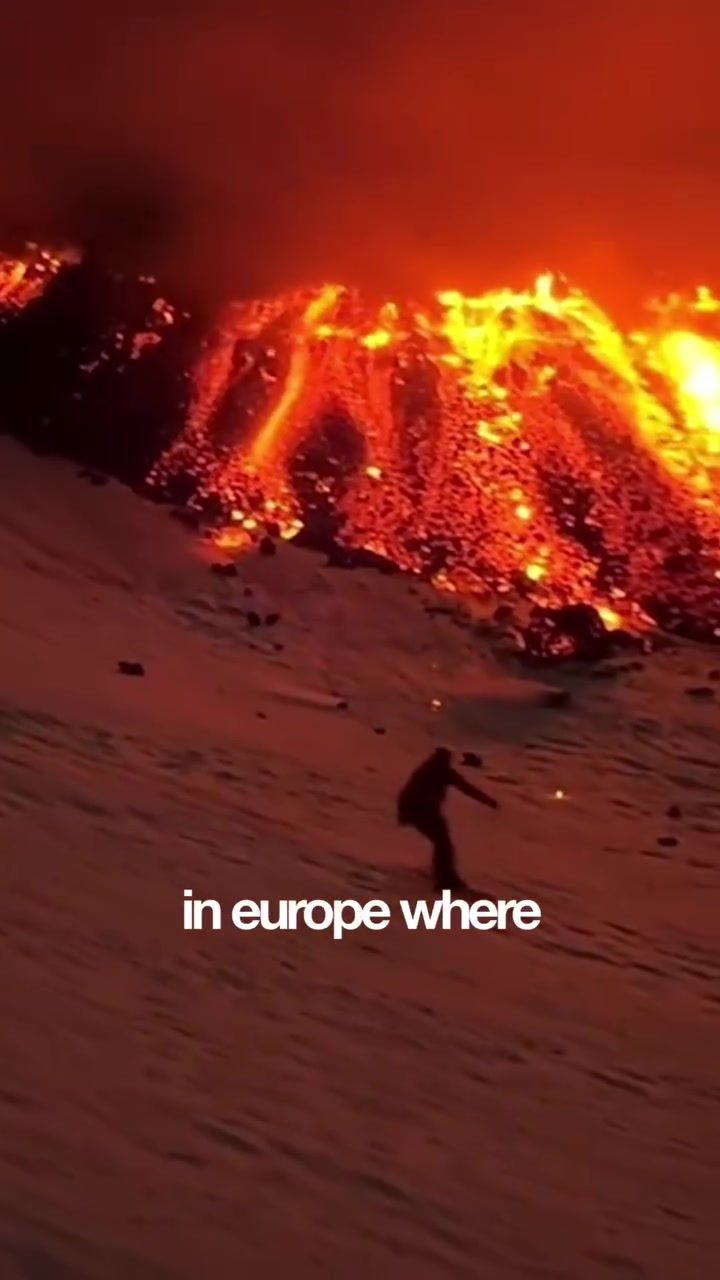
Skiing on the Edge: Mount Etna, Sicily's Active Volcano
Mount Etna in Sicily, is a unique destination for winter sports enthusiasts. Skiing on an active volcano offers a once-in-a-lifetime experience, combining the thrill of winter sports with the raw power of nature. This extraordinary location provides a backdrop that is both breathtaking and surreal, making it a standout destination for those seeking an unusual ski adventure in Europe.
Context / Why This Matters
The Mediterranean climate of Sicily provides a distinct advantage for skiing on Mount Etna. The volcano’s north face holds natural snow from late December through March and is situated at elevations ranging from 1,800 to 2,300 meters. The summit is usually higher than 3,400 meters. This unique climate allows for a long ski season, lasting roughly four months, with plenty of snowfall. The affordability of the experience makes it even more appealing.
Skiing on Mount Etna
Affordability
One of the standout features of skiing on Mount Etna is its affordability. A day pass costs around 35 euros, which is roughly half of what most alpine glacier resorts charge during peak season. This makes it an attractive option for those looking to enjoy a ski day without breaking the bank.
Unique Landscape
The contrast between the snow-capped slopes and the volcanic activity is striking. The north side of Mount Etna, particularly the area around Piano Provenzana, offers a variety of runs that cater to different skill levels. Skiers can enjoy views of the Ionian Sea, which lies directly below the slopes. The south side, reached via Nicolosi, provides additional runs.
Volcanic Activity
Mount Etna is one of the most active volcanoes in the world, and its eruptions have occasionally disrupted ski operations. Lifts have been closed multiple times in recent years due to volcanic activity. This adds an element of unpredictability and adventure to the experience, making it even more thrilling for those who are not deterred by the potential risks.
The Skiing Experience
Terrain and Runs
Mount Etna’s skiing terrain is diverse, with runs that offer a mix of challenges and scenic beauty. The active ski area, at Piano Provenzana on the north side, caters to a variety of skill levels. Skiers can enjoy the natural snow that accumulates on the slopes, providing a unique and authentic skiing experience.
Views and Vistas
One of the most captivating aspects of skiing on Mount Etna is the stunning views. Skiers can look out over the Ionian Sea, offering a breathtaking panorama that combines the beauty of the Mediterranean with the raw power of an active volcano. The contrast between the snow, sea, and volcanic landscape is truly unique.
Practical Tips
Best Time to Visit
The best time to visit Mount Etna for skiing is from late December through March. This is when the north face holds natural snow, providing optimal conditions for skiing. The area's elevation and climate ensure that the snow stays abundant and stable throughout the season.
What to Bring
When visiting Mount Etna for a skiing adventure, it's essential to come prepared. Proper ski gear, including helmets, goggles, and appropriate clothing for variable temperatures, is a must. Given the unpredictable nature of the volcano, staying aware of any potential hazards or changes in the weather is also crucial.
Safety Precautions
Skiing on an active volcano comes with its own set of risks. It's important to stay informed about any volcanic activity and follow the guidance of local authorities. In case of any eruptions or disruptions, being aware of evacuation procedures and safety protocols is essential. Always check the latest conditions and weather forecasts before heading out.
Important Takeaways
Skiing on Mount Etna offers an unparalleled experience that combines the thrill of winter sports with the awe-inspiring power of an active volcano. The affordability, unique landscape, and diverse terrain make it a must-visit destination for adventure seekers. The natural beauty of the Mediterranean Sea, the unpredictability of volcanic activity, and the contrast between snow and lava create a skiing experience like no other in Europe.
The season runs from late December through March, providing ample opportunity to enjoy the slopes. The affordability of the day passes makes it an attractive option for those looking to experience something truly extraordinary.
Conclusion
Mount Etna in Sicily stands out as a unique and thrilling destination for ski enthusiasts. The combination of affordable ski passes, stunning Mediterranean views, and the raw power of an active volcano makes it an unforgettable experience. For those seeking an unusual ski adventure, Mount Etna offers a once-in-a-lifetime opportunity to ski on the edge of nature's most dramatic forces.
Watch the Reel
Questions readers ask
What makes skiing on Mount Etna unique compared to other ski destinations in Europe?
Skiing on Mount Etna is unique because it offers the thrill of skiing on an active volcano, combined with the natural beauty of the Mediterranean climate. The volcano’s north face, at elevations ranging from 1,800 to 2,300 meters, provides a natural snowpack from December to March, making it an ideal destination for adventurous skiers. The combination of thrilling slopes and the raw power of nature makes it a standout destination.
What kind of skiing conditions can I expect on Mount Etna?
Mount Etna offers a unique skiing experience with natural snow from late December through March. The volcano’s north face is typically less windy, ensuring better snow conditions. As you ski through the volcanic landscape, you will encounter terrain ranging from gentle slopes to thrilling runs, all while enjoying stunning views of the surrounding mountains.
What activities can I enjoy besides skiing while visiting Mount Etna?
While skiing is the main attraction on Mount Etna, there are other activities to enjoy. You can take a guided tour to explore the volcano’s craters and lava fields, providing a unique perspective on the geological activity. Additionally, the nearby town of Nicolosi offers dining and shopping options, allowing visitors to experience local culture.
How does the weather on Mount Etna compare to other ski destinations in Europe?
The Mediterranean climate of Sicily provides a distinct advantage for skiing on Mount Etna. The surrounding mountains create a unique microclimate that often results in more stable snow conditions, and its high altitude ensures abundant snowfall from late December to March.
What should I pack for a ski trip to Mount Etna?
For a ski trip to Mount Etna, pack layers appropriate for cold and windy conditions, including a warm base layer, insulated mid-layer, and a waterproof and windproof outer layer. Don’t forget essentials like gloves, a helmet, and goggles. Additionally, bring sturdy hiking boots and warm clothing for exploring the volcano’s craters and lava fields.
Related deep dives
Similar reads based on topic and creator.




Recent articles
Fresh deep dives from the latest Reels we unpacked.




Comments
Be the first to comment.