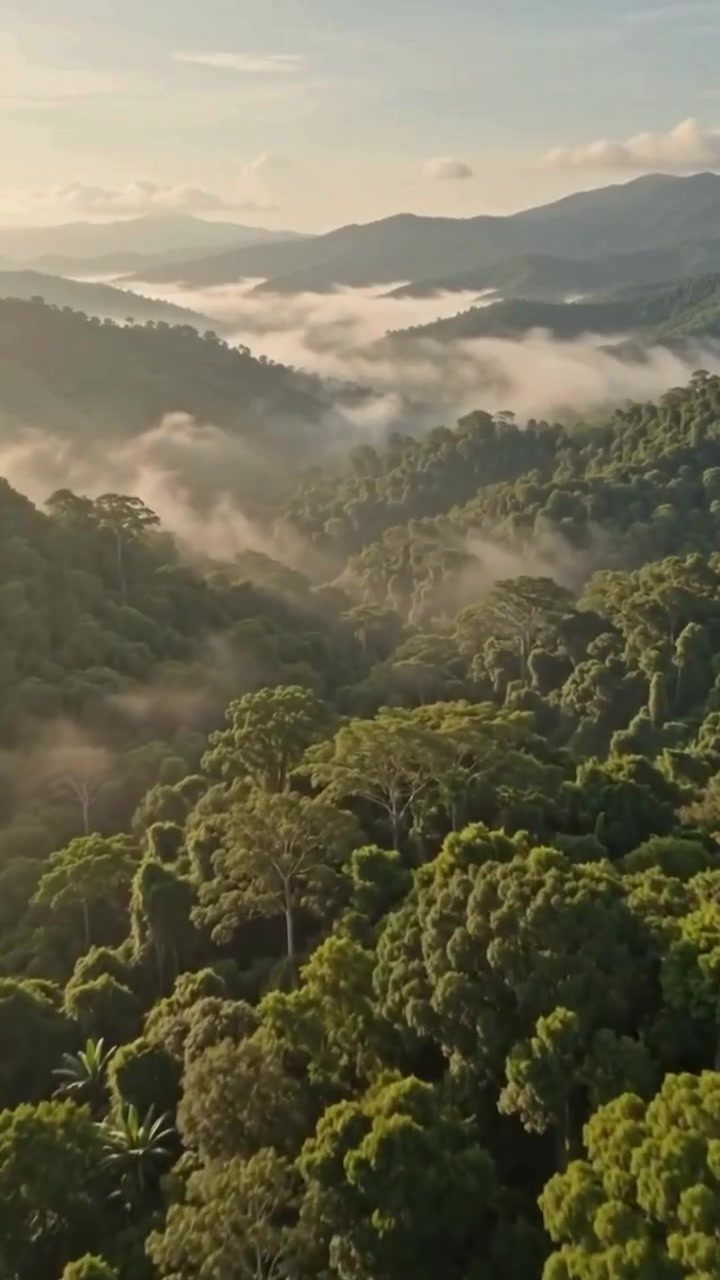
The Disappearing Sierra Madre: Deforestation in the Philippines
The Sierra Madre, the Philippines' longest mountain range, is a critical natural barrier that protects millions from storms and serves as a habitat for thousands of plant species. Despite its legal protections, the Sierra Madre is disappearing at an alarming rate of 9,000 hectares annually. This ongoing deforestation threatens not only the ecosystem but also the millions of people who rely on its protective shield.
Why This Matters
The Sierra Madre is not just a scenic landscape; it is a vital ecosystem that supports a rich diversity of plant and animal life. The nearly 1.4 million-hectare forest hosts over 3,500 plant species and serves as a critical habitat for a variety of wildlife. Additionally, the range acts as a natural storm barrier, protecting millions of people from the destructive forces of typhoons and other severe weather events. The deforestation of the Sierra Madre has far-reaching consequences that extend beyond the environment, impacting the lives and livelihoods of those who depend on its ecological services.
The Scope of the Problem
Legal Protections and Ongoing Threats
The Sierra Madre, particularly the Northern Sierra Madre, has been legally protected since 2001 under Republic Act 9125. This act bans logging and exploitation within its strict protection zones. Despite these legal safeguards, illegal logging, mining, and land conversion continue largely unchecked. In 2024 alone, the country lost 44,000 hectares of natural forest, prompting a new bill that seeks a total ban on logging, mining, and large-scale development across the entire range. The persistence of these illegal activities highlights the challenges in enforcing environmental laws and the need for stricter measures to protect the Sierra Madre.
The Human Impact
The deforestation of the Sierra Madre has significant implications for the communities that rely on it. The loss of forest cover increases the risk of landslides, soil erosion, and flooding, which can devastate nearby settlements. Moreover, the degradation of the forest reduces its ability to act as a natural storm barrier, leaving communities more vulnerable to the impacts of severe weather events. The loss of biodiversity also affects the livelihoods of indigenous communities who depend on the forest for their sustenance and cultural practices.
Practical Tips for Conservation
Community Involvement
Engaging local communities in conservation efforts is crucial. Community-based initiatives can help monitor and protect the forest, while also providing alternative livelihoods that reduce dependence on logging and other destructive activities. By involving local residents, conservation efforts can be more sustainable and effective.
Enforcement and Law
Strengthening law enforcement and implementing stricter penalties for illegal logging, mining, and land conversion can deter these activities. Regular patrols and surveillance, along with community-based reporting systems, can help identify and stop illegal activities more effectively. Additionally, transparent and accountable governance can ensure that environmental laws are enforced without corruption.
Sustainable Development
Promoting sustainable development practices can help reduce the pressure on the forest. This includes supporting eco-friendly tourism, sustainable agriculture, and renewable energy projects. By providing economic alternatives, communities can benefit from the forest without exploiting it, ensuring long-term sustainability.
Research and Education
Continuous research and education are essential for understanding the impacts of deforestation and developing effective conservation strategies. By raising awareness about the importance of the Sierra Madre and the threats it faces, more people can be mobilized to support conservation efforts. Education programs can also empower communities to take action and advocate for the protection of their natural heritage.
Important Takeaways
The deforestation of the Sierra Madre is a complex issue that requires a multi-faceted approach. Here are some key takeaways:
- The Sierra Madre's deforestation is occurring at a rate of 9,000 hectares per year, despite legal protections.
- Illegal logging, mining, and land conversion continue unabated, posing significant threats to the ecosystem and the communities that depend on it.
- Community involvement, stricter law enforcement, sustainable development, and continuous research and education are essential for effective conservation.
- The ongoing degradation of the Sierra Madre has far-reaching consequences that extend beyond the environment, impacting the lives and livelihoods of millions of people.
- Protecting the Sierra Madre is not just an environmental issue; it is a matter of human survival and well-being.
Conclusion
The Sierra Madre's deforestation is a critical issue that demands immediate attention and action. By understanding the scope of the problem, involving local communities, enforcing laws, promoting sustainable development, and investing in research and education, we can work together to protect this vital ecosystem and the communities that depend on it. The future of the Sierra Madre and the millions of people who rely on it depends on concerted efforts to conserve and protect this invaluable resource.
Watch the Reel
Questions readers ask
What is the current rate of deforestation in the Sierra Madre?
The Sierra Madre is losing approximately 9,000 hectares of forest annually. This rapid deforestation is alarming and underscores the urgent need for conservation efforts.
How does the Sierra Madre benefit the communities in the Philippines?
The Sierra Madre serves as a crucial natural barrier, protecting millions of people from storms. It also supports the livelihoods of many communities and provides essential ecosystem services.
What are the main causes of deforestation in the Sierra Madre?
The primary causes of deforestation in the Sierra Madre include illegal logging, agricultural expansion, and mining activities. These activities are often driven by economic pressures and lack of enforcement of environmental regulations.
What kind of wildlife does the Sierra Madre support?
The Sierra Madre hosts a diverse array of wildlife, including many plant species and animals. Its rich biodiversity makes it a critical habitat for many species, some of which are endangered.
What organizations are working to protect the Sierra Madre?
Organizations like the Haribon Foundation are actively involved in conservation efforts to protect the Sierra Madre. They work on various initiatives, including reforestation, community engagement, and advocacy for stronger environmental policies.
What can individuals do to help prevent further deforestation in the Sierra Madre?
Individuals can support reforestation projects, advocate for stricter environmental laws, and promote sustainable practices. Raising awareness about the importance of the Sierra Madre and the impact of deforestation is also crucial.
Related deep dives
Similar reads based on topic and creator.

Recent articles
Fresh deep dives from the latest Reels we unpacked.



Comments
Be the first to comment.