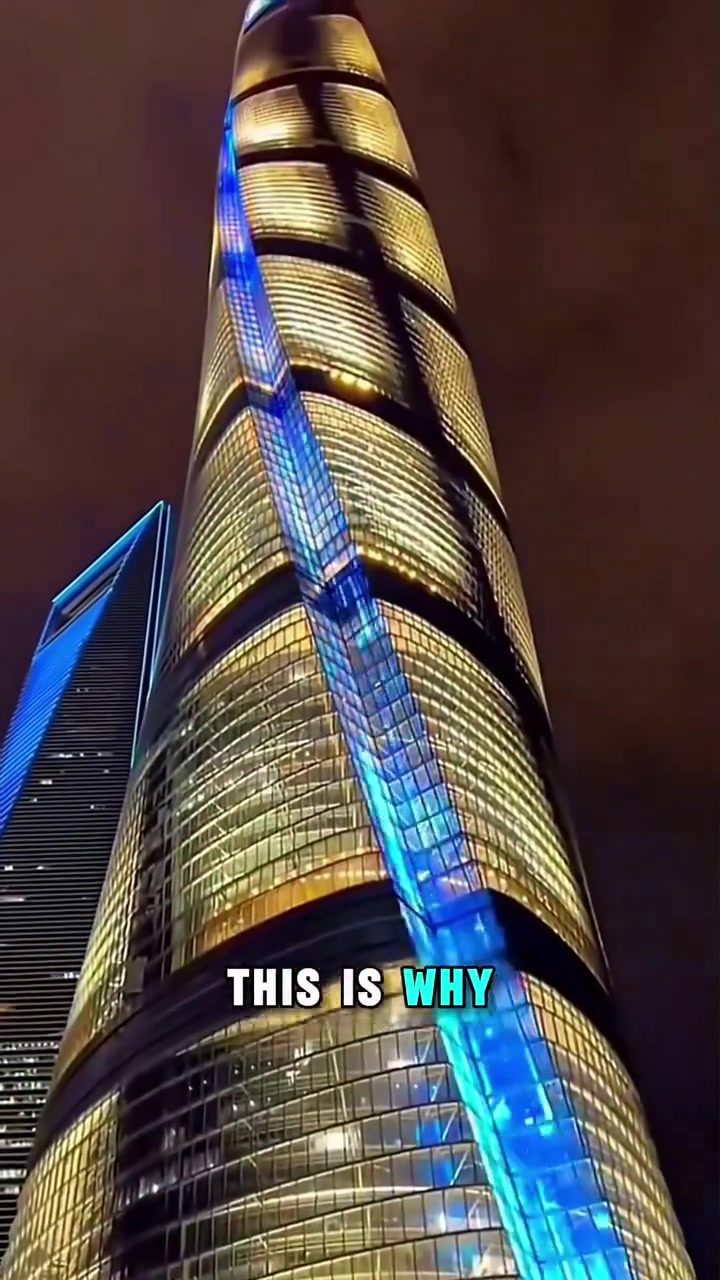
Shanghai Tower: A Marvel of Modern Engineering
The Shanghai Tower stands as a testament to human ingenuity and architectural prowess. Rising 632 meters into the sky, this skyscraper is not just impressive for its height but also for its innovative design and engineering. Understanding what makes the Shanghai Tower nearly impossible to replicate involves delving into its unique structural features and the challenges it overcomes.
Why This Matters
Modern skyscrapers are more than just tall structures; they are engineering marvels that defy the laws of physics. The Shanghai Tower exemplifies this by incorporating cutting-edge design elements that allow it to withstand extreme environmental conditions. Its design is a response to the unique challenges posed by its location and height, making it a pioneer in the field of high-rise construction.
The Twisting Design
Fighting the Laws of Physics
Many people believe that super tall buildings are simply stacks of steel and concrete. However, the reality is far more complex. These structures are engineered to withstand extreme winds, vibrations, and massive temperature changes. The Shanghai Tower's twisting design is a key feature that helps it achieve this feat. The building's 127 floors are slightly rotated as they rise, reducing wind pressure and enhancing its stability.
Wind Resistance
At 600 meters up, wind does not gently blow; it slams against the building. This is where the Shanghai Tower's unique design comes into play. The twisting shape helps to disperse the wind's force, making the building more resilient to high winds and typhoons. This engineering marvel ensures that the tower remains stable and safe, even in the harshest weather conditions.
Inside the Vertical City
A Hub of Activity
The Shanghai Tower is more than just a skyscraper; it is a vertical city. Inside, you'll find a bustling ecosystem packed with offices, shops, and even a luxury hotel. This vertical integration allows for a self-sufficient environment, reducing the need for commuting and promoting sustainability.
High-Speed Elevators and Observation Decks
The tower's high-speed elevators can reach the top in just 55 seconds, making it one of the fastest in the world. The glass observation deck offers breathtaking views of Shanghai, leaving many visitors awe-struck. This combination of speed and sightseeing adds to the tower's appeal, making it a popular destination for both locals and tourists.
Adaptive Engineering
Constant Adaptation
The Shanghai Tower is not a static structure; it is a dynamic system that constantly adapts to its environment. It is engineered to withstand typhoons, structural movement, and changing weather conditions. This adaptability is crucial for a building of its size and height, ensuring its longevity and safety.
Beyond a Building
The Shanghai Tower is more than just a building; it is an entire city built upward. This vertical city concept is a model for future urban development, addressing issues of land use and overcrowding in densely populated areas. By incorporating various functions into a single structure, the tower minimizes environmental impact and maximizes efficiency.
Practical Tips for Understanding Modern Skyscrapers
Appreciating the Complexity
When viewing modern skyscrapers, it's important to appreciate the complexity of their design and engineering. Understanding the challenges they overcome and the innovative solutions implemented can enhance your appreciation for these architectural marvels. Look for unique features like the twisting design of the Shanghai Tower, which serve a specific engineering purpose.
Learning from Observation
Observation decks and tours can provide valuable insights into the design and engineering of skyscrapers. Pay attention to the structural features and how they contribute to the building's stability and functionality. This firsthand experience can deepen your understanding and appreciation for these engineering wonders.
Important Takeaways
The Shanghai Tower's unique design and engineering make it nearly impossible to replicate. Its twisting structure, high-speed elevators, and adaptive engineering set new standards in high-rise construction. The vertical city concept showcased by the Shanghai Tower offers a model for future urban development, addressing issues of land use and sustainability.
Conclusion
The Shanghai Tower is a marvel of modern engineering, showcasing innovative design and engineering solutions that defy the laws of physics. Its unique twisting structure, high-speed elevators, and adaptive engineering make it a pioneer in the field of high-rise construction. By understanding the complexities and innovations behind the Shanghai Tower, we gain a deeper appreciation for the engineering prowess that goes into building these architectural marvels. As we look to the future, the Shanghai Tower serves as a model for sustainable and efficient urban development, inspiring future generations of architects and engineers.
Watch the Reel
Questions readers ask
How tall is the Shanghai Tower and what makes its height significant?
The Shanghai Tower stands at an impressive 632 meters, making it one of the tallest buildings in Shanghai. Its height is significant not just for its scale, but also because it poses unique engineering challenges, particularly in terms of wind resistance and structural stability.
What is unique about the Shanghai Tower's design?
The Shanghai Tower features a distinctive twisting design that sets it apart from other skyscrapers. This design helps to reduce wind resistance and improve the building's overall stability, making it a pioneer in high-rise construction techniques. The twist also allows for better distribution of structural loads.
What environmental conditions does the Shanghai Tower need to withstand?
The Shanghai Tower is engineered to withstand a variety of extreme environmental conditions, including high winds, earthquakes, and temperature fluctuations. Its unique design and advanced engineering techniques ensure that it remains stable and safe, even in the face of these challenges.
How does the Shanghai Tower's design defy physics?
The Shanghai Tower's design incorporates elements that counter typical engineering challenges. For instance, its twisting shape helps to distribute wind forces more evenly across the building. This design minimizes the swaying motion that tall structures often experience, making it a standout in modern skyscraper construction.
What are some of the key engineering challenges in constructing a skyscraper like the Shanghai Tower?
Key challenges include managing wind resistance, ensuring structural stability, and addressing the unique environmental conditions of its location. Engineers must also consider the distribution of loads, the impact of temperature changes, and the potential for earthquakes. The Shanghai Tower's innovative design tackles these issues with cutting-edge engineering techniques.
What are the benefits of the Shanghai Tower's twisting design?
The twisting design of the Shanghai Tower offers several benefits. It enhances the building's stability by reducing wind loads and minimizing sway. Additionally, this design allows for better distribution of structural loads, leading to a more efficient and safer building. It also improves the building's aerodynamics, further enhancing its resilience.
What makes the Shanghai Tower a pioneer in high-rise construction?
The Shanghai Tower is a pioneer in high-rise construction due to its innovative engineering solutions and unique design. Its ability to withstand extreme environmental conditions and its advanced construction techniques set a new standard for future skyscrapers, making it a model for modern architectural design.
Related deep dives
Similar reads based on topic and creator.




Recent articles
Fresh deep dives from the latest Reels we unpacked.




Comments
Be the first to comment.