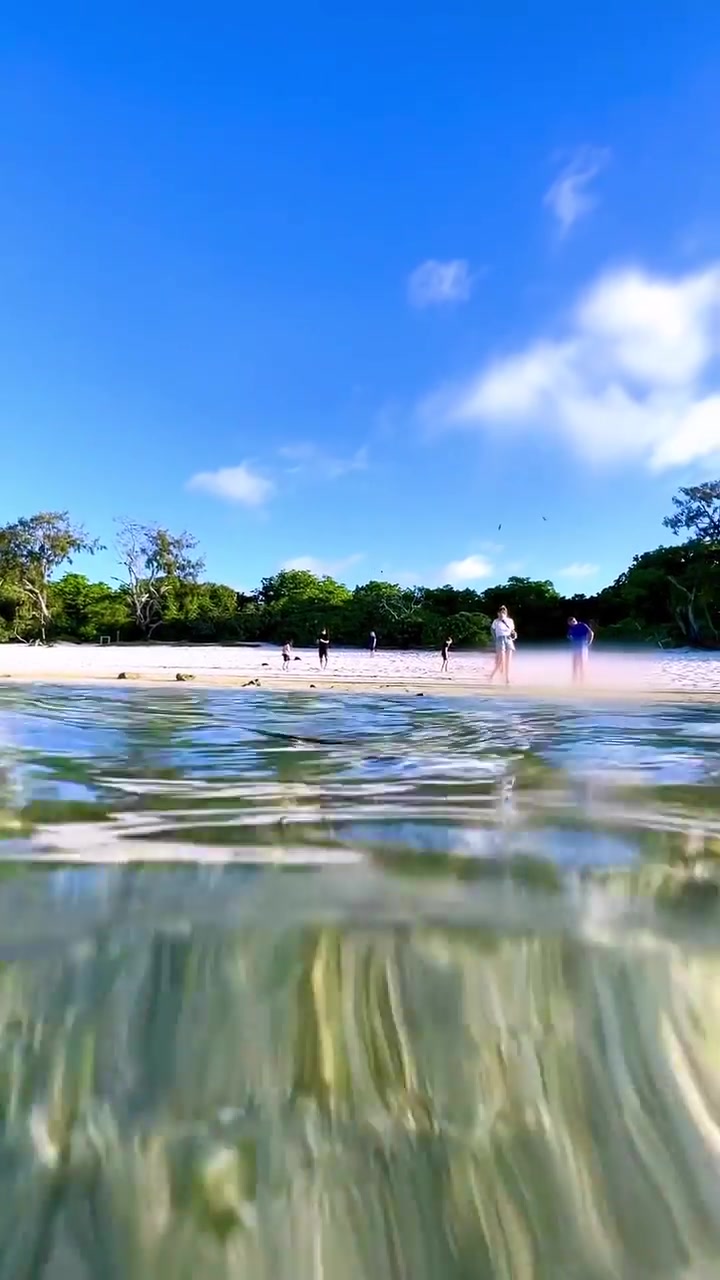
The underwater journey of baby sea turtles captured by @aleksmutated off Australia's Heron Island offers a vivid glimpse into a poignant natural process. Bright rays illuminate the clear, shallow water as the hatchlings paddle toward the shore. Without hesitation, each turtle ventures through the transparent ocean, and begins its journey as a marine animal. The footage highlights an extraordinary event in the delicate balance of marine life. Here, baby sea turtles are swimming through the shallow, clear waters of Heron Island, a protected habitat nestled off the Queensland coast, Australia. The video not only captures a breathtaking sight but also underscores the island's rich biodiversity.
Hatchling Voyage
Heron Island is a sanctuary for wildlife, including a diverse array of fauna and marine animals. One of the most delicate marine animals is the sea turtle, which nests on the island and whose tiny hatchlings make a critical journey towards the sea. When turtles hatch, they instinctively paddle toward the brighter horizon, which is usually the ocean. Baby sea turtles make the perilous swim to the open sea, where they stay until they are older. These young creatures must navigate through predators, currents, and other obstacles as they make way to the ocean.. The swimming path of baby sea turtles is fraught with dangers, both from natural predators and human impact. These hatchlings are about the size of a golf ball, a more vulnerable prey for birds, fish, and even crabs. Sea turtles are fragile during these early phases of their lives, and each turtle that reaches the sea has numerous miles to swim before they can return to the shore. The hatchlings improve their swimming skills throughout their first hours at sea and avoid predators by swimming to a depth of at least five feet below the water's surface. Sea turtles are known for their pelagic (open ocean) juvenile stage, which lasts from a few years to more than ten years. Because they are solitary creatures during this time, scientists rarely study sea turtles during these years. Researchers have discovered that juvenile sea turtles can range from eastern Australia to Japan, across to the east coast of Africa, and north to Egypt and Libya. Young sea turtles swim endless miles without entering any other land area.
Ocean Stewardship
The significance of the ocean is immense and covers several key aspects. The oceans are pivotal in maintaining the world's balance and are one of the main reasons for life's existence. The oceans also serve as a vital source of biodiversity, sheltering a wide range of marine species. The video of hatchlings underscores the delicate balance of marine ecosystems and their importance. Oceans are vital for many reasons. They are crucial for regulating the climate, supplying food, medicine, and providing transport and trade routes. Oceans also harness renewable energy, absorbing excessive carbon dioxide, and play a crucial role in mitigating climate change. Oceans are a valuable resource for recreation and tourism, and they inspire cultural, spiritual, and artistic expressions. The ocean is an invaluable source of resources, but it's also essential to maintain it. The video highlights the importance of ocean stewardship and the need to preserve marine habitats for future generations. Heron Island, and other protected areas, ensure that wildlife can thrive undisturbed. A protected habitat like Heron Island is crucial for the survival of marine life. The island provides a sanctuary for sea turtles and other marine animals, offering a safe and natural habitat. The preservation of such habitats ensures that future generations can appreciate and experience the beauty and diversity of marine life. Additionally, the footage reminds viewers of the worldwide problem of marine litter. Every year, about 14 billion pounds of trash are thrown into the ocean. Marine debris comes from various sources, including illegally dumped trash, trash that is blown from land and carried to the ocean by wind or streams, and trash from ships or boats.
Heron Island's Unique Perch
Heron Island might be tiny—just 800 meters long—but it's a biodiversity powerhouse. Its vibrant coral reefs bloom with life. In addition to the sea turtles, the island hosts manta rays, dolphins, and an array of beautiful coral reef fish. This rich ecosystem is protected by law, ensuring that the marine life thrives without human interference. For example, its coral gardens are full of schools of parrot fish and anemone fish. The lagoon and reef support more than 300 fish species, and close to 200 hundred coral and sponge species are found here. It's also an important birder's paradise, as it hosts 70 different species, as well as being a significant nesting site. Heron Island is also protected from shore erosion due to its ring shape, reef foundation, and the fact that the current flows around the island. Climate change threatens more than 600 species of reef-living fish and invertebrates. Heron Island, fortunately, has been mostly spared from the effects of coral bleaching. Heron Island's reefs have been framed by a complex geological structure of coral limestone and sands, making the reefs less vulnerable to the destructive elements of cyclones, storms, and whirlpools.
The Hatchling Swim
The hatchling turtle's path is a fraught journey to the sea, but very few of them are lucky enough to make it. Each turtle lays multiple nests each year so that at least a few hatchlings make their way to the ocean. Many mini predators, including ghost crabs, birds and fish, are waiting to feed on some of the hatchlings during their journey to the ocean. The juveniles then face countless obstacles, including currents, jellyfish, and more, not leaving the ocean for years. Heron Island's clear waters provide a unique vantage point to witness sea turtle hatchlings swimming toward the open ocean and start their journey upon the water. The video captures the bittersweet moment as the hatchlings navigate the waters, dodging potential dangers and driven by their innate instincts. At this stage, the baby sea turtles are relatively helpless and completely at the mercy of the open ocean.
The Marked Path
Follow the natural instincts of baby turtles on a journey. They navigate carefully and swim towards the bright horizon, which is usually the open sea. They spend the next few years swimming in the open sea for a level of safety and their survival. However, the open ocean is warned. Baby sea turtles face numerous predators, strong currents, and other obstacles. The hatchlings of these mariners wear their fertile shells and play along the shore to greet the sea before swimming through the vast open ocean. This video is a special experience of watching the baby turtles making their way to the ocean. Capturing this special moment on camera is an intriguing experience that showcases the beauty and fragility of nature. After the hatchling makes its way to the ocean it will spend their next 2-10 years swimming in the open ocean before they return to a reef. They will find a place to rest either on floating seaweed or other objects until they return to the reef.
A Journey Into Reefs
Baby sea turtles instinctively search for the ocean and navigate their way back to a reef. The journey takes time to learn the basics and to venture back closer to the coral reefs. Heron Island offers a reef sanctuary that is filled with 200 coral and sponge species, and 300 fish species. The nursery stays protected by law under the Great Barrier Reef Marine Park. The reeded sanctuary provides a home for the hatchlings to start their journey along the reefs and capture the wave of the ocean well. The deep water provides clear views of some marine creatures including baby sea turtles, blue damselfish, and clark's anemonefish. On clear days coral is visible and the waters are crystal-clear and inviting.
A More Shoreline-Distant Generation
Are sea turtles in danger? In addition to the natural predators, sea turtles are threatened by plastic pollution and the Great Pacific Garbage Patch. Marine debris entangles and ingests sea turtles, causing severe injury and death. Boating accidents, habitat destruction, and by-catch are also contributing factors to the turtles' endangered species status.
Visit the Coral Reef
Make the most of your visit to Heron Island by seeking out turtle hatchlings. Dedicated guides at Heron Island offer an immersive experience for visitors. The guides give visitors a close-up experience of the island's diverse marine life. The guides share valuable information on sea turtles and the island's conservation efforts, highlighting why protecting these habitats is crucial for marine biodiversity A visit to Heron Island offers a unique opportunity to witness the natural beauty of the island's diverse marine life and to learn about the importance of protecting delicate marine ecosystems. The island supports a rich ecosystem with over 200 coral and sponge species, and 300 fish species, making it a vital habitat for many marine animals.
Watch the Reel
Questions readers ask
What specific dangers do sea turtle hatchlings face during their journey to the ocean?
Sea turtle hatchlings face a multitude of dangers during their journey to the ocean. They are vulnerable to predators such as birds, fish, and crabs due to their small size. Additionally, they must navigate through strong currents and other obstacles in the water. Even with their natural instincts, the journey is perilous, and not all hatchlings survive.
How do baby sea turtles find their way to the ocean?
Baby sea turtles instinctively paddle toward the brighter horizon, which is usually the ocean. This is a natural response that helps them begin their journey as marine animals. The clear, shallow waters of places like Heron Island make it easier for them to navigate toward the open sea.
What is the significance of the pelagic juvenile stage in sea turtles' lives?
The pelagic juvenile stage is a crucial phase in a sea turtle's life where they spend several years to more than a decade in the open ocean. During this time, they improve their swimming skills and avoid predators. However, it is also a challenging period for researchers to study them due to their solitary nature and vast ranging habits.
Why is Heron Island an important habitat for sea turtles?
Heron Island, located off the Queensland coast in Australia, is a protected habitat that serves as a sanctuary for sea turtles. It provides a safe nesting ground for these marine animals and supports a rich biodiversity. The island's clear, shallow waters offer an ideal environment for hatchlings to begin their journey to the open sea.
How do hatchlings avoid predators during their swim to the sea?
Hatchlings avoid predators by swimming to a depth of at least five feet below the water's surface. This strategy helps them evade birds and other surface predators. However, they still face threats from marine animals like fish and crabs during their perilous journey.
What role do oceans play in maintaining the world's balance?
Oceans are crucial for regulating the climate, supplying food, medicine, and providing transport and trade routes. They absorb excessive carbon dioxide, which helps mitigate climate change. Additionally, they are a vital source of biodiversity, housing a wide range of marine species and inspiring cultural, spiritual, and artistic expressions.
How do sea turtles contribute to the delicate balance of marine life?
Sea turtles play a significant role in marine ecosystems by maintaining the health of seagrass beds and coral reefs, which support a diverse range of marine life. Their nesting and hatching processes, as seen on Heron Island, are critical for the survival of their species and the overall balance of marine life. The video of hatchlings swimming to the ocean underscores this delicate balance and the importance of protecting these habitats.
Related deep dives
Similar reads based on topic and creator.


Recent articles
Fresh deep dives from the latest Reels we unpacked.




Comments
Be the first to comment.