Seabird Nesting Platforms
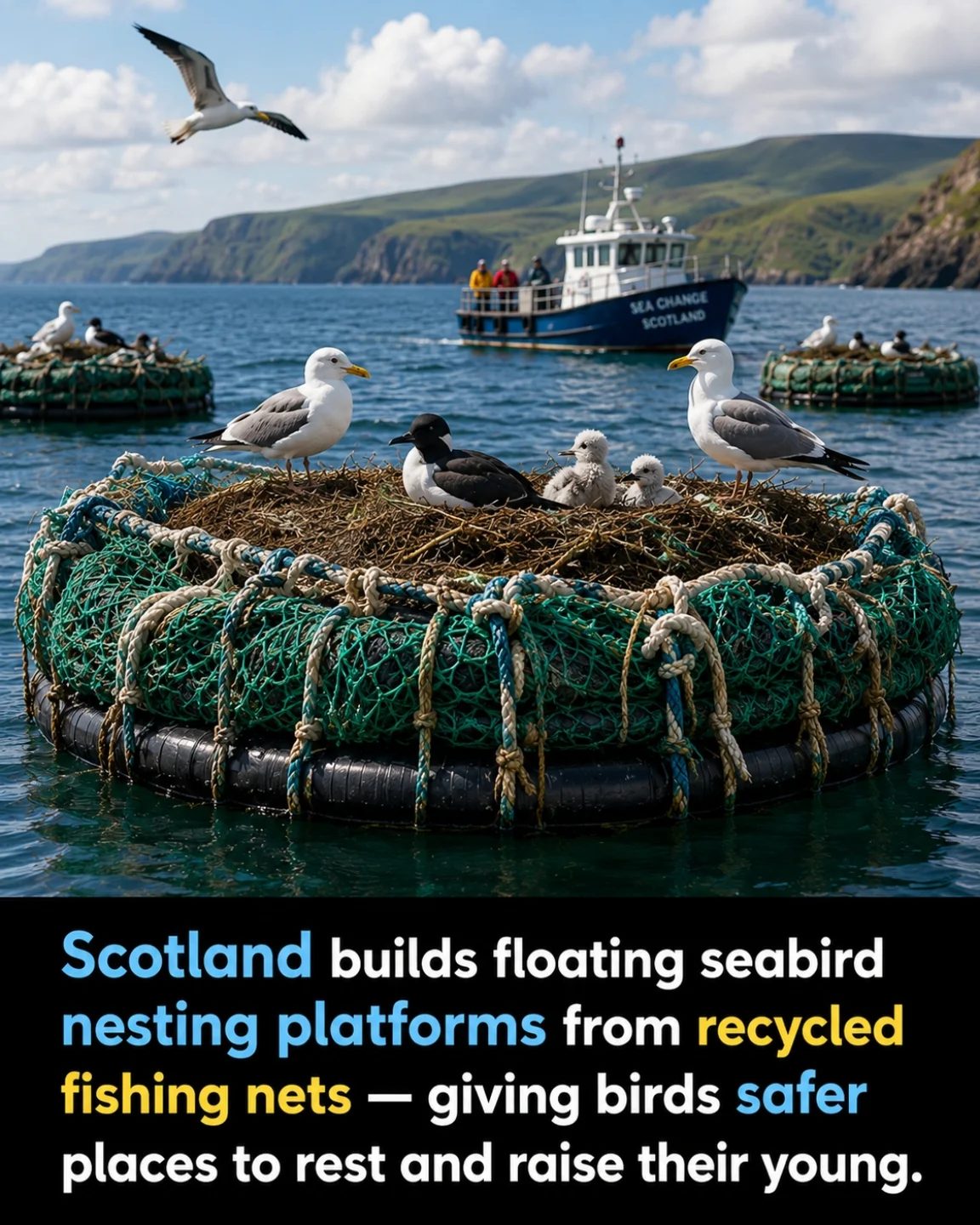
Scotland is at the forefront of innovative environmental conservation efforts with its initiative to build floating seabird nesting platforms. These platforms, constructed from recycled fishing nets, serve a dual purpose: they provide safer nesting spaces for seabirds and contribute to the reduction of marine litter. This initiative is a testament to how innovative solutions can address both ecological and environmental challenges.
Why This Matters
Seabird populations worldwide face numerous threats, including habitat loss, pollution, and climate change. Providing safe and stable nesting sites is crucial for the survival and reproduction of these birds. By using recycled fishing nets, Scotland not only addresses the issue of marine litter but also creates a sustainable solution for seabird conservation. This approach highlights the importance of repurposing waste materials to create functional and environmentally beneficial structures.
Main Discussion
The Design and Purpose of the Platforms
The floating seabird nesting platforms are meticulously designed to mimic natural nesting habitats. They are constructed from recycled fishing nets, which are durable and resistant to degradation in marine environments. These materials are also eco-friendly, reducing the amount of waste that would otherwise end up in landfills or oceans. The platforms are engineered to provide a stable surface for birds to rest and raise their young, offering protection from predators and harsh weather conditions.
Benefits for Seabirds
Seabirds, including species like seagulls and blackbirds, are known to face significant challenges in finding suitable nesting sites. Human activities such as urbanization and coastal development often destroy natural nesting habitats. The floating platforms offer a viable alternative, providing a safe and secure place for seabirds to breed. This initiative helps in maintaining the biodiversity of marine ecosystems by supporting the survival and reproduction of these birds.
Environmental Impact
The use of recycled fishing nets in constructing the nesting platforms has a positive environmental impact. Fishing nets discarded in the ocean pose a severe threat to marine life, often entangling and harming animals. By repurposing these nets, the initiative not only reduces marine pollution but also creates a new use for waste materials. This sustainable approach sets a precedent for future conservation efforts, demonstrating how waste can be transformed into valuable resources.
Community and Organizational Involvement
The initiative involves the collaboration of various stakeholders, including environmental organizations and local communities. The presence of a boat labeled 'Sea Change Scotland' in the background suggests the involvement of this organization in the project. Such collaboration is essential for the success of conservation efforts, as it brings together expertise, resources, and community support. The initiative’s success underscores the importance of collective action in environmental conservation.
Practical Tips for Building Nesting Platforms
Building effective seabird nesting platforms requires careful planning and execution. Here are some practical tips to consider:
Material Selection
Choose materials that are durable and eco-friendly. Recycled fishing nets are an excellent choice due to their durability and availability. Ensure that the materials used are non-toxic and do not pose a risk to marine life.
Design Considerations
The design of the platforms should mimic natural nesting habitats as closely as possible. This includes providing stable surfaces, adequate space for nesting, and protection from predators and weather elements. Consider the specific needs of the target seabird species when designing the platforms.
Location and Deployment
Select locations that are free from human disturbances and offer easy access for seabirds. Ensure that the platforms are securely anchored to prevent them from drifting away. Regularly monitor the platforms to assess their condition and make any necessary repairs.
Important Takeaways
The Role of Innovation in Conservation
Innovative solutions play a crucial role in addressing environmental challenges. The floating seabird nesting platforms demonstrate how creative thinking can lead to effective conservation strategies. By repurposing waste materials and designing sustainable structures, we can support the survival of marine species and protect our ecosystems.
Community Engagement
Environmental conservation efforts are more effective when they involve community participation. Engaging local communities and organizations ensures that the initiative benefits from diverse expertise and resources. Collaborative efforts also foster a sense of ownership and responsibility among stakeholders, leading to more successful and sustainable outcomes.
The Importance of Sustainable Practices
Sustainable practices are essential for long-term environmental conservation. Repurposing waste materials, such as recycled fishing nets, reduces marine pollution and promotes a circular economy. These practices not only benefit the environment but also create valuable resources for conservation efforts.
A Model for Future Conservation Efforts
The floating seabird nesting platforms serve as a model for future conservation initiatives. By addressing multiple environmental challenges simultaneously, this initiative sets a precedent for innovative and sustainable solutions. It highlights the importance of integrating conservation with waste management and community engagement.
Conclusion
Scotland's initiative to build floating seabird nesting platforms from recycled fishing nets is a groundbreaking effort in environmental conservation. By providing safer nesting spaces for seabirds and reducing marine litter, this project serves as a model for sustainable and innovative conservation practices. The success of this initiative underscores the importance of collaborative efforts, community engagement, and the repurposing of waste materials. As we continue to face environmental challenges, initiatives like these offer hope and inspiration for a more sustainable future.
Watch the Reel
Questions readers ask
Why are floating platforms important for seabird conservation in Scotland?
Floating platforms provide a stable and safe nesting environment for seabirds, helping to mitigate the impacts of habitat loss and disturbance. These platforms are particularly important in Scotland, where many coastal habitats have been degraded or lost due to human activities.
How do recycled fishing nets benefit marine life and seabirds?
Recycled fishing nets are repurposed to build floating platforms, which serve as nesting sites for seabirds. This not only reduces marine litter but also provides a sustainable solution to habitat loss, offering seabirds a safe and stable place to breed.
What are the primary threats to seabird populations in Scotland?
Seabirds in Scotland face several threats, including habitat loss due to coastal development, pollution from marine litter and chemicals, and the impacts of climate change. These challenges make initiatives like the floating nesting platforms crucial for seabird survival.
How do the floating platforms in Scotland contribute to marine litter reduction?
The platforms are constructed from recycled fishing nets, which are a significant source of marine litter. By repurposing these nets, Scotland reduces the amount of debris in the ocean and creates a useful structure for seabirds, promoting a cleaner marine environment.
What makes Scotland's seabird sanctuaries unique?
Scotland's floating bird sanctuaries are unique due to their innovative design and sustainable construction. Using recycled fishing nets not only reduces marine debris but also provides a practical solution to habitat loss, making these platforms a model for global nature conservation.
Can these platforms be replicated in other regions?
Yes, the concept of using recycled fishing nets to create floating nesting platforms can be adapted to other regions. The key is to assess local seabird populations, marine litter issues, and environmental conditions to ensure the platforms are effective and sustainable.
What types of seabirds benefit from these floating nesting platforms?
A variety of seabirds benefit from the floating platforms, including species like puffins, guillemots, and razorbills. These birds often struggle to find suitable nesting sites due to habitat degradation and human disturbance, making the platforms a vital resource for their populations.
Related deep dives
Similar reads based on topic and creator.


Recent articles
Fresh deep dives from the latest Reels we unpacked.




Comments
Be the first to comment.