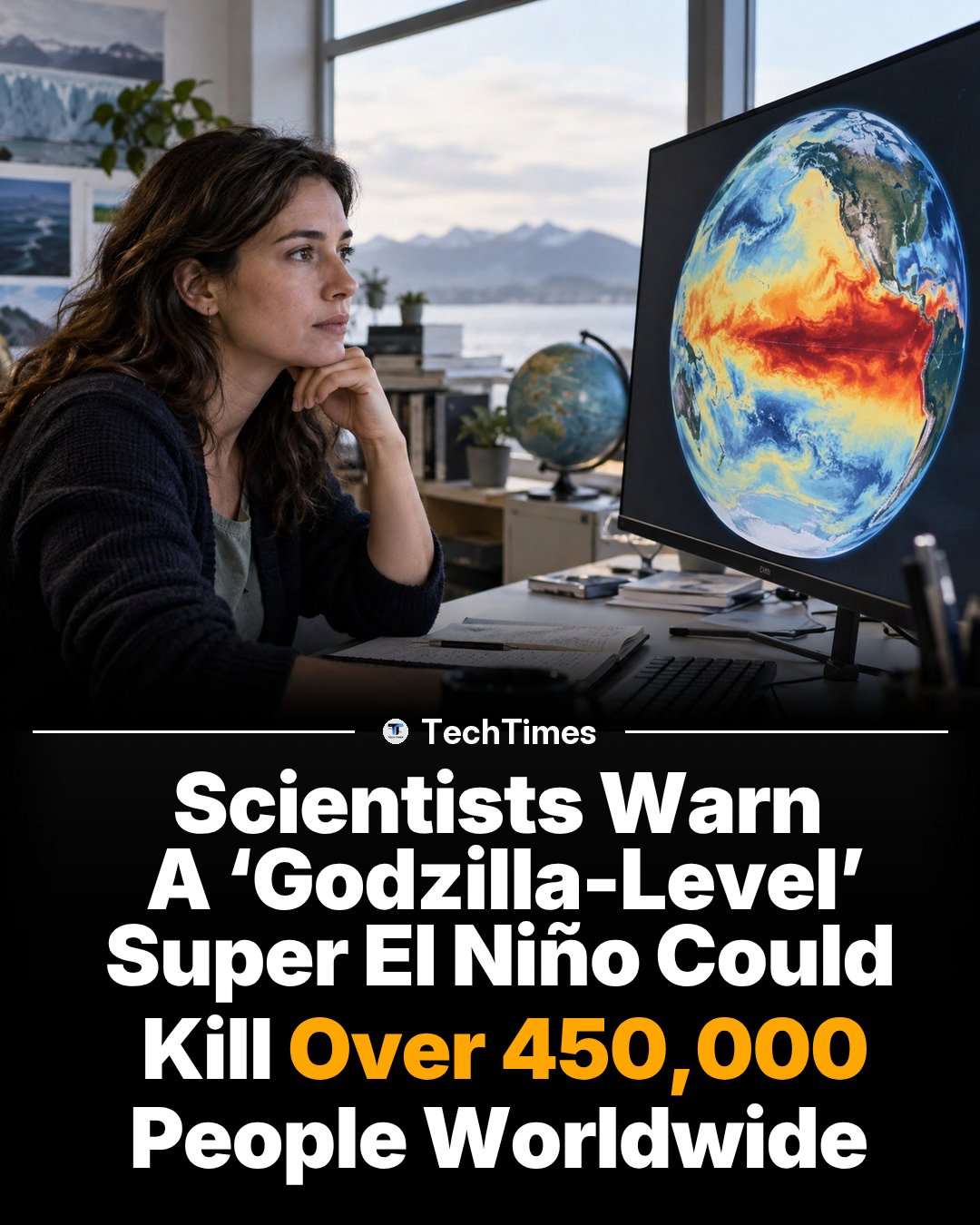
Scientists have issued a stark warning: a "Godzilla-Level" Super El Niño could soon strike, with catastrophic consequences for the world. A Super El Niño is a massive, asymmetrical temperature fluctuation in the Pacific Ocean that can cause extreme weather, drought, and flooding across the globe. What the sources name "Godzilla-Level" refers to the unprecedented size and magnitude of the weather pattern, which is expected to cause 450,000 deaths worldwide—mostly due to flooding and heat exhaustion.
The Anatomy of a Super El Niño
A Super El Niño is an extreme phase of what meteorologists call the El Niño-Southern Oscillation (ENSO) cycle. This cycle consists of three phases: El Niño, La Niña, and neutral. Each phase has distinct weather patterns. Specifically, El Niño occurs when warm water in the western Pacific shifts eastward, disrupting normal weather patterns. La Niña also involves a shift in water temperatures, but in the opposite direction. In both cases, the shifts in atmospheric pressure and precipitation patterns can lead to dramatic weather changes around the globe. The Super El Niño is a supercharged version of the El Niño phase in this cycle. Occurring every 1000 years, it creates an immense amount of heat in the worst affected areas. Scientists first identified the actual trends in climate patterns in the 1930s. And they warn that the effects of this Super El Niño could be far more severe than a typical El Niño, potentially causing millions of deaths worldwide if it impacts a densely populated region.
The Worsening Climate Context
The escalating impact of climate change has been highlighted by the risk of a Super El Niño. Every weather event is beginning to show the effects of global warming—sea levels are rising, and temperatures are increasing. The occurrence of extreme weather patterns has increased significantly in 30 years. For example, since 1991, the world has seen a substantial increase in cyclones and hurricanes. This adds to similar predictions about the effects of global warming on Hurricane Ian, possibly causing similar levels of damage in the Caribbean and North America.
Ominous Trends in Weather Prediction
Scientists typically track Super El Niño patterns using a combination of satellite imagery and historical weather data. The current Super El Niño has an unusual feature: it is a Super El Niño but is facing the Earth's poles rather than the equator. This shift is likely due to changes in atmospheric pressure. This indicates the changing nature of storms and extreme weather events. The corresponding increase in the frequency of tornadoes has coincided with these changes in ocean currents and atmospheric jet streams.
The Role of Human Activity
Human activities, particularly reliance on fossil fuels and unsustainable practices, have contributed to rising global temperatures. Human activity has caused a rise in sea levels and ocean temperatures, as well as an increase in atmospheric pressure. The current model used by scientists to predict Super El Niño events have become less reliable for new patterns this century.
What Could Happen...and Why
The "Godzilla-Level" Super El Niño could potentially kill over 450,000 people worldwide. This potential impact is due to several factors. In the past, the Super El Niño has resulted in a 1-degree Celsius rise in the average temperature of the ocean. This increase in temperature can lead to devastating consequences, including extreme weather events, heatwaves, and droughts. Moreover, the potential death toll could also be attributed to a rise in the severity of extreme weather events. Scientists warn that the event could cause an increase in the height of ocean tides.
Restraining the Storm
Prevention and mitigation strategies are crucial for minimizing the impact of a Super El Niño. One way is to prepare communities for potential extreme weather events by building infrastructure that can withstand such conditions. Another approach is to invest in research and development of technologies. This includes renewable energy sources that can help reduce greenhouse gas emissions.
We Stand at the Edge of a Catastrophe
The potential impact of a "Godzilla-Level" Super El Niño is a stark reminder of humanity’s vulnerability to climate change. The impacts of a Super El Niño on the Caribbean are predicted to be more severe, given that the region has been experiencing a series of hurricanes and extreme weather events. Recent data indicates that the current Super El Niño is not a passing storm. This underscores the urgent need for action. In the meantime, this potential climate catastrophe remains.
Watch the Reel
Questions readers ask
What exactly is a Super El Niño and how does it differ from a regular El Niño?
A Super El Niño is an extreme phase of the El Niño-Southern Oscillation (ENSO) cycle, characterized by a massive, asymmetrical temperature fluctuation in the Pacific Ocean. Unlike a typical El Niño, a Super El Niño occurs very rarely, approximately every 1,000 years, and has much more severe and widespread weather impacts, including extreme heat and flooding.
How does a Super El Niño form and what causes its extreme weather patterns?
A Super El Niño forms when warm water in the western Pacific shifts eastward, disrupting normal weather patterns. This shift creates an immense amount of heat in the affected areas, leading to extreme weather events like flooding and heat exhaustion. The unprecedented size and magnitude of a Super El Niño make its impacts far more severe than a typical El Niño.
What are the potential consequences of a 'Godzilla-Level' Super El Niño?
A 'Godzilla-Level' Super El Niño is predicted to cause catastrophic weather events worldwide, potentially leading to 450,000 deaths. The primary causes of death are expected to be flooding and heat exhaustion, with the most severe impacts felt in densely populated regions.
How is climate change connected to the occurrence of a Super El Niño?
The escalating impact of climate change is believed to be worsening the effects of a Super El Niño. Rising global temperatures, sea levels, and changes in atmospheric pressure are all contributing to more frequent and severe weather events, including the potential for a Super El Niño to occur.
How do scientists track and predict Super El Niño patterns?
Scientists use a combination of satellite imagery and historical weather data to track Super El Niño patterns. However, the current model used to predict these events has become less reliable due to changes in atmospheric pressure and ocean currents, making accurate predictions more challenging.
What role does human activity play in the likelihood of a Super El Niño occurring?
Human activities, such as the reliance on fossil fuels and unsustainable practices, have contributed to rising global temperatures and changes in atmospheric pressure. These factors are making the Earth's climate more prone to extreme weather events, including the potential for a Super El Niño to occur.
What makes the current Super El Niño different from previous ones?
The current Super El Niño is unusual because it is facing the Earth's poles rather than the equator, which is likely due to changes in atmospheric pressure. This shift indicates a changing nature of storms and extreme weather events, with an increase in the frequency of tornadoes and other severe weather patterns.
Recent articles
Fresh deep dives from the latest Reels we unpacked.



Comments
Be the first to comment.