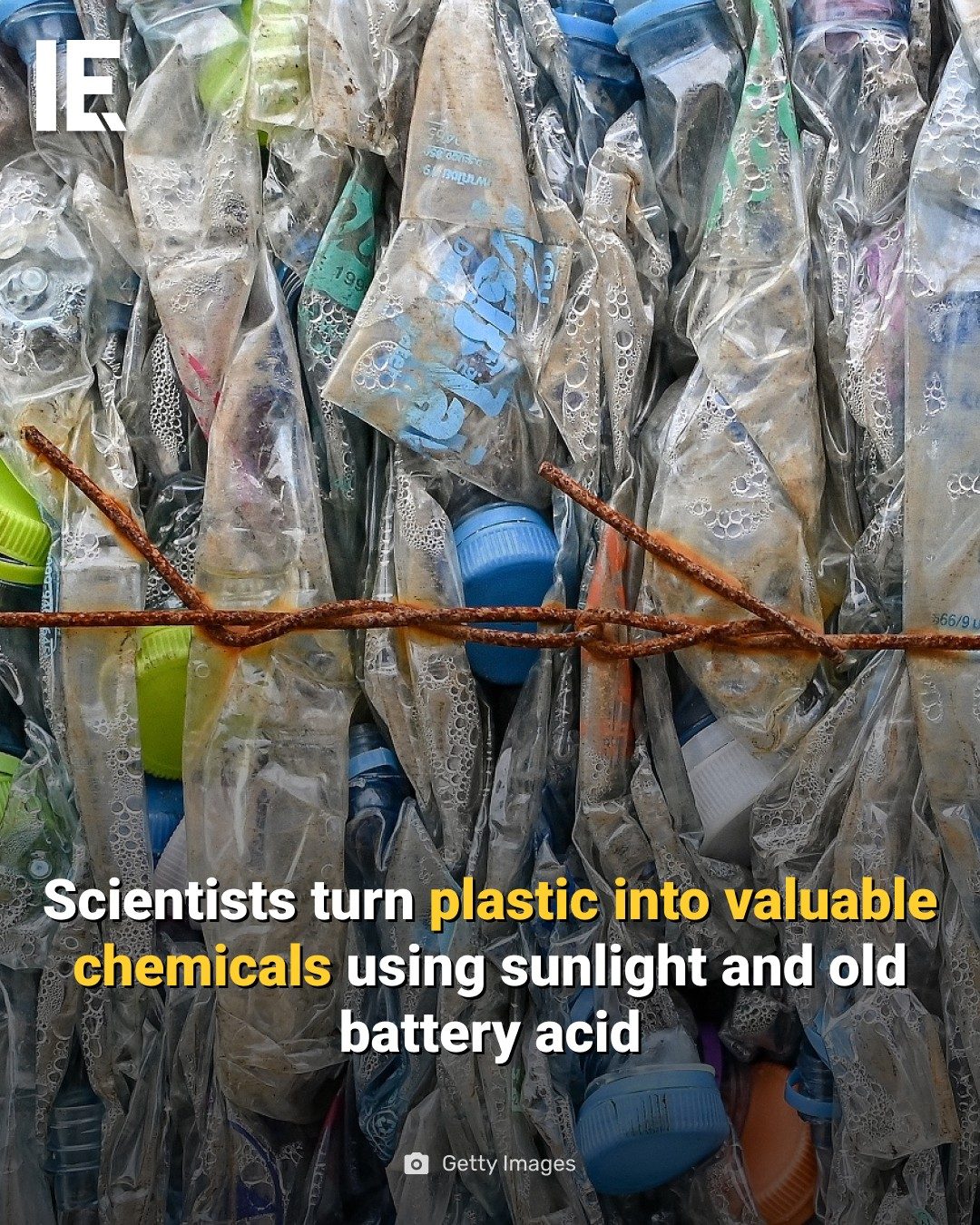
Plastic Recycling Innovation: Turning Waste into Valuable Chemicals
Plastic waste is a significant environmental challenge, but recent innovations in recycling technology offer a promising solution. Scientists have developed a groundbreaking process that transforms plastic waste and old battery acid into valuable industrial chemicals using nothing more than sunlight and a low-cost catalyst.
Context / Why This Matters
Plastic waste is ubiquitous in modern society, and its disposal poses a severe threat to the environment. Traditional recycling methods often fall short in fully addressing the problem, leaving vast amounts of plastic to accumulate in landfills and oceans. This new approach harnesses the power of sunlight and old battery acid to break down plastic into valuable chemicals, offering a sustainable and cost-effective solution to plastic waste management.
Main Discussion
The Process: Solar Catalysis
The innovative process involves using sunlight and old battery acid as key components. Here’s a closer look at how it works:
- Sunlight as an Energy Source: Solar energy is a renewable and abundant resource. By leveraging sunlight, the process avoids the need for fossil fuels, making it an eco-friendly option.
- Old Battery Acid: Old battery acid, typically discarded as hazardous waste, is repurposed in this process. This not only reduces hazardous waste but also contributes to the chemical breakdown of plastic.
- Low-Cost Catalyst: The catalyst used in this process is both low-cost and efficient, making the overall method economically viable.
The Role of Green Chemistry
Green chemistry principles are integral to this innovation. Green chemistry aims to reduce or eliminate the use and generation of hazardous substances in the design, manufacture, and application of chemical products. By repurposing old battery acid and utilizing sunlight, this process aligns with green chemistry goals, making it both environmentally friendly and economically sustainable.
The Transformation of Plastic
The process involves transforming plastic waste into valuable industrial chemicals. This transformation not only reduces plastic waste but also creates a new revenue stream from the chemicals produced. The chemicals can be used in various industrial applications, making the process highly beneficial.
Practical Tips
While the specific details of the process are complex, there are practical steps you can take to support and contribute to plastic recycling initiatives:
- Support Research: Encourage and support research initiatives focused on sustainable recycling methods. Donations, volunteering, or simply spreading awareness can make a significant difference.
- Repurpose Hazardous Waste: Look for ways to repurpose hazardous waste like old battery acid. Many communities have recycling programs for hazardous materials; participating in these can help reduce environmental impact.
- Opt for Renewable Energy: Use renewable energy sources like solar power in your daily life. This not only supports green initiatives but also encourages the development of more sustainable technologies.
Important Takeaways
- Sustainable Solution: This process offers a sustainable way to manage plastic waste, turning it into valuable resources.
- Economic Viability: The use of a low-cost catalyst and repurposed materials makes the process economically viable.
- Green Chemistry: The method aligns with green chemistry principles, reducing hazardous waste and promoting renewable energy use.
Conclusion
The transformation of plastic waste into valuable industrial chemicals using sunlight and old battery acid is a groundbreaking innovation. This process not only addresses the environmental challenges posed by plastic waste but also offers economic benefits. By supporting and participating in such initiatives, we can take a significant step towards a more sustainable future.
Watch the Reel
Questions readers ask
How does the new recycling process use sunlight and old batteries?
The process employs sunlight as a renewable energy source to power a chemical reaction. Old battery acid acts as a catalyst, breaking down plastic waste into valuable chemicals, while reducing the hazardous waste typically associated with battery disposal.
What are the benefits of transforming plastic waste into industrial chemicals?
Converting plastic waste into industrial chemicals creates a valuable product from something that would otherwise be discarded. This process reduces the volume of plastic in landfills and oceans, mitigates environmental pollution, and creates a sustainable resource for various industries.
Why is this recycling method considered low-cost?
The method is low-cost because it relies on abundant sunlight and a catalyst derived from old battery acid, which is otherwise a disposal problem. This reduces the need for expensive machinery and energy sources, making it a more affordable recycling solution.
How does this innovation address the issue of hazardous waste?
By utilizing old battery acid as a catalyst, the process helps to dispose of a hazardous material that would otherwise create environmental problems. It also reduces the amount of plastic waste, another significant source of environmental pollution, creating a more sustainable waste management solution.
What role does the catalyst play in this recycling process?
The catalyst, derived from old battery acid, facilitates the chemical reaction that breaks down plastic waste into valuable chemicals. This means the process can occur efficiently, even at low temperatures, making it more practical and cost-effective for large-scale use.
Can this process be used to recycle all types of plastics?
The current research focuses on specific types of plastics, so it may not be universally applicable to all plastic waste. However, the flexibility of the process suggests that it could potentially be adapted for use with other plastics, expanding its applicability and environmental impact.
How does this new recycling method contribute to renewable energy use?
By harnessing sunlight as the primary energy source, the process directly utilizes renewable energy. This reduces dependence on fossil fuels and other non-renewable energy sources, aligning with broader sustainability goals and helping to mitigate climate change.
Related deep dives
Similar reads based on topic and creator.


Recent articles
Fresh deep dives from the latest Reels we unpacked.




Comments
Be the first to comment.