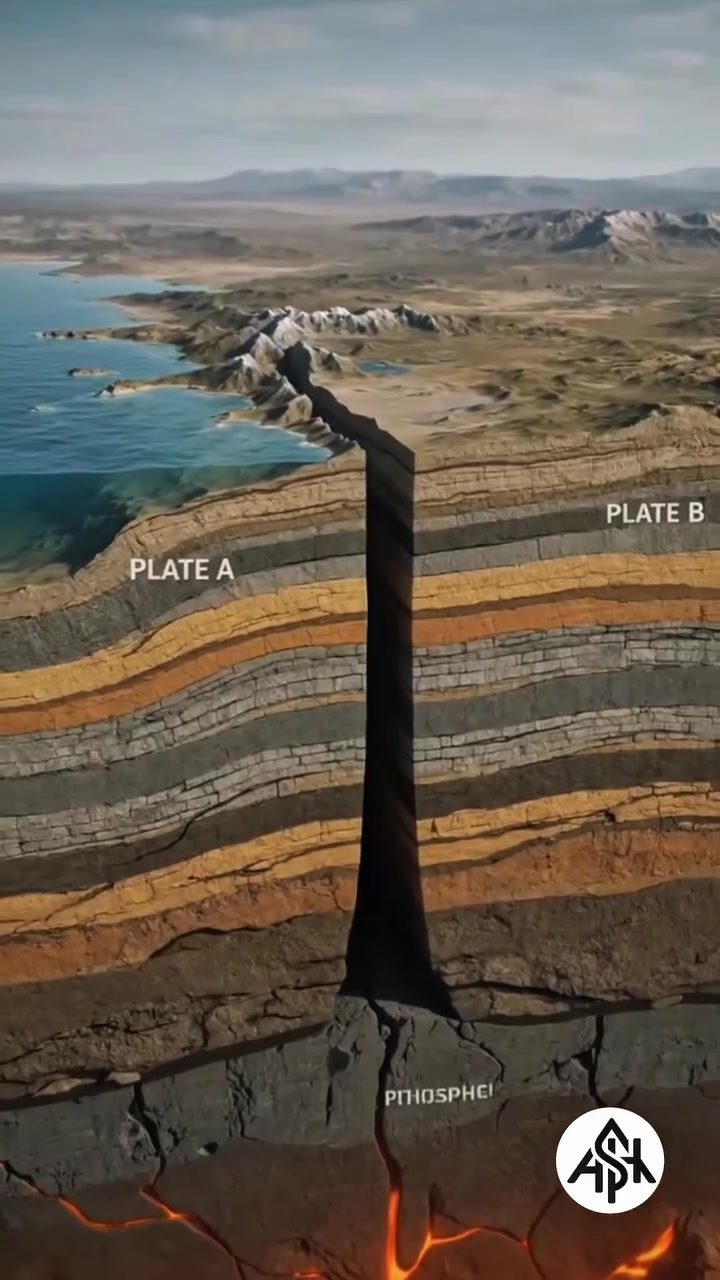
The Formation of Mountains through Plate Tectonics
The formation of mountains is a geological phenomenon that has captivated human curiosity for centuries. These towering structures are not merely silent rocks; they are the result of a slow, violent clash between continental plates that spans millions of years. This process, known as plate tectonics, is a fundamental aspect of Earth's geological history.
Context / Why This Matters
Understanding how mountains are formed provides valuable insights into the dynamic nature of our planet. The process of mountain building, or orogenesis, is intricately linked to the movement of tectonic plates. These plates, which make up the Earth's lithosphere, are in constant motion, driven by the convection currents in the mantle below. When these plates collide, immense tectonic pressure forces deep underground rock layers to buckle and rise, creating massive mountain ranges.
Main Discussion
The Layers of the Earth
To grasp the mechanics of mountain formation, it's essential to understand the layers of the Earth. The Earth is composed of several layers, including the crust, mantle, and core. The crust, the outermost layer, is relatively thin and is divided into tectonic plates. These plates float on the mantle, a semi-molten layer of rock that is in constant, slow motion.
Plate Tectonics and Continental Collision
Plate tectonics is the theory that describes the global-scale movement of Earth's lithosphere. This movement is driven by the convection currents in the mantle, which cause the plates to move in different directions. When two continental plates collide, neither plate is subducted; instead, they push against each other, causing the crust to thicken and rise. This process is responsible for the formation of many of the world's most iconic mountain ranges, including the Himalayas.
The Role of Magma and Fault Lines
Magma plays a crucial role in the formation of mountains. When tectonic plates collide, the immense pressure can cause the underlying rock to melt, forming magma. This molten rock can then rise to the surface, creating volcanic activity and further contributing to the formation of mountains. Fault lines, which are fractures in the Earth's crust, also play a significant role. These lines of weakness can create the necessary space for the crust to rise and form mountains.
The Formation of Geological Structures
The collision of tectonic plates not only creates mountains but also results in the formation of other geological structures. Fold mountains, for example, are formed when the crust is compressed and folded into waves. These structures are common in areas where continental plates have collided. Additionally, the collision can create fault lines and other fractures in the crust, which can lead to the formation of valleys and other geological features.
Practical Tips
If you're interested in learning more about plate tectonics and mountain formation, there are several practical steps you can take:
-
Dive into Educational Materials: Look for books, documentaries, and online courses that delve into the science of geology and plate tectonics. Platforms like ASK offer comprehensive resources that can help you understand these complex processes.
-
Visit Geological Sites: Explore places like the Grand Canyon, the Rocky Mountains, or the Himalayas, where you can see the effects of plate tectonics firsthand. These sites offer a tangible way to understand the geological processes that shaped our planet.
-
Join Geology Clubs or Groups: Engage with local geology clubs or online communities where you can discuss your findings, share resources, and connect with fellow enthusiasts.
Important Takeaways
Mountain Formation is a Slow Process
Mountain formation is a slow and gradual process that spans millions of years. It involves the collision of tectonic plates, the movement of magma, and the formation of geological structures. Understanding this process requires a deep dive into the layers of the Earth and the dynamics of plate tectonics.
Plate Tectonics Shape Our Planet
The movement of tectonic plates is a fundamental aspect of Earth's geological history. This process not only creates mountains but also shapes the planet in numerous ways, from the formation of valleys to the creation of volcanic activity.
Geological Structures Tell a Story
The geological structures we see today, from mountains to fault lines, tell a story of the Earth's dynamic history. By studying these structures, we can gain insights into the processes that have shaped our planet over millions of years.
Conclusion
The formation of mountains through plate tectonics is a fascinating and complex process. It involves the collision of tectonic plates, the movement of magma, and the formation of geological structures. Understanding this process provides valuable insights into the dynamic nature of our planet and the forces that have shaped it over millions of years. Whether you're a geology enthusiast or simply curious about the world around you, delving into the science of plate tectonics and mountain formation can be a rewarding journey.
Watch the Reel
Questions readers ask
What are the primary forces driving the formation of mountains?
The primary forces driving mountain formation are the movement of the Earth's tectonic plates, which are propelled by convection currents in the mantle. When these plates collide, particularly continental plates, the resulting compression and uplift lead to the creation of mountain ranges.
How do geological processes contribute to orogenesis?
Geological processes, such as the collision of tectonic plates and the resulting compression, folding, and faulting of the Earth's crust, play a crucial role in orogenesis. These processes cause the crust to thicken and rise, gradually forming mountain ranges over millions of years.
What is the role of the Earth's mantle in mountain formation?
The Earth's mantle drives the movement of tectonic plates through convection currents. This movement is essential for the formation of mountains, as it facilitates the collision and interaction of plates, leading to the uplift and deformation of the Earth's crust.
Can mountains form without plate tectonic activity?
While the vast majority of mountain ranges on Earth are formed through plate tectonic activity, there are other, less common processes that can lead to mountain formation. For instance, volcanoes can create mountains through the accumulation of lava and other materials. However, these processes are generally less significant in the context of major mountain ranges.
What are some of the greatest examples of mountains formed by plate tectonics?
Some of the most notable examples of mountains formed by plate tectonics include the Himalayas, which were created by the collision of the Indian and Eurasian plates, and the Andes, which resulted from the subduction of the Nazca Plate under the South American Plate. These ranges illustrate the power and scale of orogenesis.
How does the movement of tectonic plates affect the geological history of mountains?
The movement of tectonic plates significantly influences the geological history of mountains. Over time, plate movements can cause mountains to rise, erode, and even disappear, creating a dynamic and ever-changing landscape. This process has shaped the Earth's surface for millions of years, continually reshaping the planet's geography.
What are the different layers of the Earth involved in mountain formation?
The primary layers of the Earth involved in mountain formation are the lithosphere, which includes the crust and upper mantle, and the asthenosphere, a ductile region of the mantle that facilitates the movement of tectonic plates. The interaction between these layers, driven by convection currents, leads to the formation of mountains through processes such as orogenesis.
Recent articles
Fresh deep dives from the latest Reels we unpacked.




Comments
Be the first to comment.