Plant Reproduction: The Ingenious Techniques to Save the Corpse Flower
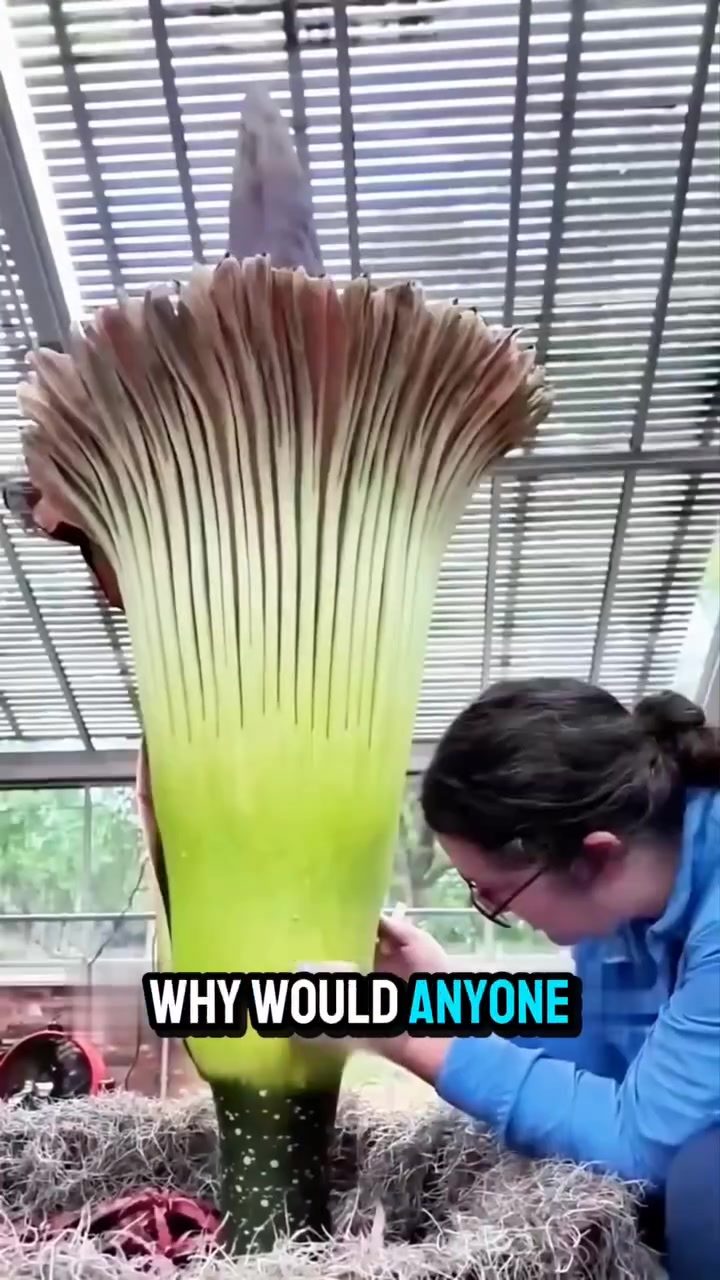
The corpse flower, a morphophallus titanum, is one of the world's rarest and most fascinating plants. The process of collecting its pollen, however, presents a unique challenge. Researchers must carefully cut a small window into the flower to access the pollen, which is hidden deep inside. This process, although seemingly counterintuitive, is crucial for the plant's survival.
Why This Matters
The corpse flower is an endangered species, and its rarity makes natural pollination and propagation difficult. This flower only blooms occasionally, and when it does, the event is both spectacular and rare. The process of collecting and using pollen to hand-pollinate another corpse flower is a critical step in preserving this extraordinary plant.
The Role of Pollen
Pollen plays a vital role in the reproduction of many plants, including the corpse flower. The pollen grains are not only essential for creating new plants but also represent the species' best chance of survival. Scientists carefully scrape the inner surface of the flower to collect pollen, ensuring that the plant remains undamaged during the process. This method is much more effective than tearing the entire bloom apart, which could severely harm the plant.
The Process of Hand-Pollination
Hand-pollination involves the manual transfer of pollen from the male part of a flower to the female part. For the corpse flower, this process is meticulous. Researchers make a small opening in the flower and gently scrape the inner surface, allowing the precious pollen to fall naturally. This pollen is then used to pollinate another corpse flower, aiding in the reproduction and preservation of the species.
The Importance of Pollination Techniques
Using ingenious techniques for pollination is essential for the survival of endangered plants like the corpse flower. The intricate process shows dedication and expertise in preserving rare species.
Why Cutting a Hole is Necessary
The pollen of the corpse flower is hidden deep inside the flower, making it inaccessible for traditional pollination methods. Cutting a small window into the flower allows scientists to gently scrape the inner surface and collect the pollen without damaging the plant. This method ensures that the flower remains intact and can continue its lifecycle.
The Technique of Scraping
Scientists carefully scrape the inner surface of the flower to collect pollen. This process is delicate and requires precision to ensure that the pollen is collected efficiently. The collected pollen is then used to hand-pollinate another corpse flower, helping to preserve the endangered species.
The Role of Research and Innovation
The techniques used to preserve the corpse flower are the result of extensive research and innovative thinking. The process of cutting a hole into the flower, collecting the pollen, and using it to hand-pollinate another flower is a testament to the ingenuity of scientists. It highlights the importance of ongoing research and innovation in preserving rare and endangered species.
Practical Tips
While the techniques used to preserve the corpse flower are specific to this plant, they can provide valuable insights into the importance of pollination and plant reproduction. Here are some practical tips for anyone interested in plant reproduction:
Understanding Pollination
Knowing the basics of pollination is essential for anyone interested in plant reproduction. Pollination is the process by which pollen is transferred from the male part of a flower to the female part, enabling fertilization and the production of seeds.
Collecting Pollen
Collecting pollen is a crucial step in the pollination process. It involves carefully removing pollen from the male part of a flower and transferring it to the female part. For plants like the corpse flower, this process is more intricate and requires specialized techniques.
Hand-Pollination Techniques
Hand-pollination is a manual method of transferring pollen from one flower to another. This technique is particularly useful for plants that are endangered or have difficulty with natural pollination. It involves using a small brush or a similar tool to gently transfer pollen from the male part of a flower to the female part.
Preserving Endangered Plants
Preserving endangered plants is a critical task that requires specialized techniques and expertise. It involves understanding the plant's lifecycle, the importance of pollination, and innovative methods to ensure the plant's survival.
Important Takeaways
Sustaining the survival of rare and endangered plants, like the corpse flower, requires ingenious techniques and dedication. Collecting pollen from the flower and using it to hand-pollinate another plant is a critical step in this process. This method not only ensures the plant's survival but also helps preserve the species for future generations. Hand-pollination techniques are particularly useful for plants that are endangered or have difficulty with natural pollination. They involve manually transferring pollen from one flower to another, which can be done using a small brush or similar tool. Understanding the importance of pollination, collecting pollen, and using hand-pollination techniques is essential for anyone interested in plant reproduction and preserving endangered plants.
Conclusion
Saving the corpse flower and other endangered plants involves a combination of careful observation, meticulous techniques, and innovative thinking. Collecting pollen from the flower, using it to hand-pollinate another plant, and preserving the species are critical steps in this process. While the techniques used for the corpse flower are specific to this plant, they provide valuable insights into the importance of pollination and plant reproduction. By understanding these techniques, we can better appreciate the intricate process of plant reproduction and the innovative methods used to preserve endangered species.
Watch the Reel
Questions readers ask
How often does a corpse flower bloom and why is this significant?
Corpse flowers, or Amorphophallus titanum, bloom infrequently, sometimes only once every few years. This rarity makes natural pollination difficult, and the blooming event is significant because it is the only time when the flower can be hand-pollinated to produce seeds, which is essential for conservation efforts and the plant's survival in cultivation.
What makes the pollen collection process for the corpse flower so challenging?
The corpse flower's pollen is hidden deep inside its inflorescence, making it difficult to access. Researchers must cut a small window to reach the pollen. The challenge lies in the delicacy of the procedure, as the flower's structure is fragile, and the pollen itself is precious for conservation purposes.
What is hand-pollination and why is it vital for the corpse flower?
Hand-pollination is the process of manually transferring pollen from one flower to another, bypassing the need for natural pollinators. It is crucial for the corpse flower because the plant is endangered and its blooming events are unpredictable, this method increases the chances of successful reproduction and helps in maintaining the species.
What happens to the pollen once it is collected from the corpse flower?
Once collected, the pollen is carefully preserved, often in a controlled environment, such as a laboratory or specialized facilities. This pollen can then be used for future hand-pollination efforts, ensuring that the rare and endangered species can continue to reproduce, even when natural conditions are unfavorable.
Why is the corpse flower considered one of the world's rarest plants?
The corpse flower is considered one of the world's rarest plants due to its infrequent blooming, limited natural habitat, and the challenges associated with its pollination. These factors combined make it a highly vulnerable species, necessitating the use of specialized conservation techniques, such as hand-pollination, to ensure its survival.
What is the significance of the small cut made in the corpse flower during pollen collection?
The small cut made in the corpse flower during pollen collection is significant because it provides access to the pollen, which is otherwise hidden deep inside the flower. This meticulous process is crucial for hand-pollination, as it enables researchers to collect the precious pollen needed for the plant's reproduction and conservation.
Related deep dives
Similar reads based on topic and creator.



Recent articles
Fresh deep dives from the latest Reels we unpacked.




Comments
Be the first to comment.