AI Data Centers and the Call for a Nationwide Pause
Data centers are the backbone of the digital age, powering everything from cloud storage to artificial intelligence. However, the rapid expansion of AI data centers across the United States has sparked significant concerns about their impact on resources and communities. A proposed bill, the Artificial Intelligence Data Center Moratorium Act, seeks to address these issues by calling for a nationwide pause on new construction and upgrades of high-power data centers.
Context
AI data centers are critical for processing and storing the vast amounts of data required for AI operations. These centers are energy-intensive, often consuming large amounts of power and water, and contributing to rising electricity bills. The construction and operation of these facilities have led to concerns about their environmental impact, resource depletion, and the potential strain they place on local communities.
The Artificial Intelligence Data Center Moratorium Act
Introduced in March 2026 by Senators Bernie Sanders and Alexandria Ocasio-Cortez, the Artificial Intelligence Data Center Moratorium Act aims to halt the construction or upgrades of any data center with a power demand exceeding 20 megawatts. The proposed pause would remain in effect until Congress passes federal safeguards to protect workers, consumers, and communities from the adverse effects of data center operations. The bill has since gained support from various lawmakers, including Representatives Terri Sewell and André Carson.
AI Industry Leaders and Advocacy Groups
Industry Support for a Slowdown
The bill cites warnings from prominent AI industry leaders, such as Dario Amodei of Anthropic and Demis Hassabis of DeepMind. These leaders have expressed support for a coordinated slowdown in AI development if other labs and countries were to join in. Their stance underscores the growing recognition within the industry of the need for more sustainable and controlled growth.
Public Advocacy and State-Level Efforts
The call for a moratorium on AI data centers is not limited to federal legislation. Food & Water Watch became the first national group to advocate for a total moratorium, a stance echoed by hundreds of other advocacy organizations. Additionally, state-level efforts, including a proposed three-year pause in New York, reflect a broader push for more stringent regulations and safeguards.
Environmental and Social Impacts
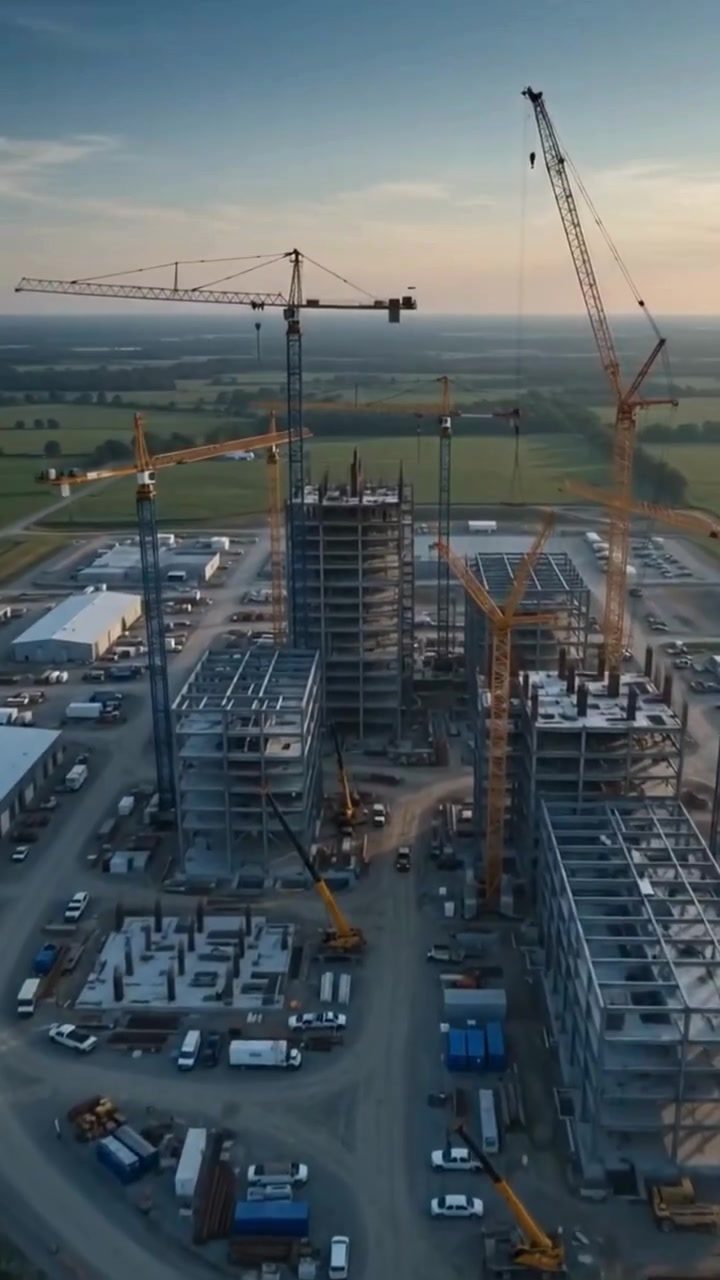
AI data centers are built on a massive scale, often featuring multiple cranes and sprawling construction sites. These facilities are not only visually imposing but also have significant environmental and social impacts. The construction and operation of these centers demand substantial amounts of power and water, which can strain local resources and infrastructure. The high energy consumption of these centers also contributes to increased electricity bills for nearby communities.
Resource Consumption
The energy demands of AI data centers are staggering. These facilities require continuous, high-powered electricity to operate, which drives up local energy consumption. This increased demand strains existing power grids and can lead to higher electricity rates for residents and businesses in the surrounding areas. Additionally, the significant water needs of these centers can exacerbate local water shortages, especially in drought-prone regions.
Community and Worker Concerns
Beyond resource consumption, the rapid expansion of AI data centers raises concerns about the well-being of workers and local communities. Construction and operation of these centers can lead to temporary job gains, but they also create long-term risks, including environmental degradation and displacement of community members. The proposed moratorium seeks to address these issues by ensuring that new data centers are built and operated with robust safeguards in place, protecting both workers and consumers.
Practical Tips for Sustainable AI Infrastructure
Policy Recommendations
To ensure the sustainable growth of AI infrastructure, policymakers should consider the following recommendations:
- Regulatory Safeguards: Implement comprehensive regulatory measures to ensure that data centers are built and operated with minimal environmental and social impact.
- Resource Management: Develop strategies for efficient resource management, including energy and water conservation techniques, to mitigate the strain on local resources.
- Community Engagement: Engage with local communities to address their concerns and ensure that the benefits of AI infrastructure are shared equitably.
Industry Best Practices
AI industry leaders can also play a crucial role in promoting sustainable practices:
- Energy Efficiency: Invest in energy-efficient technologies and renewable energy sources to reduce the carbon footprint of data centers.
- Responsible Construction: Adopt sustainable construction practices to minimize the environmental impact of data center development.
- Worker Safety: Prioritize the safety and well-being of workers involved in the construction and operation of data centers.
Important Takeaways
Urgent Need for Regulation
The rapid expansion of AI data centers highlights the urgent need for federal regulations to ensure sustainable and equitable growth. The proposed moratorium is a critical step toward implementing safeguards that protect workers, consumers, and communities.
Industry and Public Collaboration
The support from AI industry leaders and advocacy groups underscores the importance of collaboration between the industry, policymakers, and the public. By working together, it is possible to develop a more sustainable and responsible approach to AI infrastructure.
Local and National Implications
The impacts of AI data centers are felt both locally and nationally. Addressing these concerns requires a comprehensive approach that includes federal legislation, state-level initiatives, and community engagement.
Conclusion
AI data centers are essential for the advancement of artificial intelligence, but their rapid expansion raises significant concerns about resource depletion, environmental impact, and social well-being. The Artificial Intelligence Data Center Moratorium Act, supported by prominent industry leaders and advocacy groups, offers a pathway to addressing these issues. By implementing federal safeguards and promoting sustainable practices, it is possible to ensure that the benefits of AI infrastructure are realized without compromising the well-being of workers, consumers, and communities.
Watch the Reel
Questions readers ask
What specific actions does the Artificial Intelligence Data Center Moratorium Act aim to take?
The bill introduced by Senators Bernie Sanders and Alexandria Ocasio-Cortez seeks to suspend new construction and upgrades of high-power data centers across the nation. This pause is intended to provide time to implement federal safeguards to address the environmental, resource, and community impacts of these facilities.
Why are AI data centers a concern for communities?
AI data centers can significantly impact nearby communities through their high consumption of resources, such as power and water. Additionally, there are concerns about safety and displacement of local residents. These issues have led some to advocate for a pause in construction and federal oversight.
What are some of the environmental impacts of AI data centers?
AI data centers are notorious for their high energy consumption, which contributes to greenhouse gas emissions. Moreover, they often require substantial amounts of water for cooling, which can strain local water resources and affect the environment.
How does the proposed bill address the concerns of workers, consumers, and communities?
By implementing a federal safeguard pause, the proposed legislation aims to address the adverse effects of data center operations. It seeks to mitigate issues related to worker safety, consumer impact, and community disruption, allowing for a reassessment of how these facilities operate and their potential environmental impacts.
What role do AI data centers play in the digital age?
AI data centers are essential for processing and storing the vast amounts of data required for artificial intelligence and digital services. They are the backbone of cloud storage, AI operations, and numerous digital services we rely on daily.
What is the goal of the AI Data Center Moratorium Act?
The goal is to halt new construction and upgrades of high-power data centers to reassess and implement federal regulations. This will address the environmental impact, resource consumption, and community disruption caused by these facilities.
What prompted Senators Sanders and Ocasio-Cortez to propose this legislation?
The rapid expansion of AI data centers across the United States has raised significant concerns about their impact on resources, communities, and the environment. The proposed legislation aims to address these issues by implementing federal safeguards and providing a pause to reassess the impact of AI data centers.
Related deep dives
Similar reads based on topic and creator.



Recent articles
Fresh deep dives from the latest Reels we unpacked.




Comments
Be the first to comment.