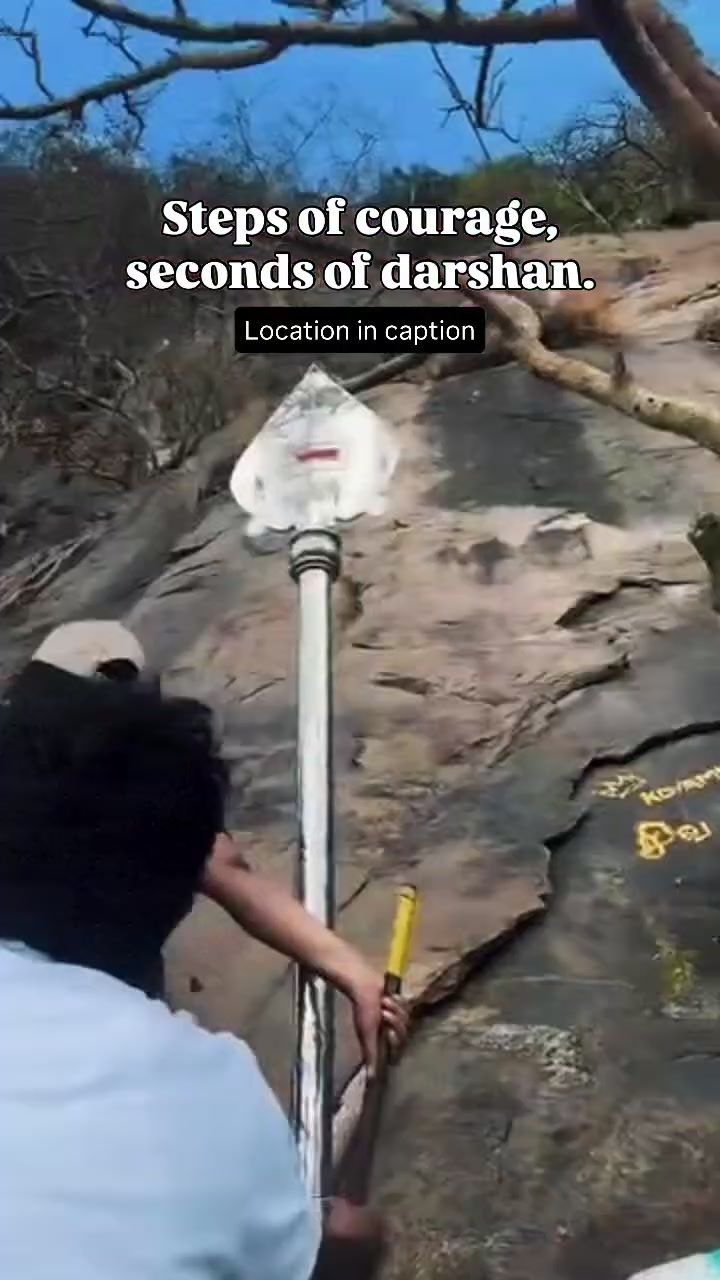
Mountain Pilgrimage: A Spiritual Journey
Embarking on a mountain pilgrimage is a profound experience that blends physical challenge with spiritual reward. This journey is not just about reaching the summit but also about the personal growth and enlightenment that comes with each step. The path is often steep and rocky, requiring courage and determination to ascend. However, the breathtaking views from the top and the sense of accomplishment make the journey worthwhile.
Why This Matters
Mountain pilgrimages are deeply rooted in various cultures and religions around the world. They offer a unique blend of physical exertion and spiritual reflection, making them a meaningful way to connect with one’s inner self and the divine. Whether you are a seasoned hiker or a spiritual seeker, understanding the significance and preparation required for such a journey can enhance your experience and deepen your connection to the path.
The Significance of Mountain Pilgrimages
Mountain pilgrimages hold significant cultural and spiritual importance. They often lead to sacred sites that are revered for their religious significance. The journey itself is seen as a metaphor for life’s challenges and the ultimate reward of spiritual enlightenment or "darshan." This term, often used in Hindu and Buddhist contexts, refers to the blessings received from a divine encounter, whether it be a deity, a guru, or a sacred place.
Physical and Spiritual Challenge
Climbing a steep, rocky mountain path requires both physical strength and mental resilience. The physical challenge of ascending a mountain tests your endurance, balance, and strength. Holding onto a rope for support can provide a sense of security while navigating the rugged terrain. The mental challenge is equally demanding, as the journey often involves overcoming fears, doubts, and physical limitations.
The Reward of Reaching the Top
The reward of reaching the top of the mountain is multifaceted. Firstly, there is the sense of accomplishment and pride that comes from overcoming a significant physical challenge. Secondly, the breathtaking views from the summit offer a moment of peace and reflection, allowing you to appreciate the beauty of nature. Lastly, the spiritual reward of "darshan" can bring a deeper sense of connection to the divine, making the journey even more meaningful.
Practical Tips for Your Mountain Pilgrimage
Preparing for a mountain pilgrimage involves careful planning and consideration. Here are some practical tips to help you make the most of your journey:
Physical Preparation
-
Build Endurance: Regularly engage in activities that build your cardiovascular endurance, such as hiking, running, or cycling. This will help you tackle the steep and rocky paths with greater ease.
-
Strength Training: Focus on exercises that strengthen your legs, core, and back. These muscle groups are crucial for climbing and maintaining balance on uneven terrain.
-
Flexibility and Balance: Incorporate yoga or stretching exercises into your routine to improve your flexibility and balance. This can help prevent injuries and make the climb more manageable.
Mental Preparation
-
Mindfulness and Meditation: Practice mindfulness and meditation to cultivate a calm and focused mind. This can help you stay centered and resilient during the challenges of the climb.
-
Visualization: Visualize successfully completing the climb. Imagine the sense of accomplishment and the breathtaking views from the top. This mental rehearsal can boost your confidence and motivation.
Essential Gear
-
Comfortable and Durable Footwear: Invest in a good pair of hiking boots that provide support and grip on rocky surfaces.
-
Proper Clothing: Dress in layers to adapt to changing temperatures. Moisture-wicking fabrics can help keep you comfortable and dry.
-
Basic First Aid Kit: Carry a first aid kit with essentials like bandages, antiseptic wipes, and pain relievers.
-
Hydration and Snacks: Stay hydrated by carrying enough water and pack energy-rich snacks to keep your energy levels up.
-
Rope and Support: If the climb involves steep and rocky paths, consider using a rope for support. Make sure you know how to use it safely.
Important Takeaways
Mountain pilgrimages are a unique blend of physical exertion and spiritual reflection. They offer a profound sense of accomplishment and a deeper connection to the divine. Whether you are seeking a physical challenge or a spiritual journey, preparing for the climb with the right mindset and gear can enhance your experience. The journey is not just about reaching the top but also about the personal growth and enlightenment that comes with each step.
Conclusion
A mountain pilgrimage is a transformative experience that combines physical challenge with spiritual reward. The journey, often steep and rocky, requires courage, determination, and a sense of adventure. The breathtaking views and the sense of accomplishment from reaching the summit make the climb worthwhile. Whether you are a seasoned hiker or a spiritual seeker, embracing the physical and spiritual challenges of a mountain pilgrimage can deepen your connection to nature and the divine, offering a meaningful journey of self-discovery and growth.
Watch the Reel
Questions readers ask
What is the significance of mountain pilgrimages in different cultures?
Mountain pilgrimages hold deep spiritual meaning across various cultures. They often represent a journey towards self-discovery, enlightenment, and a closer connection to the divine. These journeys are seen as a way to confront and overcome physical and spiritual challenges, making them a profound and transformative experience.
What is 'darshan' and how does it relate to mountain climbing?
'Darshan' refers to a spiritual experience or vision that leads to enlightenment and a sense of accomplishment. In the context of mountain climbing, darshan is achieved through the physical exertion and spiritual reflection that comes with ascending a sacred mountain. This journey offers a unique blend of challenges and rewards, making it a deeply meaningful experience.
What are some common challenges faced during a mountain pilgrimage?
Mountain pilgrimages often involve steep and rocky terrains, requiring courage, determination, and physical stamina. The unpredictable weather, high altitudes, and the mental and emotional challenges are some of the common hurdles that pilgrims face. However, overcoming these obstacles can lead to a profound sense of accomplishment and spiritual fulfillment.
How does spiritual reflection play a role in mountain climbing?
Spiritual reflection is a key component of mountain climbing, especially during pilgrimages. The solitude and serenity of the mountain environment provide an ideal setting for introspection and personal growth. Climbers often use this time to reflect on their lives, seek inner peace, and connect with a higher power, enhancing the overall experience.
How can beginners prepare for a spiritual mountain trek?
For beginners, preparing for a spiritual mountain trek involves both physical and mental preparation. It's important to build up physical stamina through regular exercise and acclimatize to higher altitudes if possible. Additionally, setting clear intentions for the journey, meditating, and doing research on the specific mountain and its cultural significance can help ensure a meaningful experience.
What are some of the most renowned sacred mountains for pilgrimage?
There are several renowned sacred mountains around the world that attract pilgrims for their spiritual significance. Mount Kailash in Tibet, Mount Ararat in Turkey, and Mount Fuji in Japan are some of the most notable examples. Each of these mountains holds unique cultural and religious importance, making them popular destinations for those seeking a spiritual journey.
Related deep dives
Similar reads based on topic and creator.




Recent articles
Fresh deep dives from the latest Reels we unpacked.




Comments
Be the first to comment.