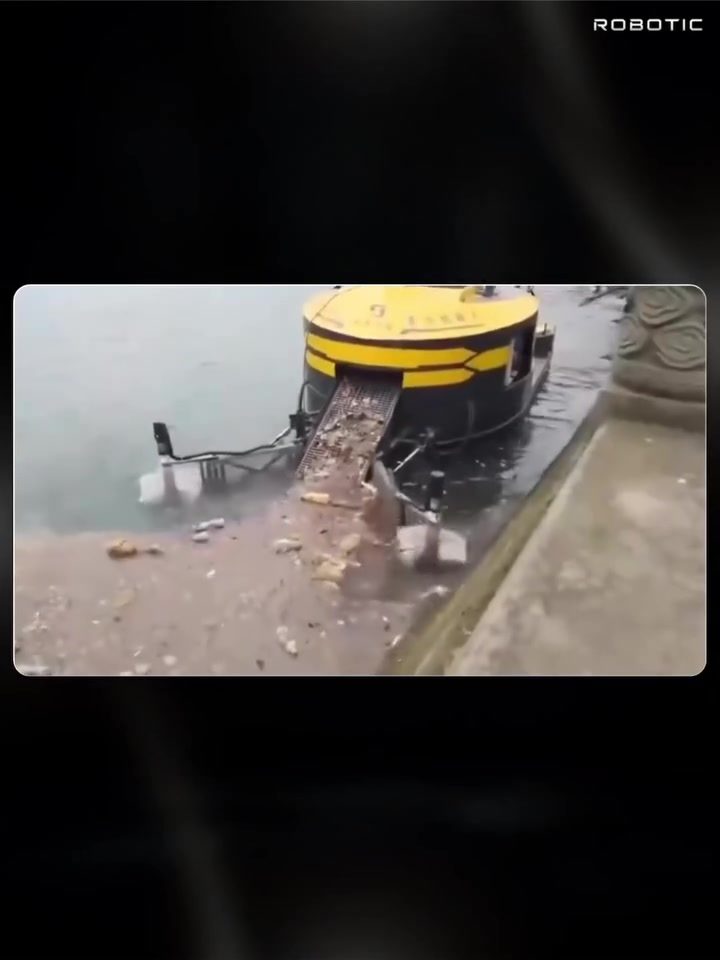
ROBOTIC Boats for River Cleanup
Robotic boats are revolutionizing waterway cleanup efforts, tackling pollution head-on with advanced technology. These autonomous machines are designed to patrol rivers and waterways, collecting trash before it becomes a larger environmental problem. This proactive approach goes beyond traditional cleanup methods and offers a sustainable solution to maintaining cleaner waterways.
Why This Matters
Water pollution is a persistent global challenge, with rivers and waterways accumulating debris from various sources. Traditional cleanup efforts often rely on manual labor, which is time-consuming, inefficient, and costly. Robotic boats offer a more efficient and continuous solution, operating 24/7 to keep waterways clean. This automation not only addresses the immediate issue of pollution but also prevents future buildup, making it a more effective long-term strategy.
Main Discussion
The Technology Behind Robotic River Cleanup
Autonomous robotic boats, like those developed by ROBOTIC, are equipped with a suite of advanced technologies to navigate and clean polluted waterways.
Navigation and Detection
Robotic boats use a combination of cameras, GPS, and onboard sensors to detect and navigate toward floating waste. These sensors enable the robots to perform their tasks efficiently, even in murky or low-visibility conditions. By continuously scanning the water, they can quickly identify and collect debris, ensuring that pollutants do not spread further downstream.
Waste Collection
The boats are designed with specialized mechanisms to scoop up and collect floating debris. This debris can range from plastic bottles to larger waste items. The collected waste is stored onboard until the robot returns to a designated collection point, where it can be emptied and the waste properly disposed of.
Autonomous Operation
One of the key advantages of robotic boats is their ability to operate autonomously. This means they can patrol waterways without constant human intervention, making them an efficient and cost-effective solution for continuous cleanup.
Continuous Operation
These machines are designed to operate around the clock, ensuring that rivers and waterways are continuously monitored and cleaned. This eliminates the need for manual labor and allows for a more systematic approach to maintaining water quality.
Targeted Cleanup
Unlike manual cleanup efforts, which are often reactive, robotic boats focus on prevention. By collecting waste at an early stage, they prevent the buildup of pollution and the subsequent environmental and health impacts. This proactive approach ensures that waterways remain cleaner and more sustainable.
Environmental Impact
The introduction of robotic boats for river cleanup has significant environmental benefits. By continuously removing debris, these robots help maintain water quality and protect aquatic ecosystems. This is especially important in urban areas where waterways are subject to high levels of pollution from industrial, commercial, and domestic sources.
Protecting Biodiversity
Cleaner waterways support healthier ecosystems, benefiting a wide range of aquatic species. Robotic boats play a crucial role in maintaining the ecological balance by reducing the amount of waste that can harm or kill marine life.
Reducing Health Risks
Polluted waterways can pose significant health risks to humans and animals. By keeping waterways clean, robotic boats help prevent the spread of waterborne diseases and reduce health risks associated with contaminated water.
Practical Tips
If you're considering implementing robotic boats for river cleanup, there are several practical steps to ensure success:
Conduct a Feasibility Study
Before deploying robotic boats, it’s essential to conduct a feasibility study to assess the specific needs and challenges of your waterways. This includes understanding the types and volumes of waste, the water conditions, and the available infrastructure for waste collection.
Invest in Advanced Technology
To maximize the effectiveness of robotic boats, invest in advanced technologies such as high-resolution cameras, GPS, and onboard sensors. These technologies enhance the boats' ability to detect and collect waste efficiently.
Collaborate with Local Authorities
Collaborating with local authorities and environmental organizations can provide valuable insights and support. These partnerships can help in identifying key areas for cleanup, securing necessary permits, and ensuring proper disposal of collected waste.
Regular Maintenance
Regular maintenance of the robotic boats is crucial to ensure they operate efficiently. This includes cleaning and repairing the waste collection mechanisms, updating software, and maintaining the on-board sensors.
Important Takeaways
Automation for Sustainability
Robotic boats offer a sustainable solution for maintaining cleaner waterways. By automating the cleanup process, we can ensure continuous monitoring and removal of waste, reducing the environmental impact and health risks associated with polluted waterways.
Prevention is Key
The proactive approach of robotic boats focuses on prevention rather than reaction. By collecting waste early, these robots help prevent the buildup of pollution and maintain the ecological balance of waterways.
Economic Efficiency
Investing in robotic boats can be more cost-effective in the long run compared to traditional manual cleanup methods. The continuous operation and reduced need for human intervention make these robots a more economical solution.
Future of Environmental Cleanup
The development of robotic boats for river cleanup is just the beginning. As technology advances, we can expect to see more innovative solutions that address other environmental challenges, making our world a cleaner and healthier place.
Conclusion
Robotic boats are transforming the way we approach waterway cleanup, offering a proactive, efficient, and sustainable solution to maintaining cleaner rivers and waterways. By leveraging advanced technologies and continuous operation, these autonomous machines are paving the way for a future where our waterways are kept clean, and our ecosystems are protected.
Watch the Reel
Questions readers ask
How do autonomous robotic boats help in river cleanup?
Autonomous robotic boats patrol rivers continuously, collecting trash and debris to prevent it from accumulating and causing environmental issues. This proactive approach ensures that waterways are kept clean more efficiently than traditional methods, which often rely on manual labor and periodic cleanups.
What advantages do robotic boats offer over traditional river cleanup methods?
Robotic boats operate 24/7, providing a continuous solution to river pollution. They reduce the need for manual labor, making the process more efficient and cost-effective. By constantly patrolling and collecting waste, they help prevent future buildup of debris, ensuring cleaner waterways over time.
How do robotic boats work in collecting debris from rivers?
Robotic boats are equipped with advanced technology that allows them to navigate waterways autonomously. They use sensors and algorithms to detect and collect various types of debris, from plastic waste to organic materials, ensuring a thorough cleanup process. This smart river cleaning approach enhances the effectiveness of waste management in waterways.
Can autonomous boats handle different types of waterway debris?
Yes, autonomous boats are designed to collect a variety of debris, including plastic bottles, bags, and other non-biodegradable waste, as well as organic materials. Their robust design and advanced sensors enable them to navigate through different types of waterway debris, making them a versatile solution for river waste management.
What is the impact of using robotic boats on river pollution levels?
By providing a self-operating, continuous cleanup solution, robotic boats significantly reduce river pollution levels. Their ability to operate around the clock and collect waste before it accumulates ensures that waterways remain cleaner. This effortless water pollution control helps in maintaining the overall health and cleanliness of rivers and waterways.
What kind of technology is used in robotic boats for river cleanup?
Robotic boats use advanced robotics and smart river cleaning technologies, including sensors, algorithms, and autonomous navigation systems. These components work together to detect, collect, and manage debris efficiently, making the cleanup process more effective and sustainable. The technology ensures that the boats can operate independently and handle various types of waste.
Are there different types of autonomous river patrol systems available?
Yes, there are different systems and designs of autonomous river patrol boats available, each tailored to specific needs and environments. These boats can vary in size, capacity, and the types of waste they are designed to collect. Some are equipped with specialized features for navigating shallow waters or collecting specific types of debris, providing a range of solutions for river waste management and pollution control.
Related deep dives
Similar reads based on topic and creator.



Recent articles
Fresh deep dives from the latest Reels we unpacked.




Comments
Be the first to comment.