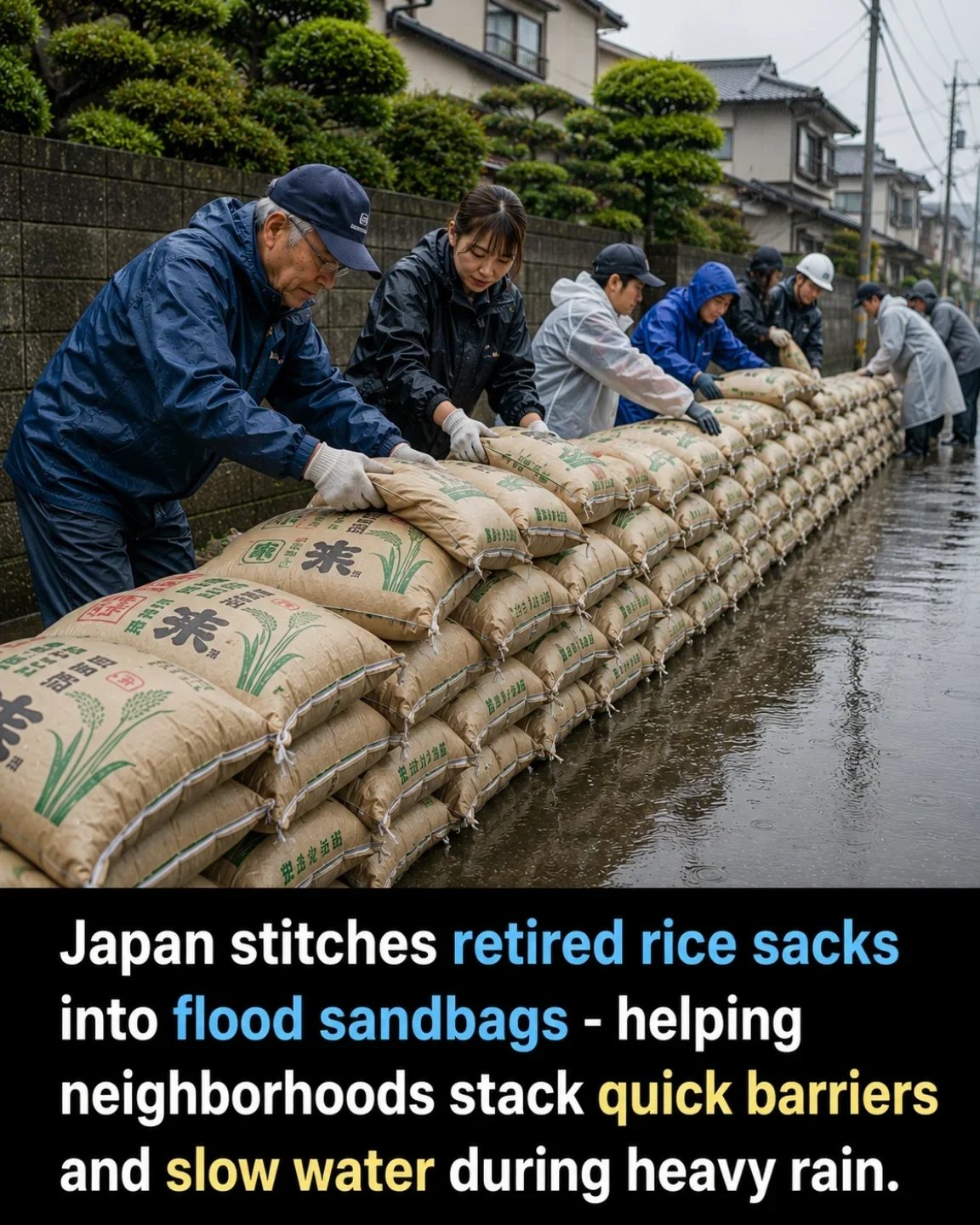
Flood Sandbag Construction: A Community Effort in Japan
Flood sandbag construction is a critical activity in regions prone to heavy rains, and in Japan, communities are taking proactive measures to protect their neighborhoods. By repurposing retired rice sacks, locals are creating effective flood barriers.
Why This Matters
Flooding is a significant threat to many communities around the world. In Japan, where heavy rainfall is a common occurrence, the risk is particularly high. Effective flood mitigation strategies are essential for protecting homes, businesses, and infrastructure. The use of sandbags made from retired rice sacks is a practical and environmentally friendly solution that communities can easily implement.
Main Discussion
The Process of Creating Flood Sandbags
The process of transforming retired rice sacks into sandbags is straightforward. The sacks, which are no longer used for their original purpose, are stitched together to form durable and watertight barriers. This method not only repurposes waste materials but also ensures that the sandbags are ready for use when needed.
Materials and Tools
To create sandbags from rice sacks, you will need:
- Retired rice sacks
- Strong thread and needles
- Sand or other heavy, water-absorbent materials
Steps to Create Sandbags
-
Preparation: Gather the retired rice sacks and ensure they are clean and dry. This step is crucial to prevent any contamination that could compromise the effectiveness of the sandbags.
-
Stitching: Use strong thread and needles to stitch the sacks together. The stitching should be tight and secure to prevent water from seeping through. Double-check the seams to ensure there are no weak points.
-
Filling: Once the sacks are stitched together, fill them with sand or another heavy, water-absorbent material. Make sure the sand is evenly distributed to maintain the shape and stability of the sandbags.
Community Involvement
Community involvement is a key aspect of this initiative. By working together, neighbors can quickly build barriers and slow down the flow of water during heavy rainfall. This collective effort not only helps in mitigating the impact of flooding but also strengthens community bonds.
Benefits of Community Efforts
- Quick Deployment: When a community works together, barriers can be erected quickly, reducing the risk of flooding.
- Cost-Effective: Repurposing rice sacks into sandbags is a cost-effective solution. It minimizes waste and reduces the need for expensive flood mitigation materials.
- Environmentally Friendly: Using retired rice sacks reduces environmental waste and promotes sustainability.
Preventive Measures
Prevention is always better than cure. By building these sandbags in advance, communities can be better prepared for potential floods. This proactive approach ensures that when the rains come, the sandbags are ready to be deployed, providing an immediate line of defense against flooding.
Planning and Preparation
- Identify Vulnerable Areas: Map out the areas in the neighborhood that are most vulnerable to flooding. This could be near rivers, low-lying areas, or places with poor drainage.
- Storage: Store the sandbags in strategic locations where they can be easily accessed during emergencies. Make sure the storage areas are well-maintained and easily accessible.
- Training: Conduct training sessions for community members on how to quickly and effectively deploy the sandbags. This ensures that everyone knows their role in case of a flood.
Practical Tips
- Quality Control: Ensure that the sandbags are well-stitched and free from any defects. Regularly inspect them to make sure they are in good condition.
- Communication: Maintain clear communication channels within the community. This ensures that everyone is aware of the flood preparedness measures and knows what to do when the need arises.
- Regular Drills: Conduct regular drills to practice deploying the sandbags. This helps in identifying any gaps in the preparedness plan and ensures that the community is ready to act swiftly during an emergency.
Important Takeaways
- Repurposing Waste: Retired rice sacks are a valuable resource that can be repurposed into effective flood barriers.
- Community Collaboration: Working together as a community is key to mitigating the impact of heavy rain and flooding.
- Preparation and Planning: Being prepared in advance with well-constructed and strategically stored sandbags can make a significant difference during a flood.
Conclusion
Flood sandbag construction using retired rice sacks is a practical and effective method for communities to protect themselves from heavy rain and potential flooding. By repurposing waste materials and working together, neighborhoods in Japan are taking proactive steps to safeguard their homes and businesses. This initiative not only enhances flood preparedness but also fosters a sense of community and environmental responsibility.
Watch the Reel
Questions readers ask
How do Japanese communities repurpose rice sacks for flood defense?
Japanese communities repurpose retired rice sacks by stitching them together to form barriers. This process creates effective flood defenses for neighborhoods at risk of heavy rainfall. The use of rice sacks is both practical and eco-friendly.
What are the benefits of using rice sacks as flood barriers compared to traditional sandbags?
Rice sack flood barriers offer several benefits, including reduced waste by repurposing old sacks, potential cost savings, and a more sustainable approach to flood defense. Additionally, they can be as effective as traditional sandbags, making them a viable alternative.
Can anyone participate in the creation of flood barriers using rice sacks?
Yes, the creation of flood barriers from rice sacks is often a community effort in Japan. This means anyone can participate, including residents, volunteers, and local organizations. The more people involved, the stronger the community's flood defense measures.
Are there any specific techniques involved in stitching rice sacks together for flood barriers?
While the article does not provide specific stitching techniques, it is likely that communities use simple, strong stitches to ensure the sacks remain secure when filled with sand or other materials. Watching a 'flood defense with rice sacks video' can provide more insights into the process.
How effective are rice sack flood barriers in protecting against heavy rainfall?
Rice sack flood barriers can be very effective in preventing flood damage. When properly constructed and placed, these barriers can withstand significant water pressure, protecting homes, businesses, and infrastructure from water inundation.
What other materials can be used alongside rice sacks for flood barriers?
In addition to rice sacks, communities may use other locally available materials to enhance their flood barriers. These can include sand, soil, or even concrete bags, depending on the resources and specific needs of the community.
How can communities outside of Japan adapt these flood defense techniques?
Communities outside of Japan can adapt these techniques by first assessing their local resources and vulnerabilities. They can then repurpose available materials, such as old burlap sacks, and engage the community in creating and placing flood barriers to protect against local flooding risks.
Related deep dives
Similar reads based on topic and creator.




Recent articles
Fresh deep dives from the latest Reels we unpacked.




Comments
Be the first to comment.