Dream Communication Technology
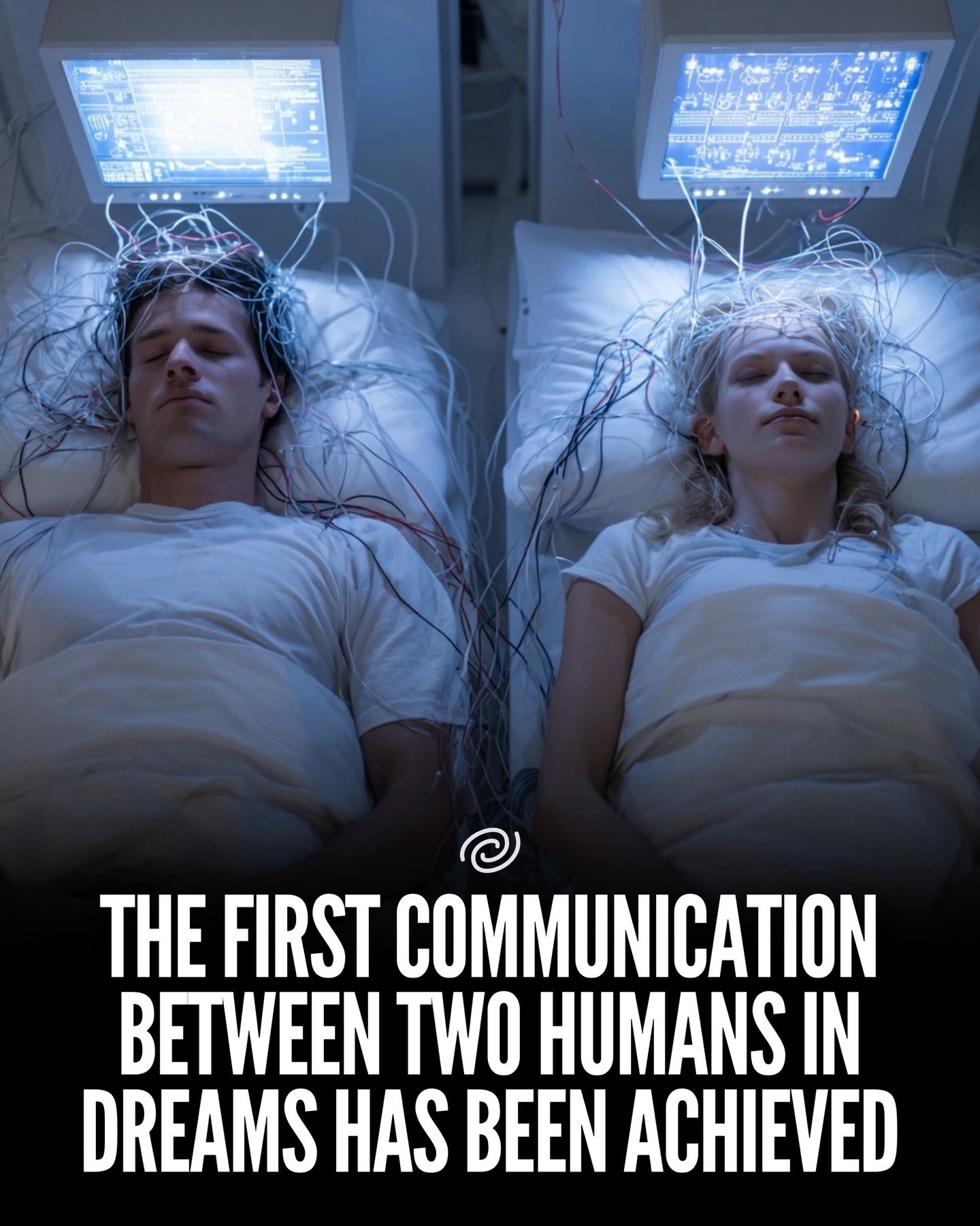
Dream communication might sound like science fiction, but recent advances suggest it could become a reality. Remspace, a Silicon Valley startup, claims to have achieved the first successful communication between two people during a lucid dream. This breakthrough involves transmitting a single word from one dreamer to another while both are asleep and lucid. The technology uses EEG monitors, eye-tracking sensors, and a custom-coded dream language called 'Remmyo'. If expanded, this technology could revolutionize how we study memory, creativity, trauma therapy, and human connection in subconscious states.
Why This Matters
The ability to communicate during dreams opens up new avenues for understanding the human mind. Dreams have long been a subject of curiosity and research, but direct communication within this state is unprecedented. This technology could provide insights into the workings of the brain, helping scientists better understand memory formation, creative processes, and even trauma. Furthermore, it could offer new therapeutic approaches for conditions related to sleep and mental health.
Main Discussion
The Technology Behind Dream Communication
The technology developed by Remspace relies on a combination of advanced sensors and a custom-coded language. EEG monitors track brain activity, while eye-tracking sensors monitor eye movements, which are crucial for lucid dreaming. The custom-coded language, 'Remmyo', acts as a bridge between the subconscious and conscious states, allowing for the transmission of information.
EEG Monitors
Electroencephalography (EEG) monitors are non-invasive devices that record electrical activity in the brain. They are commonly used in sleep studies to track different stages of sleep. In the context of dream communication, EEG monitors help identify when a person is in a lucid dreaming state, which is essential for successful communication.
Eye-Tracking Sensors
Eye-tracking sensors are used to monitor eye movements, which are a key indicator of lucid dreaming. During lucid dreams, people often experience rapid eye movements (REM) that can be detected by these sensors. This information is crucial for synchronizing the communication process between two dreamers.
The Remmyo Language
Remmyo is a custom-coded language designed specifically for dream communication. It acts as a bridge between the subconscious and conscious states, allowing for the transmission of information. The language is reportedly based on patterns of brain activity and eye movements, making it compatible with the EEG monitors and eye-tracking sensors.
Potential Applications
The potential applications of dream communication technology are vast and varied. Some of the most promising areas include memory studies, creativity enhancement, trauma therapy, and human connection.
Memory Studies
One of the most exciting applications of dream communication is in the field of memory studies. By communicating during dreams, researchers could gain insights into how memories are formed and stored. This could lead to new therapies for conditions related to memory loss and could even enhance our understanding of how the brain processes information.
Creativity Enhancement
Dreams are often a source of creativity, and the ability to communicate during dreams could open up new avenues for artistic expression. Artists, writers, and musicians could use this technology to tap into their subconscious minds, potentially leading to new and innovative creations.
Trauma Therapy
Dream communication could also revolutionize trauma therapy. By allowing therapists to communicate with patients during lucid dreams, it could be possible to address and process traumatic experiences in a safe and controlled environment. This could lead to more effective treatments for conditions like post-traumatic stress disorder (PTSD).
Human Connection
Perhaps one of the most intriguing applications of dream communication is in the realm of human connection. The ability to communicate with others during dreams could deepen our relationships and foster a greater sense of empathy and understanding. It could also provide new ways for people to connect with loved ones who are far away or even deceased.
Practical Tips
While the technology is still in its early stages, there are a few practical tips for those interested in exploring dream communication.
Cultivating Lucid Dreams
Lucid dreaming is a skill that can be cultivated with practice. Some techniques to induce lucid dreams include keeping a dream journal, practicing reality checks, and using specific breathing techniques. These methods can help train the mind to recognize when it is dreaming, making it easier to achieve a lucid state.
Understanding EEG and Eye-Tracking
If you're interested in the technology behind dream communication, it can be helpful to understand how EEG monitors and eye-tracking sensors work. There are many resources available online that explain the science behind these technologies and how they can be used in sleep studies.
Exploring Remmyo
For those interested in the custom-coded language used in dream communication, exploring 'Remmyo' could be a fascinating endeavor. While the specifics of the language are not widely available, understanding the principles behind it could provide insights into how information is transmitted between the subconscious and conscious states.
Important Takeaways
The breakthrough achieved by Remspace represents a significant step forward in our understanding of the human mind. The ability to communicate during dreams opens up new possibilities for memory studies, creativity enhancement, trauma therapy, and human connection. While the technology is still in its early stages, the potential applications are vast and could revolutionize various fields.
Conclusion
Dream communication technology is a fascinating and promising area of research. The ability to communicate during dreams could provide new insights into the workings of the human mind and offer new therapeutic approaches for a range of conditions. As the technology continues to develop, it could revolutionize how we study memory, creativity, trauma therapy, and human connection.
Watch the Reel
Related deep dives
Similar reads based on topic and creator.




Recent articles
Fresh deep dives from the latest Reels we unpacked.




Comments
Be the first to comment.