Stress Relief with Water
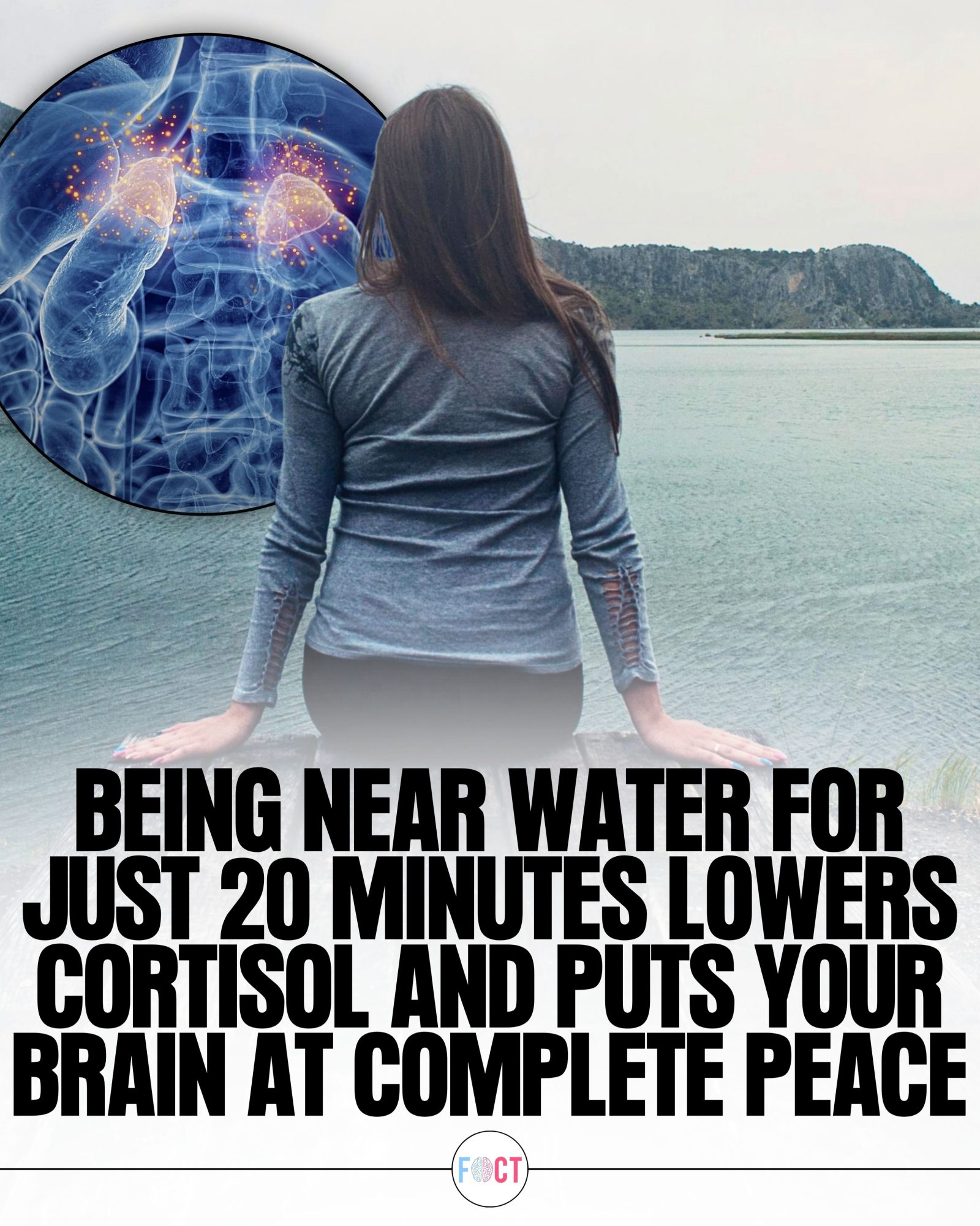
Spending time near natural bodies of water has a profound effect on our stress levels. Scientific research indicates that just twenty minutes in these environments can significantly lower cortisol, the body’s primary stress hormone.
Restorative Effects of Water
One of the key benefits of being near water is the reduction in cortisol levels. Cortisol is a hormone released by the adrenal glands in response to stress. Elevated cortisol levels can lead to a variety of health issues, including anxiety, depression, and weakened immune function. By spending twenty minutes near a body of water, your cortisol levels can decrease, promoting a sense of calm and reducing the harmful effects of chronic stress.
The concept of "blue mind" refers to the mildly meditative state that being near water can induce. This state is characterized by feelings of calm, peace, and unity. When you step away from the urban noise and immerse yourself in a natural water setting, your nervous system has a chance to reset and find balance. The visual and auditory patterns of moving water, such as the gentle lapping of waves or the soothing sound of a flowing river, are naturally soothing to the human psyche. This gentle stimulation provides a mental break, clearing away mental fog and improving overall emotional well-being.
Why Nature Matters
Nature, particularly bodies of water, acts as a powerful tool for managing the pressures of modern life. Accessing natural environments can reduce stress, improve mood, and enhance overall well-being without costing a thing. This makes it an accessible and effective method for managing stress and promoting mental health. Incorporating short sessions by a river, lake, or ocean into your routine can lead to long-term improvements in mental clarity and physical health.
The Soothing Effects of Water
The gentle sounds of water can help reduce tension and promote feelings of tranquility. The rhythmic flow of water can help you enter a state of mindfulness, allowing you to focus on the present moment and let go of worries. This natural soothing effect is a great way to unwind after a stressful day or to take a break during the workday.
Practical Tips for Engaging with Water
To fully benefit from the stress-relieving effects of water, it's essential to engage with it in a mindful way. Here are some practical tips for incorporating water into your daily routine:
- Find Local Waterfronts: Look for nearby rivers, lakes, or beaches where you can spend some quiet time. Even a small pond or fountain in a local park can provide the benefits.
- Mindful Observation: Engage your senses by observing the water. Notice the movement, the colors, and the sounds. Allow yourself to get lost in the moment.
- Breathe: Take deep, slow breaths while you are near the water. This can help you relax and focus on the present moment.
- Consistent Practice: Make it a habit to spend time near water regularly. Even a few minutes each day can have a significant impact on your stress levels.
Important Takeaways
- Cortisol Reduction: Just twenty minutes near water can lower cortisol levels, reducing stress.
- Blue Mind State: Water promotes a state of calm and unity, akin to a mild meditation.
- Natural Reset: Nature provides a cost-free method for managing stress and improving well-being.
- Mindful Engagement: Engage with water mindfully to enhance its stress-relieving effects.
Conclusion
Being near natural bodies of water provides a simple yet effective way to manage stress and improve overall well-being. The soothing effects of water, combined with the reduction in cortisol levels and the promotion of a "blue mind" state, make it a valuable tool for maintaining mental and physical health. By incorporating short sessions by a river, lake, or ocean into your routine, you can experience long-term improvements in mental clarity and emotional well-being. Take a moment today to find your local waterfront and let nature's tranquility wash over you.
Watch the Reel
Questions readers ask
How does being near water for 20 minutes help reduce stress?
Spending 20 minutes near natural bodies of water can lower cortisol levels, the body’s primary stress hormone. This reduction in cortisol promotes a sense of calm and reduces the harmful effects of chronic stress, providing a mental break and enhancing your overall well-being.
What is the 'blue mind' concept mentioned in the article?
The 'blue mind' concept refers to the mildly meditative state that people enter when they are near, on, in, or under natural water. This state is associated with reduced stress levels and a heightened sense of calm and tranquility.
What are cortisol levels and why does reducing them help with stress relief?
Cortisol is a hormone released by the adrenal glands in response to stress. Elevated cortisol levels can lead to various health issues, including anxiety and weakened immune function. Reducing cortisol levels through natural water therapy can promote relaxation and alleviate stress.
What types of natural bodies of water are beneficial for stress relief?
Any natural body of water, such as lakes, rivers, oceans, or streams, can be beneficial for stress relief. The key is to spend 20 minutes or more in a natural environment by the water to experience the calming effects.
Can spending 20 minutes by the water improve my mental well-being?
Yes, spending 20 minutes near natural water can improve your mental well-being. The natural stimulation of moving water patterns and sounds has a soothing effect on the human psyche, providing a mental break and enhancing overall well-being.
What are some stress reduction techniques involving natural water therapy?
Some stress reduction techniques involving natural water therapy include walking along a beach, sitting by a lake, or simply listening to the sounds of a flowing river. These activities can help lower cortisol levels and promote a sense of calm and relaxation.
Are there any health benefits of being near water for 20 minutes?
Spending 20 minutes near natural bodies of water can significantly lower cortisol levels. This reduction in cortisol can lead to various health benefits, including anxiety and depression reduction and improved immune function.
Recent articles
Fresh deep dives from the latest Reels we unpacked.




Comments
Be the first to comment.