Tram Shelter Reuse: Revitalizing Urban Spaces in Belgium
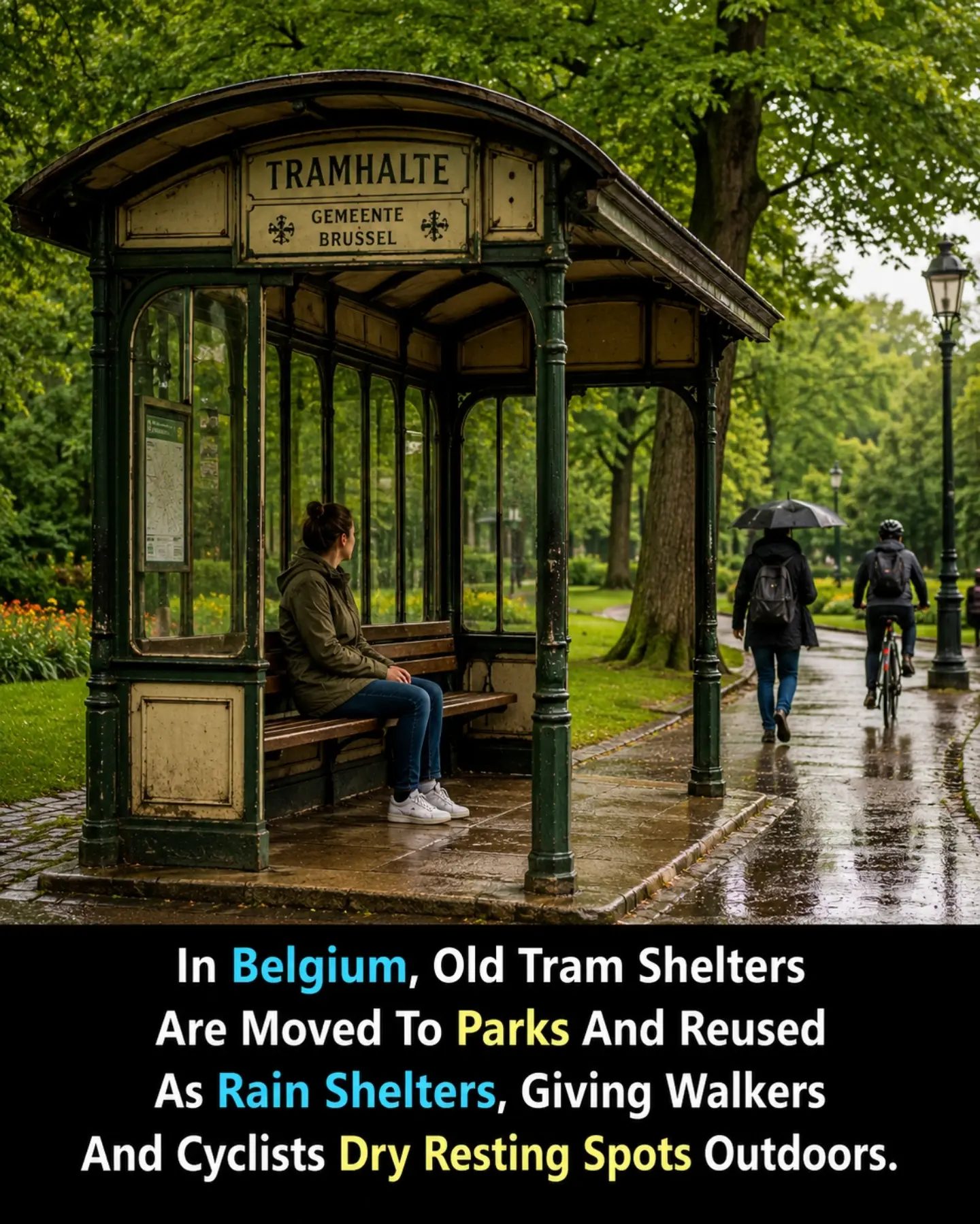
In Belgium, a unique urban planning initiative is breathing new life into old tram shelters by repurposing them as rain shelters in parks. This innovative approach not only provides walkers and cyclists with dry resting spots outdoors but also adds a touch of functionality and aesthetic appeal to urban green spaces.
Why This Matters
Urban sustainability and the efficient use of resources are increasingly important in modern city planning. By repurposing old tram shelters, Belgium is setting an example of how cities can adapt and reuse existing infrastructure to meet the evolving needs of their residents. This initiative showcases a practical solution to urban waste and demonstrates how small changes can significantly enhance the quality of life for residents.
Main Discussion
The Initiative
The initiative involves relocating old tram shelters from their original sites to parks and other outdoor areas. These shelters, which were once used to provide protection to pedestrians and cyclists waiting for trams, are now serving a new purpose. By converting them into rain shelters in public parks, Belgium has created convenient and comfortable resting spots for walkers and cyclists who find themselves caught in the rain. These shelters offer a dry and safe space for outdoor enthusiasts to take a break and continue their activities comfortably.
Benefits for the Community
The repurposing of tram shelters has numerous benefits for the community. Firstly, it provides functional spaces for walkers and cyclists, enhancing their outdoor experience. Secondly, it contributes to the overall aesthetic appeal of the parks, making them more inviting and enjoyable. Lastly, it helps in conserving resources by giving a new lease of life to old infrastructure, thereby reducing waste and promoting sustainability.
The Shelters: Functionality and Aesthetics
These old tram shelters are not just functional; they also add an element of charm and nostalgia to the parks. The shelters' design, which was originally meant for urban settings, blends well with the natural surroundings of parks. The vision of a woman sitting inside the shelter and a cyclist passing by in the rain highlights the practicality and visual appeal of these structures. They serve as a testament to how historical elements can be integrated into modern urban landscapes.
Urban Planning and Sustainability
Belgium’s approach to repurposing old tram shelters is a prime example of sustainable urban planning. It shows how cities can creatively reuse existing infrastructure to meet current needs without incurring additional costs. By doing so, Belgium is not only preserving its heritage but also creating a more livable and sustainable urban environment.
An Example for Other Cities
The initiative serves as an inspiration for other cities looking to enhance their urban spaces. The idea of repurposing old infrastructure can be applied to various contexts, from converting old bus stops into mini-libraries to transforming abandoned warehouses into community centers. This kind of adaptive reuse not only saves resources but also fosters a sense of community and belonging.
Practical Tips
For cities looking to implement similar initiatives, here are some practical tips:
- Assess Existing Infrastructure: begin by identifying old structures that can be repurposed. Conduct a thorough assessment to understand their condition and potential uses.
- Engage the Community: Involve the local community in the planning process to understand their needs and preferences. This ensures that the repurposed spaces are useful and well-received.
- Collaborate with Experts: Work with urban planners, architects, and engineers to come up with innovative and functional designs.
- Promote Sustainability: Ensure that the repurposing initiative aligns with broader sustainability goals, such as reducing waste and conserving resources.
Important Takeaways
- Repurposing old tram shelters into rain shelters in parks is a practical and sustainable approach to urban planning.
- These shelters provide walkers and cyclists with dry and comfortable resting spots, enhancing their outdoor experience.
- The initiative adds aesthetic value to parks and contributes to the overall charm and functionality of urban spaces.
- This approach shows how cities can creatively reuse existing infrastructure to meet current needs without incurring additional costs.
Conclusion
Belgium's innovative approach to repurposing old tram shelters into rain shelters in parks is a testament to the power of sustainable urban planning. This initiative not only provides functional and aesthetically pleasing spaces for the community but also demonstrates how cities can adapt and reuse existing infrastructure to create more livable and sustainable environments. By taking inspiration from this example, other cities can explore similar initiatives to enhance their urban spaces and promote sustainability.
Watch the Reel
Questions readers ask
How does Belgium's tram shelter reuse initiative benefit urban green spaces?
By transforming old tram shelters into rain havens, Belgium enhances the functionality of parks. These shelters provide necessary protection from the elements, thereby encouraging more outdoor activities and boosting overall enjoyment of urban green spaces.
What makes the reuse of tram shelters a sustainable solution for cities?
Repurposing existing infrastructure reduces waste and the need for new construction. This initiative promotes sustainable city development by making efficient use of resources that are already present and adapting them to meet the evolving needs of urban residents.
Who benefits most from the tram shelter repurposing in Belgium?
Pedestrians and cyclists are the primary beneficiaries of this initiative. The repurposed shelters offer dry and comfortable resting spots, making outdoor activities more pleasant and accessible, especially during rainy or inclement weather.
What aesthetic benefits do these repurposed tram shelters bring to urban parks?
The transformed tram shelters not only serve a practical purpose but also add a unique visual element to parks. These vintage structures, with their historical charm, contribute to the overall aesthetic appeal of urban green spaces, offering a blend of old and new design.
How does Belgium's initiative address urban waste and resource management?
By repurposing old tram shelters, Belgium demonstrates a proactive approach to urban waste. Instead of demolishing or neglecting outdated infrastructure, the city finds innovative ways to reuse and revitalize these structures, thereby reducing waste and promoting efficient resource management.
Can other cities adopt a similar approach to Belgium's tram shelter reuse?
Yes, many cities can learn from Belgium's example. This model showcases how to adapt and reuse existing infrastructure to meet current needs. By identifying underutilized or outdated structures, cities can find creative ways to enhance public spaces and promote sustainability.
How does this initiative impact the overall enjoyment of public spaces in Belgium?
The repurposing of old tram shelters into rain havens directly enhances the enjoyment of public spaces. These shelters make parks more inviting and usable, especially during bad weather conditions, thereby increasing the overall appeal and utility of urban green areas.
Related deep dives
Similar reads based on topic and creator.




Recent articles
Fresh deep dives from the latest Reels we unpacked.




Comments
Be the first to comment.