Data Center Opposition in the U.S.
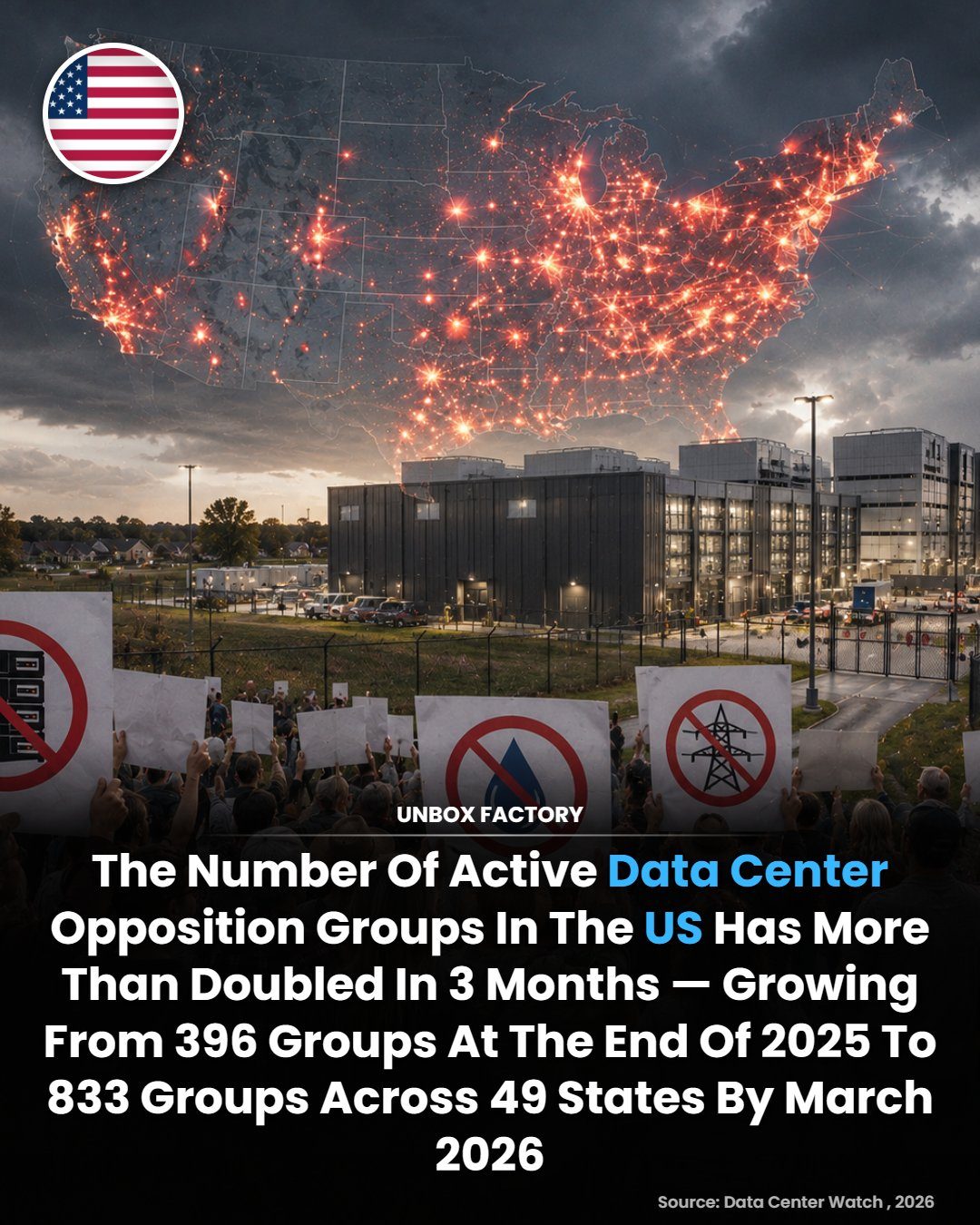
Communities across the United States are voicing heightened concerns over the rapid expansion of AI infrastructure, particularly the construction of new data centers. The opposition to these projects has surged significantly in recent months, with active community groups opposing new data centers jumping from 396 at the end of 2025 to 833 groups across 49 states by March 2026. This rapid increase reflects a growing unease among residents about various impacts of these facilities.
Why This Matters
The surge in opposition to data centers is closely tied to the escalating demand for AI infrastructure. These facilities are essential for powering AI developments, which often require hundreds of megawatts of electricity and substantial water supplies for cooling. As AI continues to expand nationwide, the conflict between technological progress and community concerns becomes more pronounced.
Understanding the Concerns
Electricity Demand
One of the primary concerns voiced by opposition groups is the significant electricity demand imposed by data centers. These facilities consume vast amounts of power, which can strain local grids and potentially lead to increased energy costs for residents. The environmental impact of generating this electricity, particularly if it relies heavily on fossil fuels, is another critical concern.
Water Consumption
Data centers require substantial water supplies for cooling their servers. This can be a major issue in areas already facing water scarcity. The competition for water resources between data centers and local communities creates a contentious issue, especially in regions prone to drought.
Land Use
The physical footprint of data centers is another point of contention. These facilities often occupy large tracts of land, which can displace local communities, impact agricultural practices, or encroach on natural habitats. The perception of data centers as industrial blights in otherwise rural or residential areas adds to the opposition.
Tax Incentives
Opposition groups also raise questions about the tax incentives offered to data center developers. These incentives, intended to attract businesses, can result in significant revenue losses for local governments. Critics argue that these lost funds could be better utilized for community services and infrastructure.
Noise and Environmental Impacts
Data centers operate 24/7, generating constant noise from cooling systems and other equipment. This can disrupt the quality of life for nearby residents. Additionally, the environmental impacts, including potential air and water pollution, are significant concerns for local communities.
The Rise in Opposition Groups
The rapid increase in the number of opposition groups underscores the growing discontent among communities. This surge in opposition groups coincides with an unprecedented wave of proposed AI developments. The concentration of these groups across 49 states indicates a widespread and diverse opposition movement.
The Push for Greater Transparency and Control
Communities are increasingly demanding greater transparency, environmental review, and local control over where new data centers are built. This push for more oversight is driven by the need to address the concerns around electricity demand, water consumption, land use, and environmental impacts.
Practical Tips for Stakeholders
For Data Center Developers
- Engage with Communities Early: Initiate community engagement early in the planning process to understand local concerns and address them proactively.
- Transparency: Provide detailed information about the energy and water usage of the proposed data center, as well as any potential environmental impacts.
- Sustainable Practices: Implement sustainable practices, such as using renewable energy sources and advanced cooling technologies, to reduce the environmental footprint.
- Community Benefits: Highlight the potential benefits for the community, such as job creation and economic development.
For Local Governments
- Comprehensive Reviews: Conduct thorough environmental impact assessments and community consultations before approving new data center projects.
- Balanced Incentives: Structure tax incentives in a way that balances the benefits for the community with the needs of the data center.
Important Takeaways
- The rapid expansion of AI infrastructure, particularly data centers, is facing significant opposition from community groups.
- Concerns revolve around electricity demand, water consumption, land use, tax incentives, and environmental impacts.
- The surge in opposition groups reflects a widespread demand for greater transparency, environmental review, and local control.
Conclusion
The escalating opposition to data centers in the U.S. highlights a critical intersection between technological progress and community concerns. As AI continues to grow, it is imperative for developers, local governments, and communities to work together to find balanced solutions that address both the needs for infrastructure and the well-being of local residents. By fostering greater transparency, engaging with communities, and implementing sustainable practices, it is possible to navigate these challenges and build a more harmonious future.
Watch the Reel
Questions readers ask
Why are more communities in the U.S. opposing data centers?
The increase in opposition to data centers is primarily due to concerns about the escalating electricity demand, water usage, and the amount of land required for these facilities.
How many active community groups are opposing new data centers?
The number of active groups opposing data centers has more than doubled, from 396 in 2025 to 833 across 49 states.
What role does AI infrastructure play in the rise in data center opposition?
The rapid expansion of AI infrastructure drives the need for more data centers, which in turn raises concerns among communities about the environmental and economic impacts.
What are the main environmental concerns raised by opposition groups?
Opposition groups are most concerned with the high electricity and water consumption of data centers, as well as the significant land use required for these expansive facilities.
Which states are most affected by the rise in data center opposition?
The rise in data center opposition is widespread, with active groups present in 49 out of 50 states, indicating a nationwide trend.
Related deep dives
Similar reads based on topic and creator.




Recent articles
Fresh deep dives from the latest Reels we unpacked.




Comments
Be the first to comment.