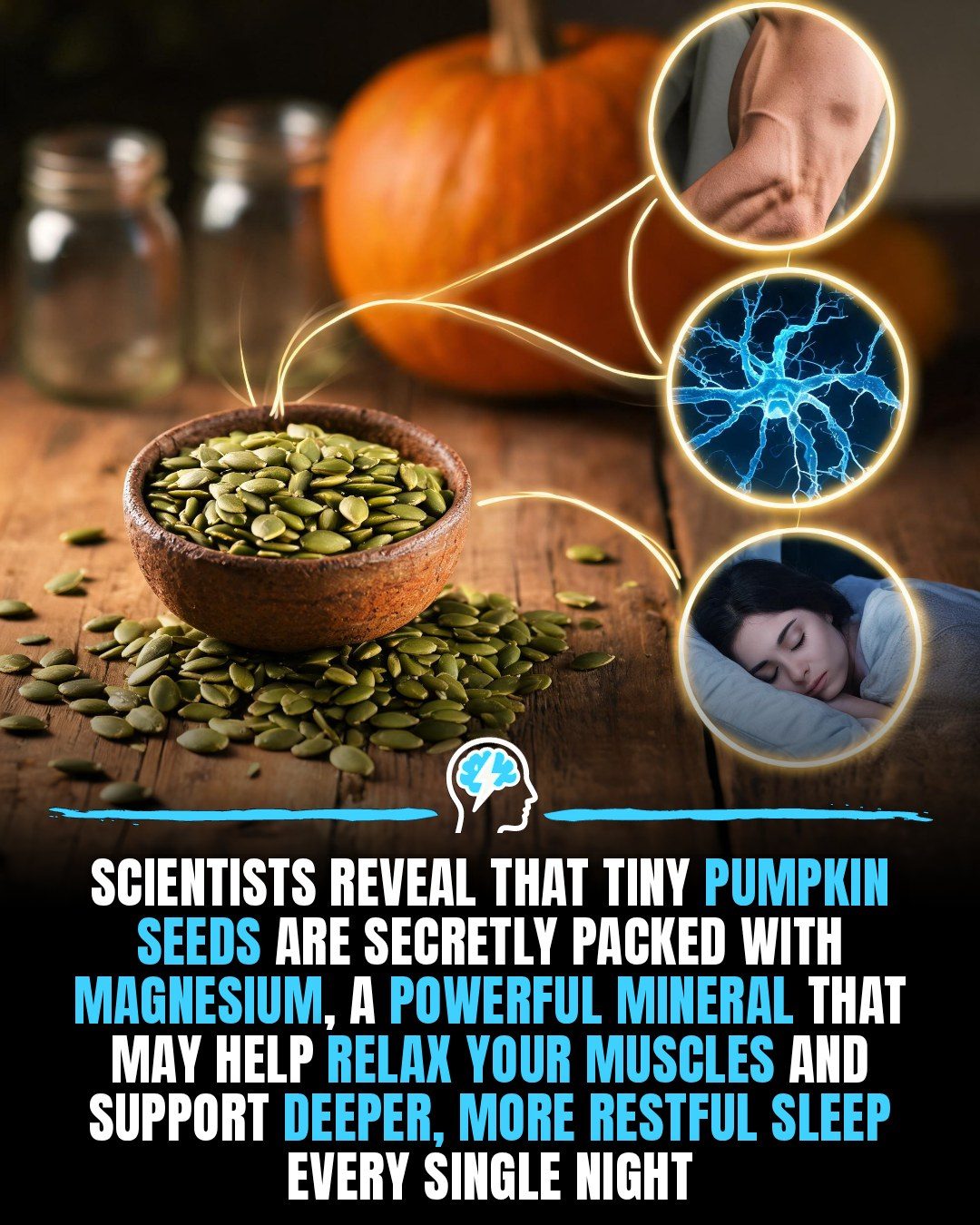
Pumpkin Seeds: A Tiny Powerhouse of Nutrients
Pumpkin seeds are often overlooked as a mere snack or garnish, but these tiny seeds pack a powerful nutritional punch. They are one of the best natural sources of magnesium, a mineral that many diets lack. A small handful of pumpkin seeds can fuel hundreds of biochemical reactions that your body performs daily.
Why This Matters
Magnesium is a crucial mineral for overall health. It supports muscle function, promotes restful sleep, and contributes to heart and metabolic health. Incorporating pumpkin seeds into your diet can help address deficiencies in this vital nutrient, leading to improved physical well-being and better sleep quality.
Main Discussion
Magnesium: The Key to Muscle Health
Magnesium plays a critical role in muscle function and recovery. It acts as a natural calcium blocker, helping muscles relax after contraction. Without sufficient magnesium, muscles can remain tense, leading to persistent spasms and cramps. Pumpkin seeds can help prevent nighttime leg cramps, support muscle protein synthesis, and reduce overall physical tension.
Deeper, More Restorative Sleep
Pumpkin seeds contain tryptophan, an amino acid that the body converts into serotonin and then melatonin. Melatonin is the hormone that regulates the sleep-wake cycle. Magnesium enhances this effect by binding to GABA receptors, calming the nervous system and promoting deeper, more restful sleep.
Heart and Metabolic Support
Magnesium is essential for regulating blood pressure and blood flow. Additionally, pumpkin seeds are rich in vitamin E and carotenoids, which protect cells from inflammation. Zinc and healthy fats in these seeds support the immune system and help balance cholesterol levels, contributing to overall heart and metabolic health.
Other Nutritional Benefits
Pumpkin seeds contain a variety of vitamins and minerals, including:
- Zinc: Essential for immune function and cell growth.
- Vitamin E: An antioxidant that protects cells from damage.
- Carotenoids: Compounds that support eye health and reduce the risk of chronic diseases.
- Healthy Fats: Monounsaturated and polyunsaturated fats that support heart health and reduce inflammation.
Practical Tips
Incorporating Pumpkin Seeds into Your Diet
Adding pumpkin seeds to your diet is easy and versatile. Here are some practical tips:
- Sprinkle over oatmeal or Greek yogurt for a crunchy, nutritious toppings.
- Mix into salads for added crunch, protein, and a boost of essential minerals.
- Blend into smoothies for a mineral boost without altering the flavor.
- Add to homemade granola or bread to enhance the nutritional value of your baked goods.
Making the Most of Pumpkin Seeds
To maximize the benefits, consider the following:
- Choose Raw or Roasted: Both raw and roasted pumpkin seeds offer nutritional advantages. Raw seeds retain all their natural oils and nutrients, while roasted seeds can be more convenient and delicious.
- Avoid Added Sugars and Salts: Opt for plain, unsalted, and unroasted seeds to avoid unnecessary sodium and sugar. You can roast them at home with a bit of olive oil and your favorite seasonings.
- Store Properly: Store pumpkin seeds in an airtight container in a cool, dark place to maintain freshness and nutritional value. Refrigeration can extend their shelf life.
Important Takeaways
Pumpkin seeds are a nutritional powerhouse, especially when it comes to magnesium. This tiny seed supports muscle function, promotes better sleep, and contributes to overall heart and metabolic health. By incorporating pumpkin seeds into your daily diet, you can address common nutritional deficiencies and improve your well-being.
Conclusion
Pumpkin seeds are a versatile and nutritious addition to any diet. Their high magnesium content supports muscle function, promotes restful sleep, and contributes to overall health. Whether you sprinkle them over oatmeal, mix them into salads, or blend them into smoothies, pumpkin seeds offer a simple and effective way to boost your nutritional intake.
Watch the Reel
Related deep dives
Similar reads based on topic and creator.



Recent articles
Fresh deep dives from the latest Reels we unpacked.




Comments
Be the first to comment.