
What Happens to Your Body When You Go Without Sleep for 11 Days
Sleep deprivation can dramatically impact your daily activities, from simple tasks like eating cereal to complex action…
Category
Deep-dive articles in this topic.
Sleep deprivation can dramatically impact your daily activities, from simple tasks like eating cereal to complex action…
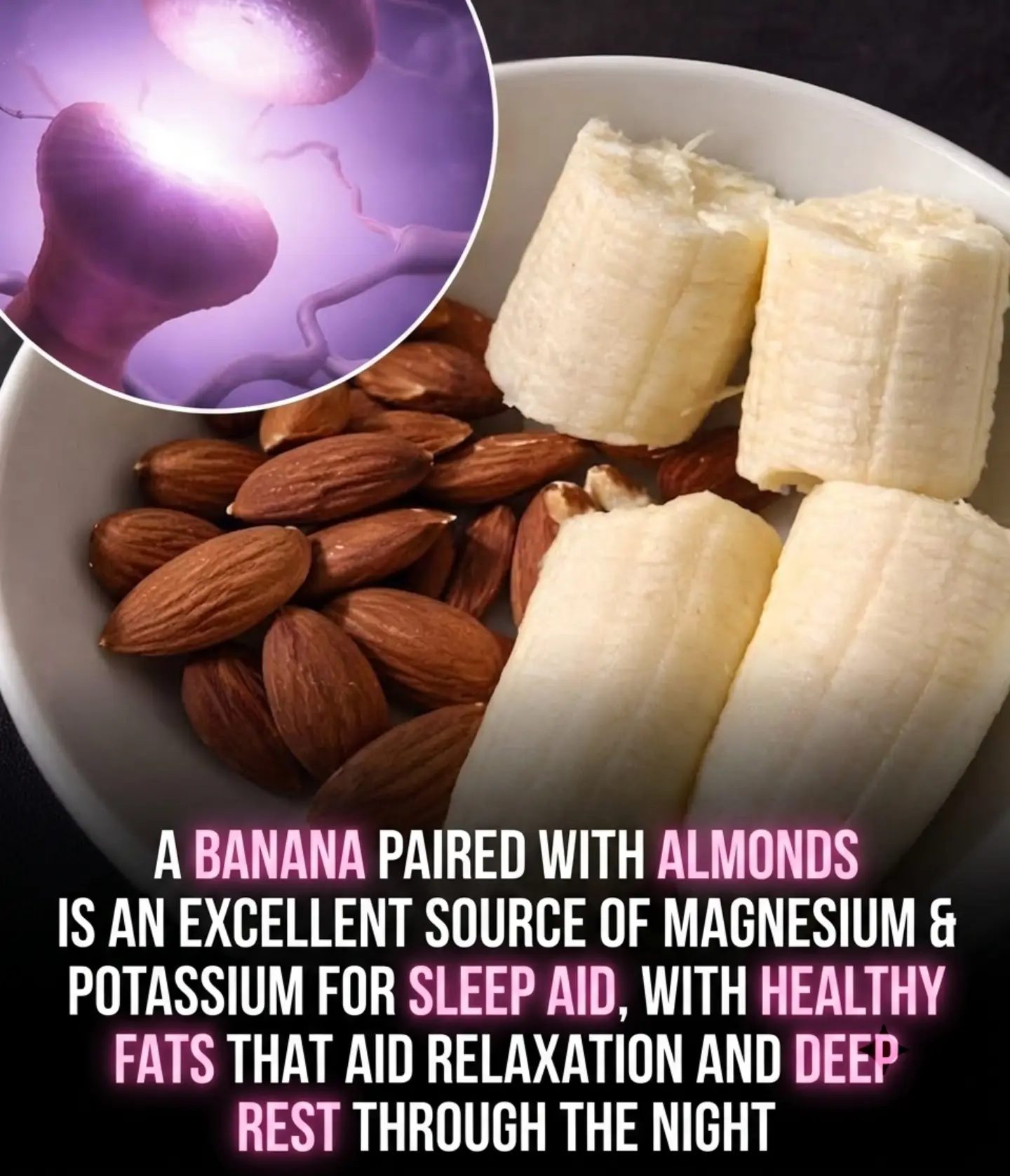
Discover how bananas and almonds can naturally enhance sleep quality. These simple foods together provide a powerful co…
Regular sleep is vital for mental health, as consistent sleep routines and alignment with your body's natural circadian…
Overthinking can severely disrupt sleep, especially in women. This mental activity creates a hypervigilant state that i…

Sleeping in a cool bedroom can enhance your sleep quality, boost your metabolism, and improve your mental health. It al…
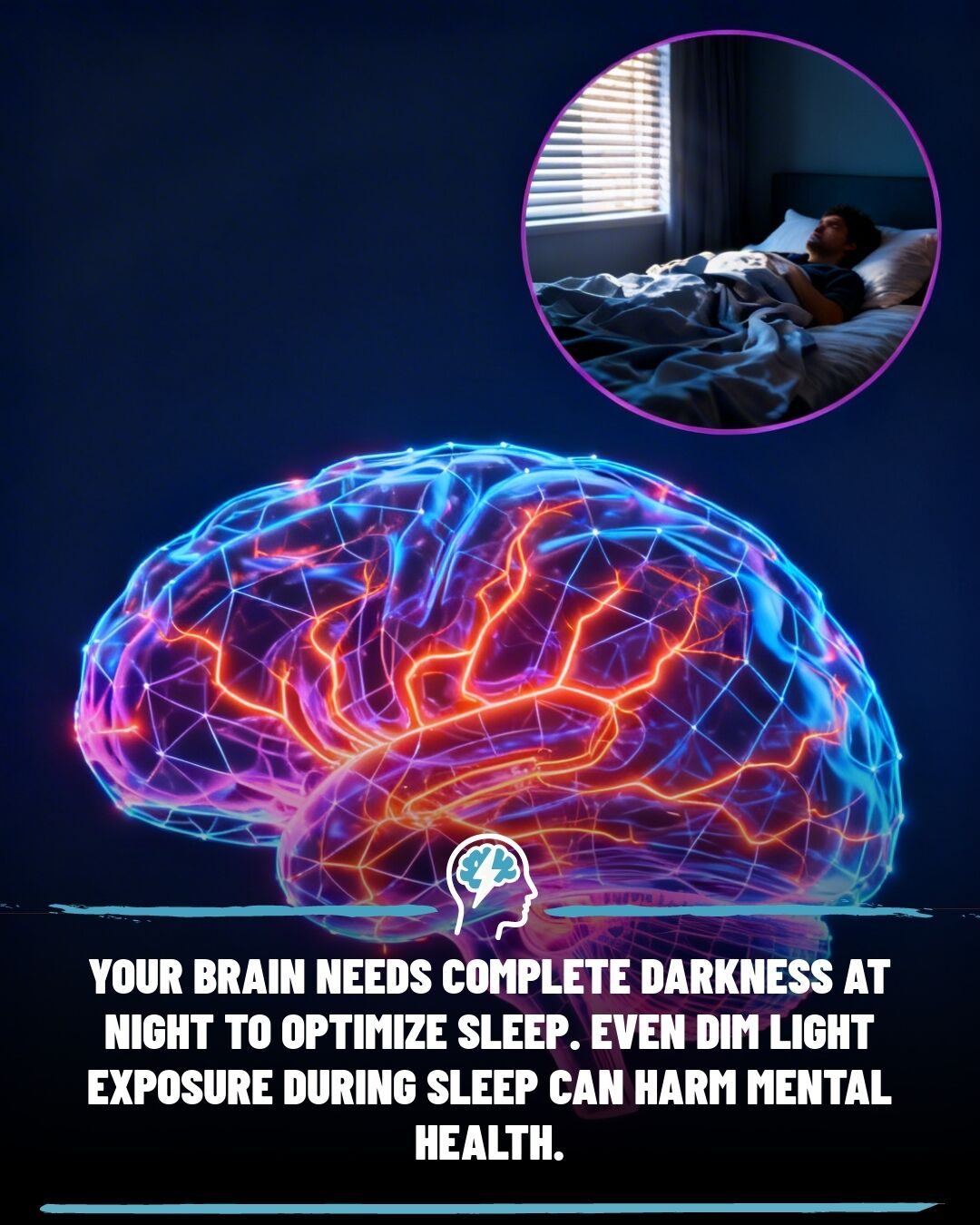
Darkness is crucial for regulating your body's natural sleep-wake cycle and maintaining mental health. Artificial light…
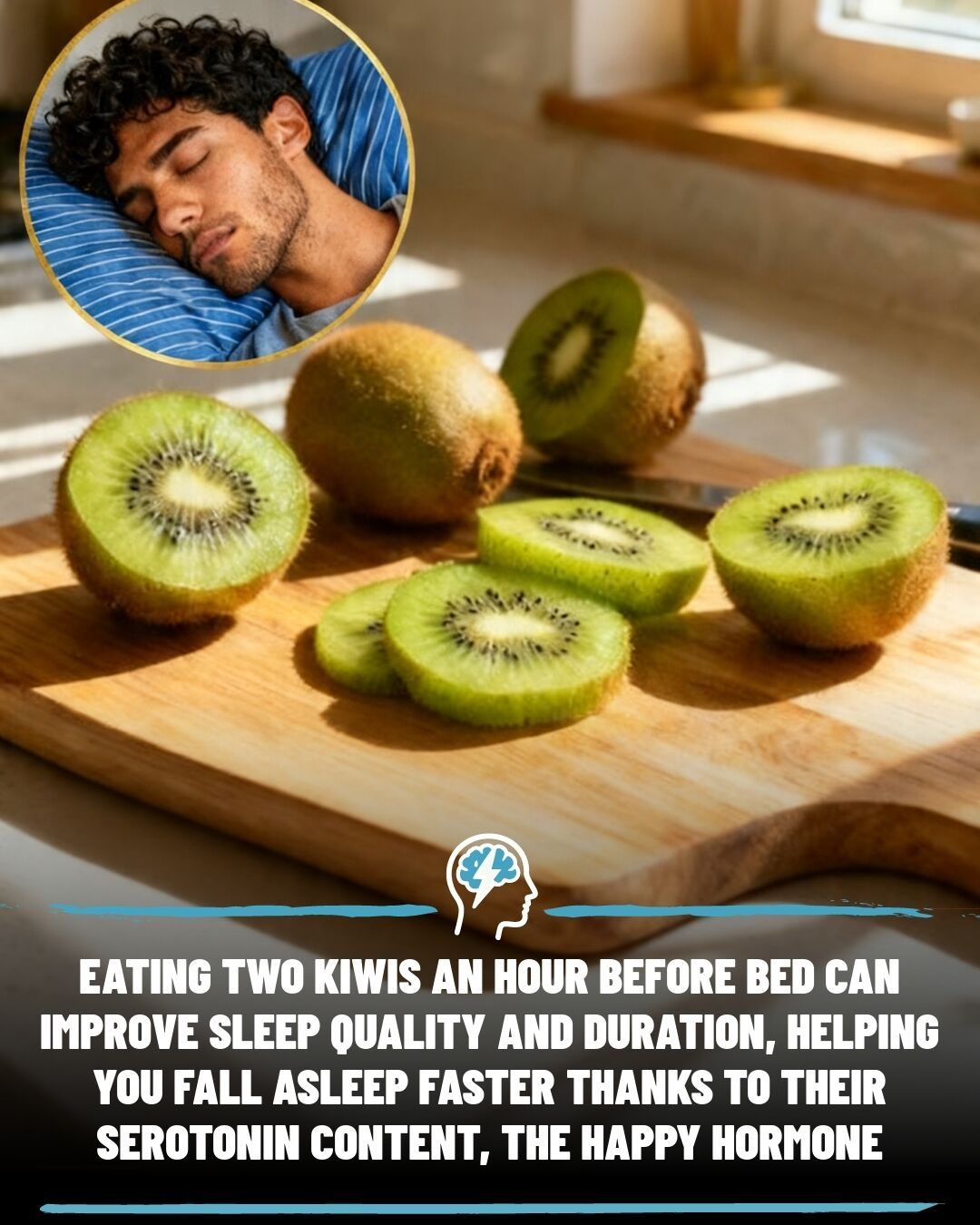
Incorporating two kiwis into your nightly routine may significantly improve your sleep quality, helping you fall asleep…
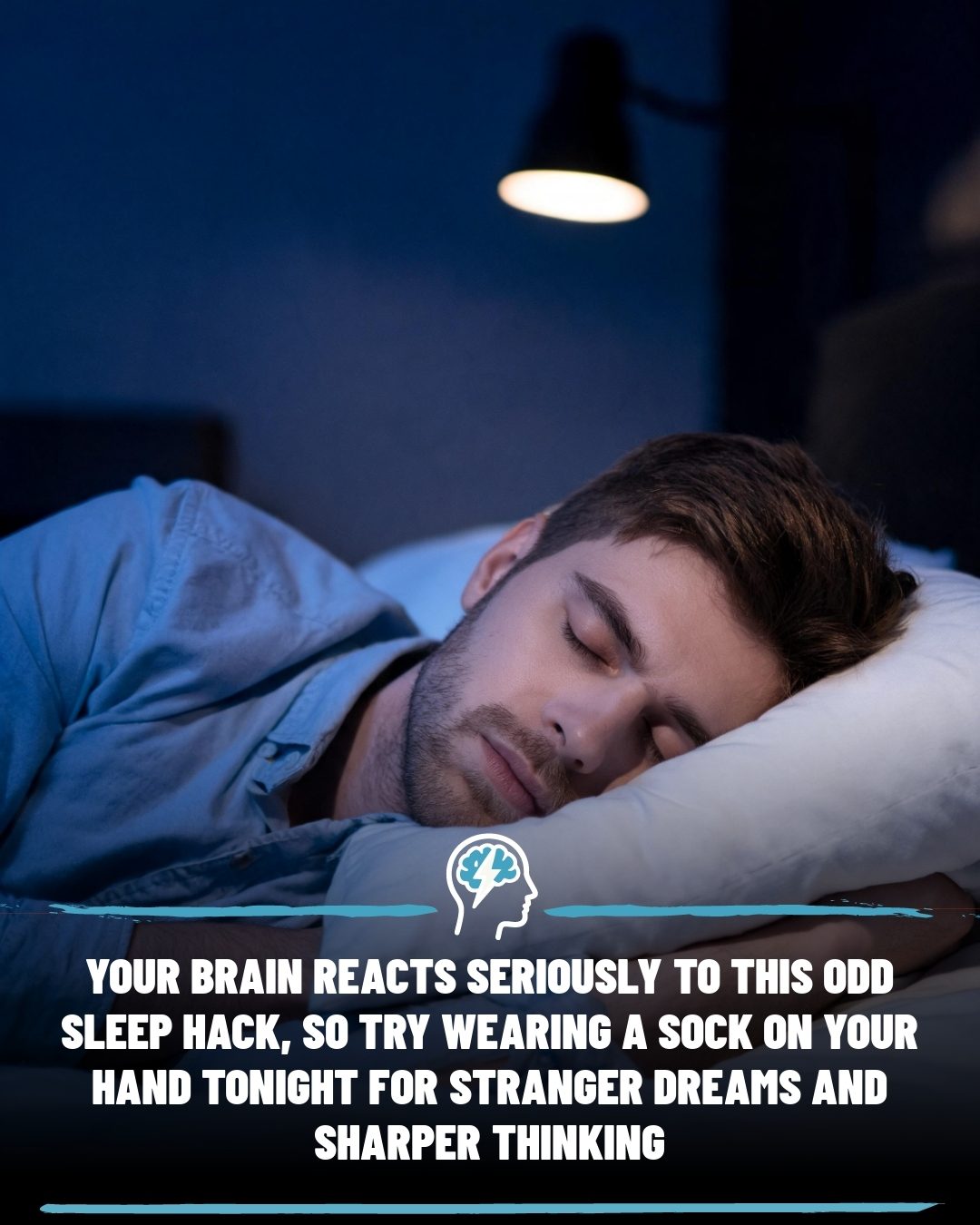
Disrupt your brain's autopilot mode with a simple trick: wear a sock on your hand while you sleep. This sensory mismatc…
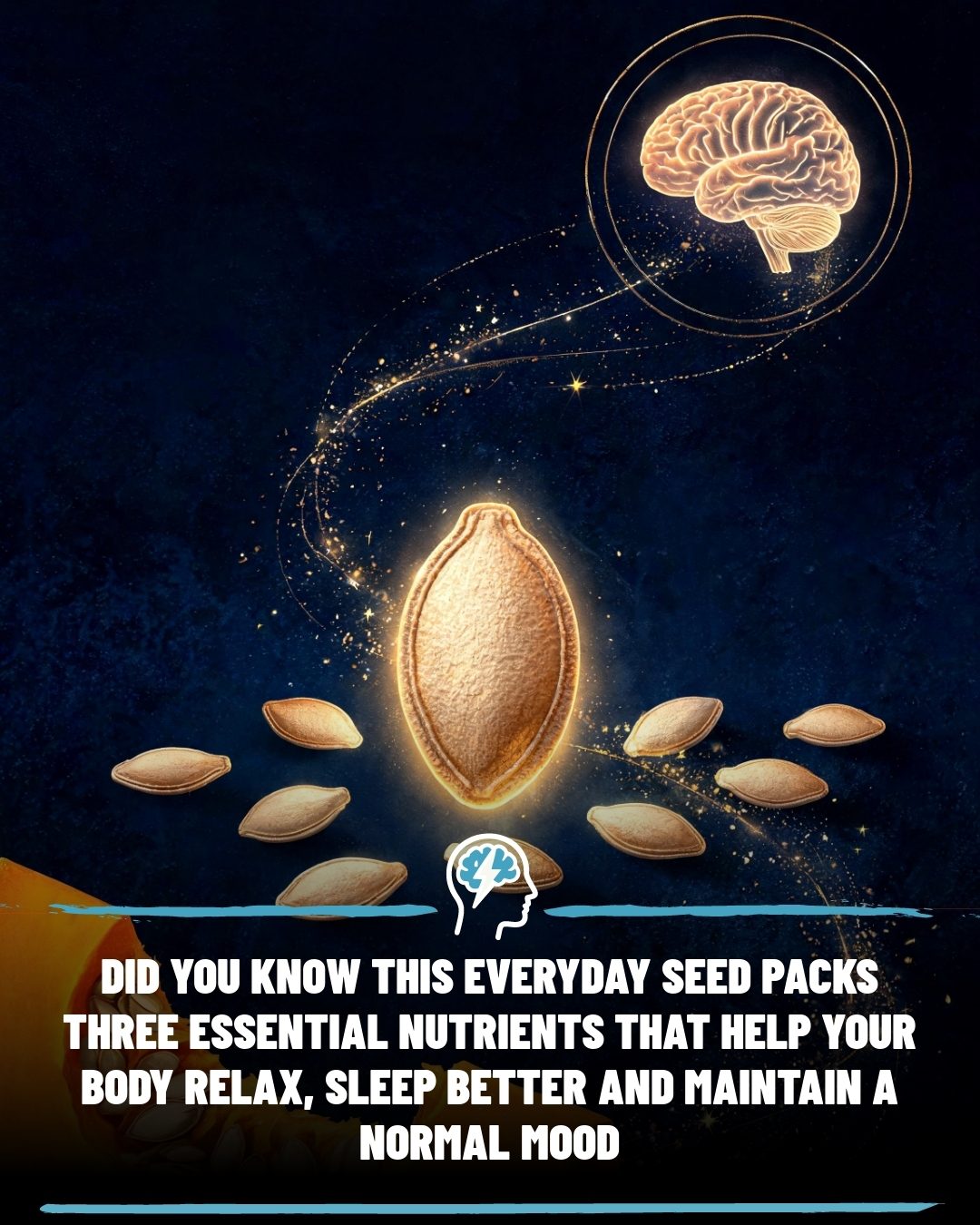
Pumpkin seeds are a nutritious snack with benefits that go well beyond their seasonal appeal. They are packed with magn…

Discover how your sleep position can enhance or hinder brain function and spinal health. Side sleeping, in particular,…

Sleeping positions impact more than just comfort; they affect your overall health. Side sleeping can help reduce snorin…

Nighttime light, especially bright light, can disrupt your body’s natural rhythms, affecting sleep quality, metabolism,…