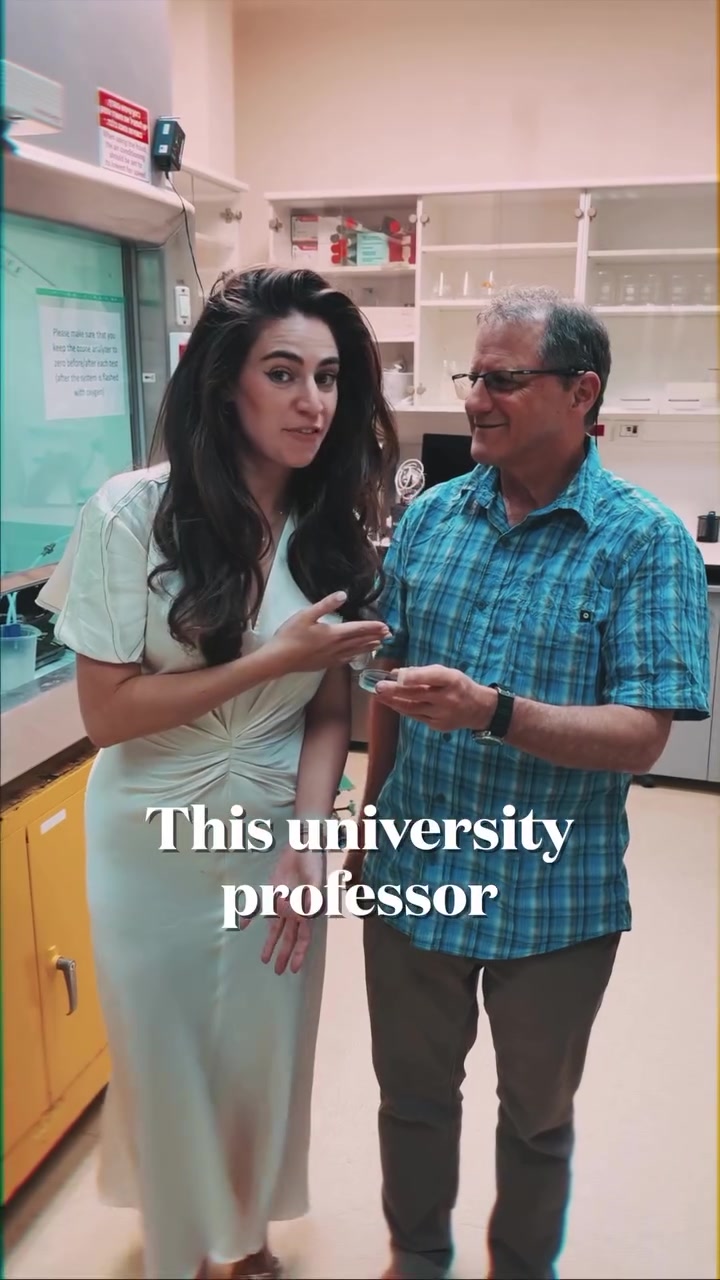
In the world's laboratories, one professor has found human poop is a bargain basement source of energy. It churns out 7 billion pounds of waste daily from humans alone. One day, Professor Amit Gross turned his students' poop into coal. Everything changes when you ask "what if".
What is hydrothermal carbonization
Hydrothermal carbonization is a process that transforms organic waste, such as human poop, into a coal-like substance. This method involves heating the waste to 480 degrees Fahrenheit under high pressure in a sealed machine. The waste shrinks and the heat kills pathogens. This process is the same as the one that turns plants into coal — but instead of taking millions of years, it works on a timescale of hours. As a bonus, hydrothermal carbonization also produces a liquid byproduct that can be used as a fertiliser. Human waste is an abundant resource, 7 billion pounds are produced every day. There’s a world of benefits when we convert it to coal — fossil fuels are a finite resource, but waste is ever-present and renewable, an ideal energy source in this context. This conversion is not just about creating fuel. It also helps to reduce waste build up that are going on in the world. These two benefits — turning waste into a valuable resource, and using that resource to generate energy — makes the process desirable.
The Nutrients in Our Waste
The process of turning human waste into coal is not just about creating energy. It's also about recognizing the value of what we often overlook. Human waste contains organic nutrients like nitrogen, phosphorus, and potassium. These nutrients are essential for plant growth. So, when we convert human waste into coal using the hydrothermal carbonization process, we also end up with a liquid byproduct that can be used as a fertilizer. This means that not only are we creating a new source of energy, but we're also contributing to sustainable agriculture.
The Power of Hydrothermal Carbonization
There are many methods to turn waste into energy. From incineration to cellulosic ethanol, every method has its own set of challenges and benefits. For example, incineration can be very energy efficient, but it releases harmful pollutants into the air. Hydrothermal carbonization, however, doesn't have these problems. It's a closed-loop system that doesn't release harmful pollutants into the air. This is helpful for the environment as well as those who can't escape the pollution.
The Pressure Cooker
The key to hydrothermal carbonization is the combination of heat and pressure. This method works in a few hours. It allows for a quick turnaround in creating coal. The high temperature and pressure makes all the tiny particles in the waste clump together. It’s like using a pressure cooker to cook food quickly. But in this case, the food is human waste, and the resulting dish is coal. This process of turning human waste into coal has the potential to revolutionize the way we manage waste and produce energy.
Heat and Pressure
This transformation is a testament to the power of heat and pressure. It shows us that with the right conditions, even the most unwelcome substances can be converted into something useful. The process doesn't just turn waste into coal — it also kills any disease-causing pathogens in the waste. It's a two-for-one deal that's hard to beat.
Why natural energy matters?
The world's energy needs are growing, and with them comes the need for a steady source of fuel. Fossil fuels are running out, and it's not clear what will replace them. Transition to renewable energy is a slow process, with many hurdles to cross. We can turn to biofuels and other alternative energy sources, but they also have their own set of challenges and limitations. This makes renewable energy still a work in progress. For example, biofuels can be expensive and hard to produce on a large scale, and they can also compete with food crops for land and resources. Hydrothermal carbonization stands out in the alternatives to fossil fuels. Using waste to create coal is a way to convert something that would otherwise be a problem (waste) into a useful resource (energy) for those who don't have easy access to energy. Not only are we finding a new way to use waste, we're also providing a lower-cost and more sustainable solution than traditional oil.
Eyes and Ears
Second-hand information isn't worth your time. You need to ask the experts. Human waste isn’t the first thing that comes to mind when thinking of energy sources, but it has the potential to transform the way we think about waste and energy. The transformation of human waste into coal through hydrothermal carbonization is a fascinating example of how we can turn unwanted substances into useful resources. This process works in a few hours and creates clean coal without releasing harmful pollutants. There’s a lot of information out there, but it’s crucial to get it from reliable sources. That’s why it’s worth reaching out to people in the field, like Professor Amit Gross, who has done extensive research on this topic. Picking their brain to get a better understanding of the process, its potential, and its challenges really helps to get the best results.
"Go to the Source" — literally
If you’re curious about the potential of hydrothermal carbonization, the best way to learn more is to go straight to the source. Take a laboratory tour where the process is taking place and ask the researchers who are working on it. And if you can't actually handle the supplies, look for videos or demonstrations online. There are many resources available that can help you understand the process and its potential.
Watch the Reel
Questions readers ask
What makes hydrothermal carbonization different from other waste-to-energy methods like incineration?
Hydrothermal carbonization stands out because it operates as a closed-loop system, meaning it doesn't release harmful pollutants into the air. Unlike incineration, which can be very efficient but also produces harmful pollutants, this method is much cleaner. It also transforms the waste into a coal-like substance that can be used as a renewable fuel, and produces a liquid byproduct that can be used as a fertilizer.
How does the hydrothermal carbonization process work exactly?
The process involves heating organic waste, such as human waste, to 480 degrees Fahrenheit under high pressure in a sealed machine. This combination of heat and pressure causes the waste to shrink and kills pathogens. The process mimics the natural formation of coal but on a much faster timescale, taking only a few hours. The result is a coal-like substance that can be used as a fuel.
Why is human waste considered such a valuable resource for this process?
Human waste is valuable because it is abundant and renewable. We produce 7 billion pounds of it daily. By converting it into coal, we not only create a new source of energy, but also reduce the amount of waste that needs to be managed, addressing two significant global issues at once.
What happens to the nutrients in human waste during the hydrothermal carbonization process?
During the process, the organic nutrients like nitrogen, phosphorus, and potassium in human waste are preserved. These nutrients are essential for plant growth, and they end up in the liquid byproduct, which can be used as a fertilizer. This makes the process beneficial for sustainable agriculture as well as energy production.
Can this process be used for any type of organic waste, not just human waste?
Yes, hydrothermal carbonization can be used for any type of organic waste, not just human waste. The process is versatile and can transform various organic materials into a coal-like fuel and a nutrient-rich byproduct. This makes it a promising solution for managing a wide range of waste streams.
How does the liquid byproduct from this process benefit agriculture?
The liquid byproduct from hydrothermal carbonization is rich in organic nutrients like nitrogen, phosphorus, and potassium, which are essential for plant growth. By using this byproduct as a fertilizer, we can enhance soil fertility and promote sustainable farming practices. This dual benefit makes the process even more valuable in the context of environmental sustainability.
What kind of equipment is needed to perform hydrothermal carbonization?
The process requires a sealed machine that can withstand high temperatures and pressures. This machine heats the organic waste to 480 degrees Fahrenheit under high pressure, mimicking the natural process of coal formation but on a much faster timescale. The specific design and scale of the equipment can vary depending on the application, but the core requirements are consistent.
Related deep dives
Similar reads based on topic and creator.

Recent articles
Fresh deep dives from the latest Reels we unpacked.




Comments
Be the first to comment.