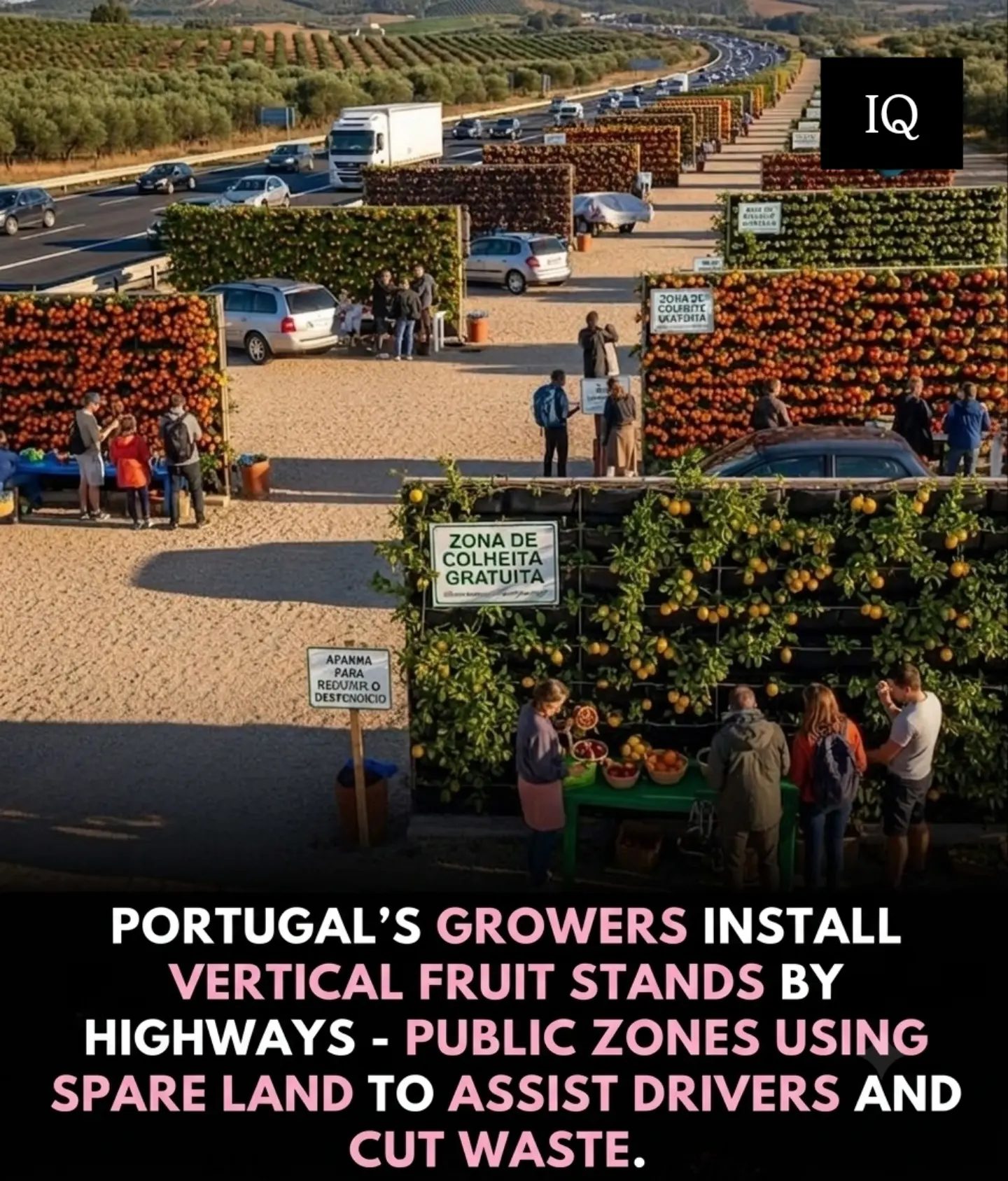
Vertical Fruit Stands: A Sustainable Solution for Portugal
Vertical fruit stands are transforming Portugal's highways, bringing fresh produce to motorists and repurposing unused land. This innovative approach not only provides a convenient snack stop for travelers but also addresses food waste and creates a more sustainable environment.
Context / Why This Matters
In an era where sustainability is paramount, initiatives like vertical fruit stands offer a practical solution to multiple challenges. By converting highway noise barriers and barren "dead zones" into fruitful green walls, municipalities and growers are showcasing a proactive approach to public resource management. This initiative targets the reduction of food waste, a significant global issue, while simultaneously providing a valuable service to drivers.
Main Discussion
The Concept of Vertical Fruit Stands
Vertical fruit stands in Portugal are a testament to innovation in agriculture. Located along highways, these stands utilize spare land that would otherwise go unused. The idea is straightforward: if the land must exist, it should serve a productive purpose. By planting fruit trees and other edible plants on highway noise barriers, the initiative creates a dual benefit. It serves as a visual improvement to the landscape and provides a free-picking zone for travelers.
Benefits for Drivers
One of the primary advantages of vertical fruit stands is the convenience they offer to drivers. These stands provide a quick and easy access to fresh fruit, which can be a lifesaver on long road trips. Instead of relying on vending machines or fast food stops, travelers can enjoy a healthier and more natural snack option. This not only enhances the driving experience but also promotes healthier eating habits.
Environmental Impact
The environmental benefits of vertical fruit stands are substantial. By reducing food waste, these stands contribute to a more sustainable ecosystem. Fruits that might otherwise go to waste are now readily available to travelers, decreasing the environmental impact of discarded produce. Additionally, the greenery along highways helps to improve air quality and mitigate the noise pollution from the road.
Economic and Social Impact
The vertical fruit stands also have positive economic and social implications. Local growers benefit from the opportunity to sell their produce directly to travelers, reducing the need for middlemen and increasing their profit margins. This initiative also fosters a sense of community, as travelers can interact with local farmers, learning about the agriculture and culture of the region.
Public Perception and Trust
While the concept is innovative, there are questions about public perception. Some wonder whether travelers would trust fruits picked from the side of the highway. However, this can be addressed through proper maintenance and labeling. Clear signage and regular inspections can ensure that the fruit is safe for consumption, building trust among travelers.
Practical Tips
For Drivers
If you come across a vertical fruit stand, here are some practical tips to ensure a positive experience:
- Inspect the Fruit: Before picking, inspect the fruit for any signs of spoilage or damage.
- Choose Wisely: Opt for fruits that are ripe and look fresh.
- Wash Immediately: If possible, wash the fruit immediately after picking to remove any dirt or residue.
- Stay Safe: While picking, be mindful of traffic and wear bright-colored clothing to ensure visibility.
For Growers
For growers interested in setting up vertical fruit stands, consider the following:
- Location and Accessibility: Ensure that the stands are easily accessible to drivers but not in the direct line of traffic.
- Variety and Selection: Plant a variety of fruits to cater to different tastes and preferences.
- Maintenance and Cleanliness: Regularly maintain the stands, ensuring that the fruit is clean and safe for consumption.
- Signage and Information: Include clear signage about the types of fruit available and any instructions for travelers.
Important Takeaways
Vertical fruit stands in Portugal are a model of sustainable agriculture and public resource management. They offer a convenient and healthy snack option for drivers, reduce food waste, and transform unused land into a productive asset. While there are questions about public trust, proper maintenance and signage can address these concerns. Overall, this initiative highlights the potential of innovative solutions to address multiple challenges simultaneously.
Conclusion
The vertical fruit stands in Portugal are a testament to creative thinking and sustainability. By converting unused land along highways into productive green spaces, this initiative offers a simple yet effective solution to several pressing issues. Whether you're a traveler looking for a fresh snack or a grower seeking a new market, these fruit stands provide a unique and valuable service. As the world continues to grapple with environmental challenges, initiatives like these remind us that even small changes can have a significant impact.
Watch the Reel
Questions readers ask
What are Portugal's vertical fruit stands and where are they located?
Vertical fruit stands in Portugal are innovative structures that grow fresh produce on vertical surfaces, typically along highways. They are often integrated into existing infrastructure, such as noise barriers, and can be found along major roads and in other underutilized spaces.
How do vertical fruit stands help reduce food waste?
Vertical fruit stands help reduce food waste by providing a platform for growers to sell excess produce directly to consumers. Additionally, the stands are designed to grow fruit year-round, providing a consistent supply and reducing the likelihood of surplus produce going to waste.
What kinds of fruits can be found at these roadside stands?
The variety of fruits available at these stands can differ based on the specific region and climate. However, common fruits include berries, grapes, and other small fruits that are well-suited for vertical growing systems. Local growers often choose fruits that thrive in Portugal's climate and are popular among travelers.
Who benefits from Portugal's highway fruit stands?
Multiple groups benefit from these stands. Drivers and commuters gain easy access to fresh, healthy snacks, which can improve their travel experience. Local farmers benefit from having an additional sales channel and reduced waste. The environment also benefits from the greening of landscapes and the repurposing of unused land.
How can other countries implement similar initiatives?
Other countries can learn from Portugal's approach by identifying underutilized spaces, such as highway barriers, and partnering with local growers to install vertical farming systems. Success depends on strong community engagement and support from local authorities. Additionally, infrastructure like irrigation and access paths must be considered for ease of maintenance and harvest.
What environmental benefits do these vertical gardens offer?
Vertical fruit stands contribute to a more sustainable environment by reducing food waste, conserving water (as vertical farming systems often use less water than traditional farming), and creating green spaces in urban and highway areas. These gardens also improve air quality and create habitats for local wildlife.
Related deep dives
Similar reads based on topic and creator.




Recent articles
Fresh deep dives from the latest Reels we unpacked.




Comments
Be the first to comment.